How to Find the Best Self Storage Deals Near You in 2026 |
| HOW TO FIND THE BEST SELF STORAGE DEALS NEAR YOU IN 2026
⏱ 8 min read ·
📄 #1,488 words
Find self storage deals near you in 2026 with proven strategies: compare 5+ facilities, negotiate rates, time your rental, and right-size your unit.
|
T he best self storage deals in 2026 come from comparing at least five facilities, negotiating directly with managers, timing your rental during off-peak seasons, and selecting only the unit size you actually need. Following these four strategies can reduce your monthly costs by 20 to 50 percent without sacrificing security or convenience.

| Key Points: | |
|---|---|
| • | National average for a 10x10 standard unit: $133 to $136 per month in 2026 |
| • | Climate-controlled storage adds 20 to 40 percent to base rates |
| • | Comparing five or more facilities can save you 20 to 50 percent |
| • | Prepaying 6 to 12 months often unlocks 5 to 15 percent discounts |
| • | Mid-month and off-season rentals typically offer better availability and pricing |
2026 Self Storage Pricing: What to Expect
Understanding baseline costs helps you recognize a genuine deal. According to industry pricing data for 2026, self storage costs range from $35 to $300 per month depending on unit size, location, and features. The national average for a standard 10x10 unit sits between $133 and $136 monthly.
Climate-controlled units cost 20 to 40 percent more than standard units of the same size. Large units in high-demand areas can reach $485 or more per month. In mountain resort towns like Crested Butte and Gunnison, Colorado, seasonal tourism and limited inventory can affect pricing, making local comparison essential.
Strategy 1: Compare at Least Five Facilities
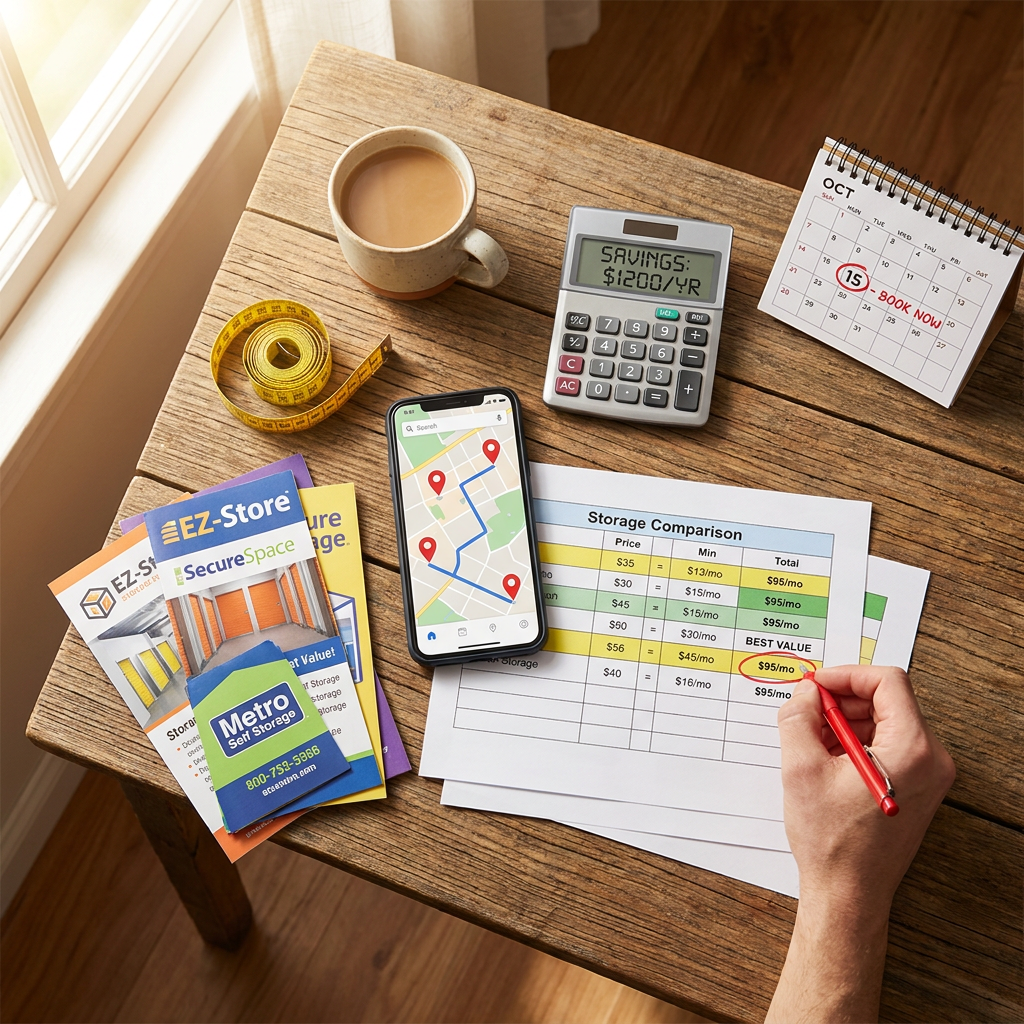
Price differences between facilities in the same area can vary by $50 to $100 per month for identical unit sizes. A systematic comparison approach reveals these gaps and positions you to negotiate effectively.
What to Compare
Look beyond the monthly rate when evaluating facilities. Security features like electronic gate access, video surveillance, and fenced perimeters protect your belongings. Access hours matter if you need early morning or late night visits. Lease flexibility (month-to-month versus fixed term) affects your total commitment.
Watch for mandatory fees that inflate the advertised price. Administration fees, lock requirements, and required insurance can add $10 to $30 monthly. Ask about these costs upfront before signing any agreement.
| Feature | Why It Matters | Cost Impact |
|---|---|---|
| Climate Control | Protects temperature-sensitive items | +20 to 40% |
| 24-Hour Access | Flexibility for irregular schedules | Often included or +$5 to $15 |
| Drive-Up Access | Easier loading of heavy items | Similar to interior units |
| Required Insurance | Mandatory at some facilities | +$10 to $30/month |
Strategy 2: Time Your Rental Strategically
Demand fluctuates throughout the year, creating windows of opportunity for better deals. According to MoveBuddha's storage guide, timing your rental during off-peak periods often results in lower rates and more unit availability.
Major moving months (May through September) see the highest demand. Mid-month move-ins avoid the rush that occurs at the end and beginning of each month. In mountain communities like the Gunnison Valley, demand peaks around university semesters and ski season, so renting just before or after these periods often yields better options.
Strategy 3: Negotiate and Ask for Price Matching
Facilities with vacancies have incentive to negotiate. Armed with quotes from competing facilities, you can often secure a rate reduction of 5 to 15 percent simply by asking.
How to Negotiate Effectively
Gather written quotes from three to five nearby facilities before calling your preferred location. Reference specific competitor rates: "I found a 10x10 for $99 per month at another facility. Can you match or beat that?" Indicate you are ready to rent immediately if they can meet your price.
Many facilities also offer unpublished promotions. Ask directly about first-month-free specials, percentage discounts for new customers, or bundle pricing if you need both a storage unit and vehicle parking. Common storage questions about promotions and pricing are often answered on facility websites, but calling gives you access to current, unadvertised deals.
Strategy 4: Right-Size Your Unit
The cheapest storage unit is one that fits your belongings without excess space. Renting a 10x10 when a 5x10 would suffice costs you an extra $50 to $100 monthly for space you do not use.
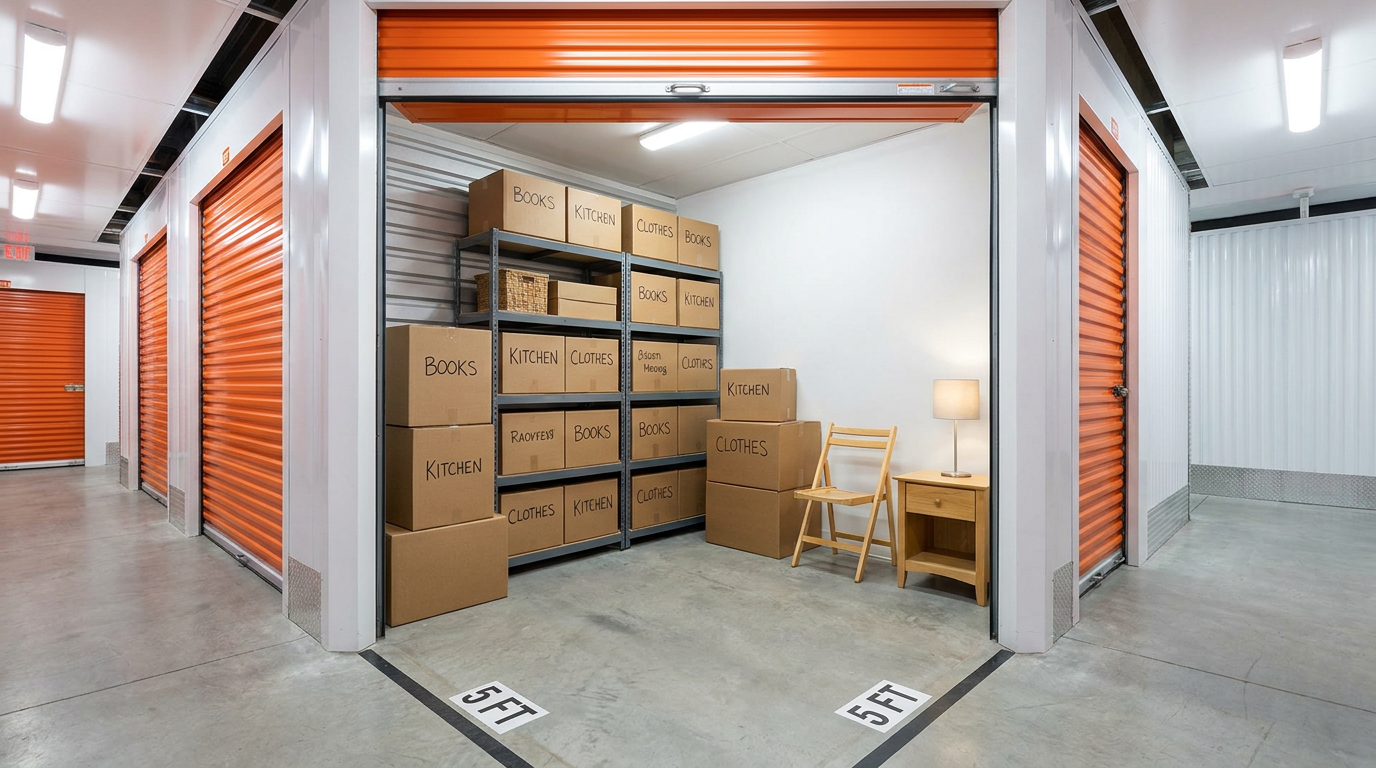
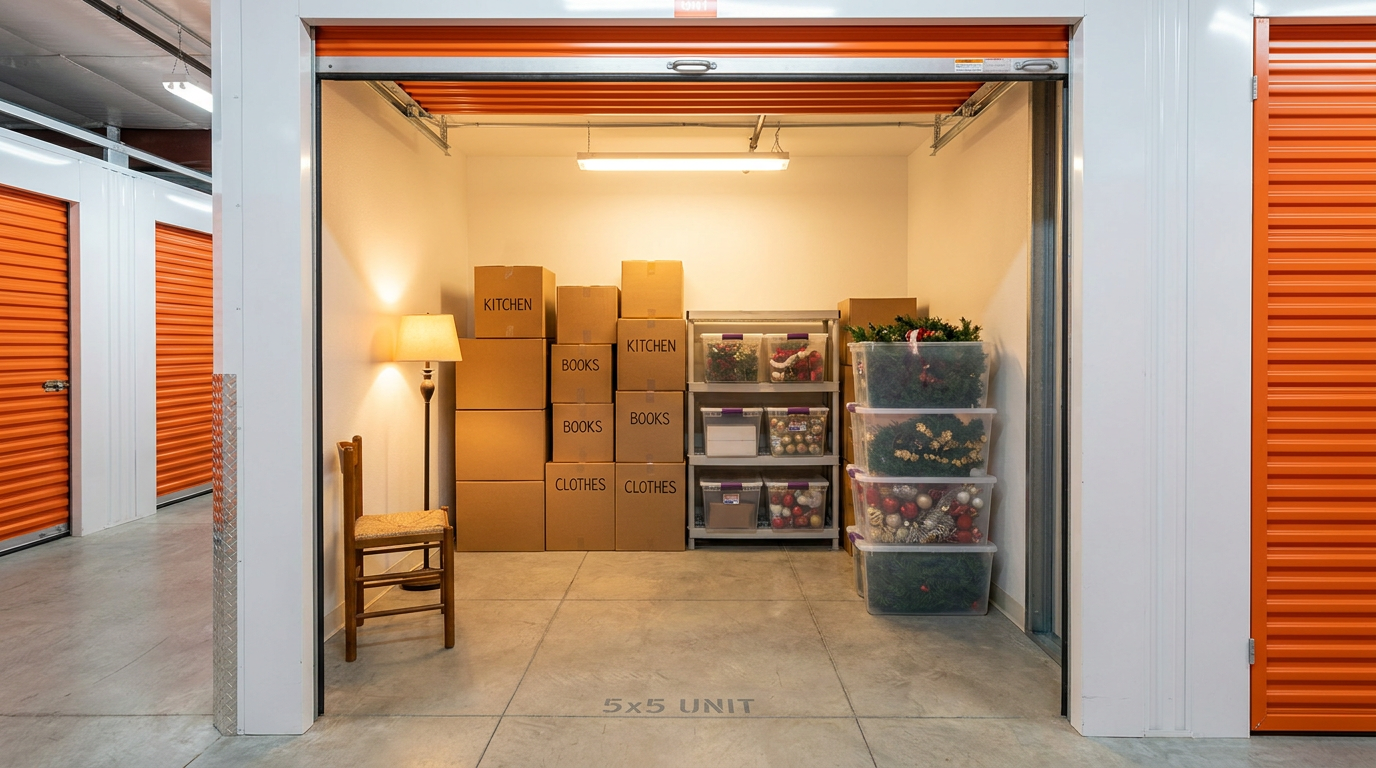
Measure your belongings before visiting facilities. A storage unit size guide helps match your inventory to the appropriate unit. A 5x5 unit (25 square feet) holds contents comparable to a large closet. A 10x10 unit (100 square feet) accommodates furniture from a one-bedroom apartment. A 10x20 unit (200 square feet) fits contents from a three to four bedroom home.
Space-Saving Tips
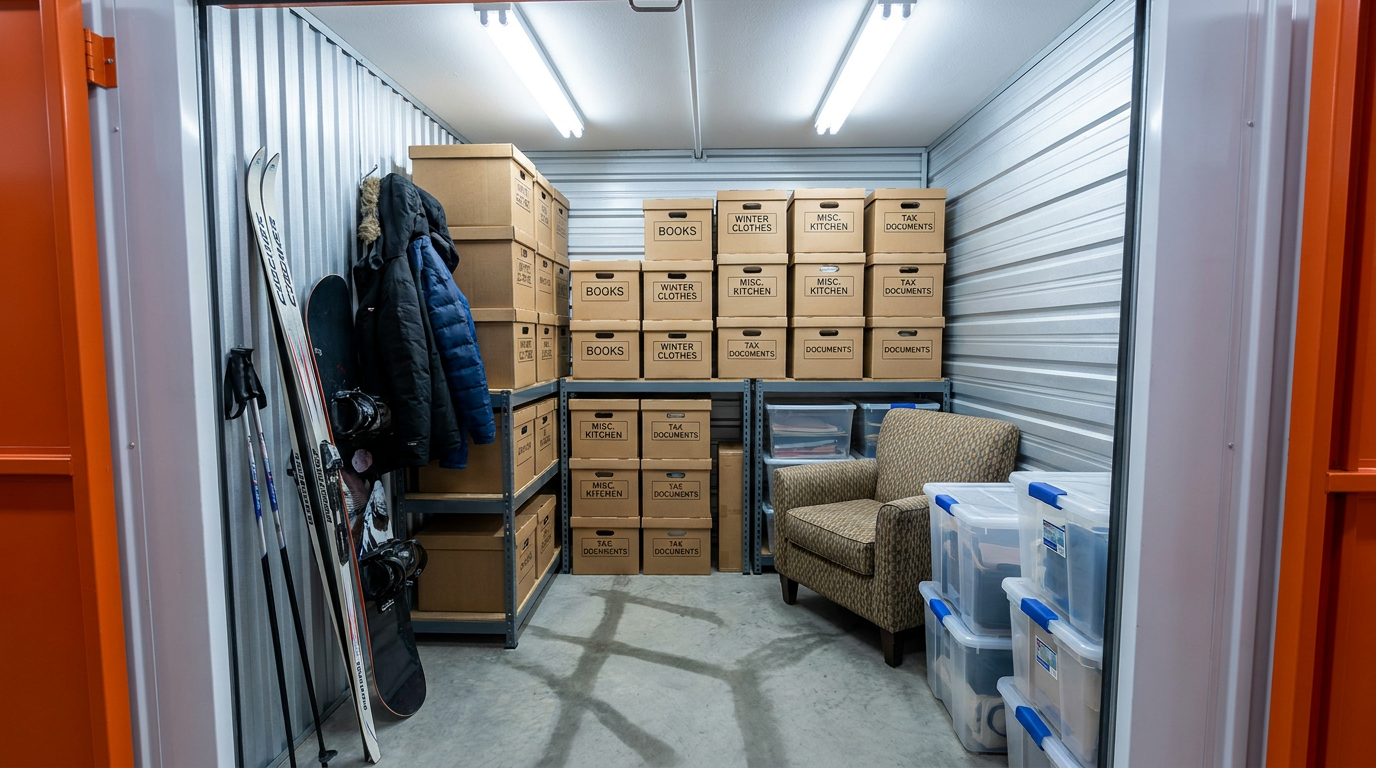
Stack items vertically and use shelving inside your unit to maximize cubic footage. Disassemble large furniture when possible. Consider sharing a larger unit with a friend or roommate to split costs. These tactics can allow you to rent a smaller, less expensive unit while storing the same amount of belongings.
When Climate Control Is Worth the Extra Cost
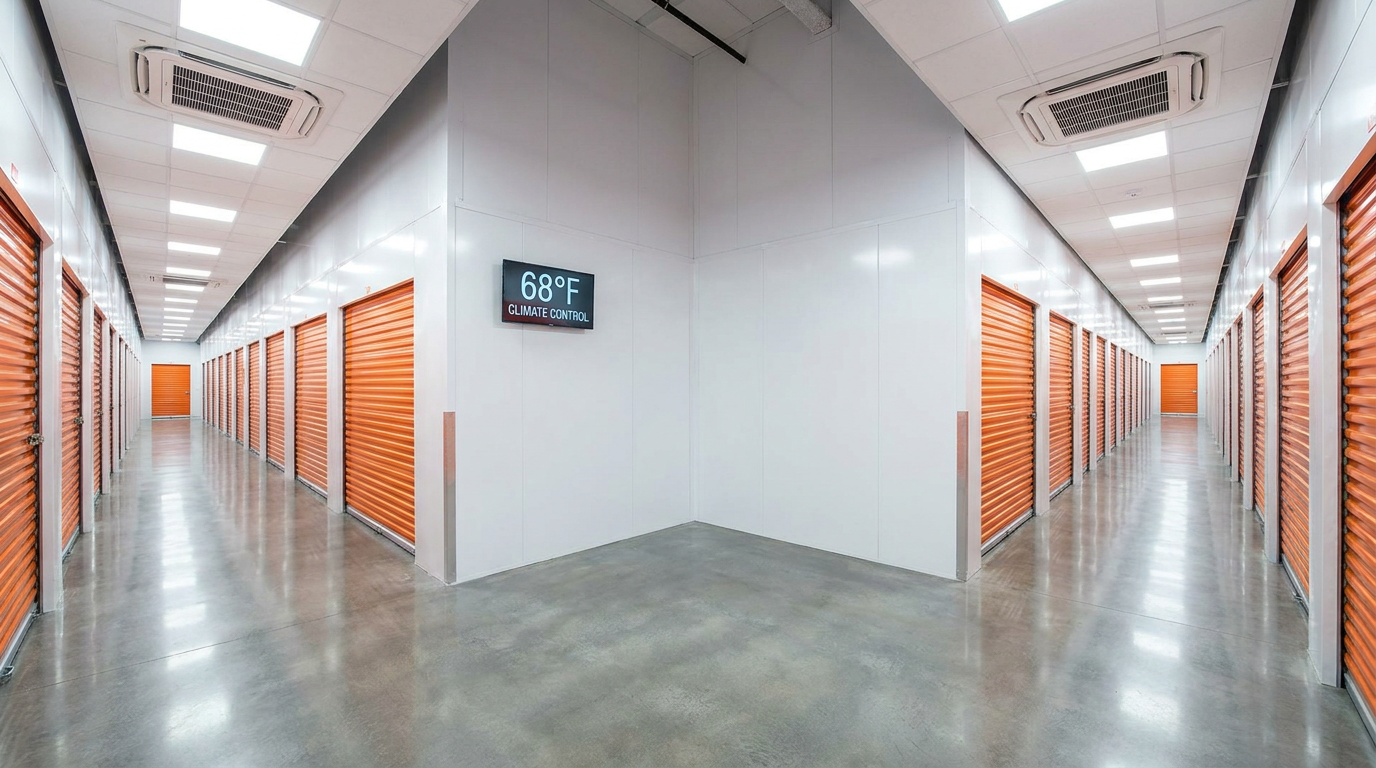
Climate-controlled units maintain temperatures between 55 and 80 degrees Fahrenheit, protecting sensitive items from extreme heat, cold, and humidity. This matters significantly in Colorado, where winter temperatures regularly drop below freezing and summer heat can damage certain materials.
Climate control is worth the 20 to 40 percent premium for wooden furniture, musical instruments, electronics, paper documents, photographs, and performance fabrics like ski gear. For items that tolerate temperature swings (outdoor equipment, tools, holiday decorations), standard units work well and cost less. Facilities like Slate River Storage in Crested Butte offer heated units specifically designed for harsh mountain winters.
Prepayment and Long-Term Discounts
According to SmartStop Self Storage research, some facilities offer 5 to 15 percent discounts when you prepay six or twelve months. This approach locks in current rates (helpful if seasonal prices rise) and reduces your effective monthly cost.
Ask these specific questions when inquiring about long-term rates: "Do you offer a discount for prepaying six or twelve months?" and "Is there a lower rate if I commit to a minimum stay?" For RV, boat, or vehicle storage that spans multiple seasons, prepayment discounts can save $100 or more annually.
Security Features That Protect Your Investment
A low price loses value if your belongings are at risk. Essential security features include electronic gate access with individual codes, video surveillance with recorded footage, well-lit property and interior corridors, and fenced perimeters. For vehicle and RV storage, look for secured lots with dedicated monitoring.
Locally owned facilities often provide personalized attention that large national chains cannot match. A community-rooted storage operator typically knows their tenants, monitors their properties closely, and responds quickly to concerns.
Alternative Storage Options to Consider
Traditional self storage is not the only option. Portable storage containers delivered to your driveway work well for short-term needs if you have space at home. Online storage marketplaces connect you with homeowners or businesses renting spare space at reduced rates.
For items you plan to sell eventually, consignment shops provide temporary storage while marketing your belongings. These alternatives may not replace a secure, 24/7-access facility for long-term storage, but they can reduce costs for specific situations.
Finding Deals in the Gunnison Valley and Crested Butte
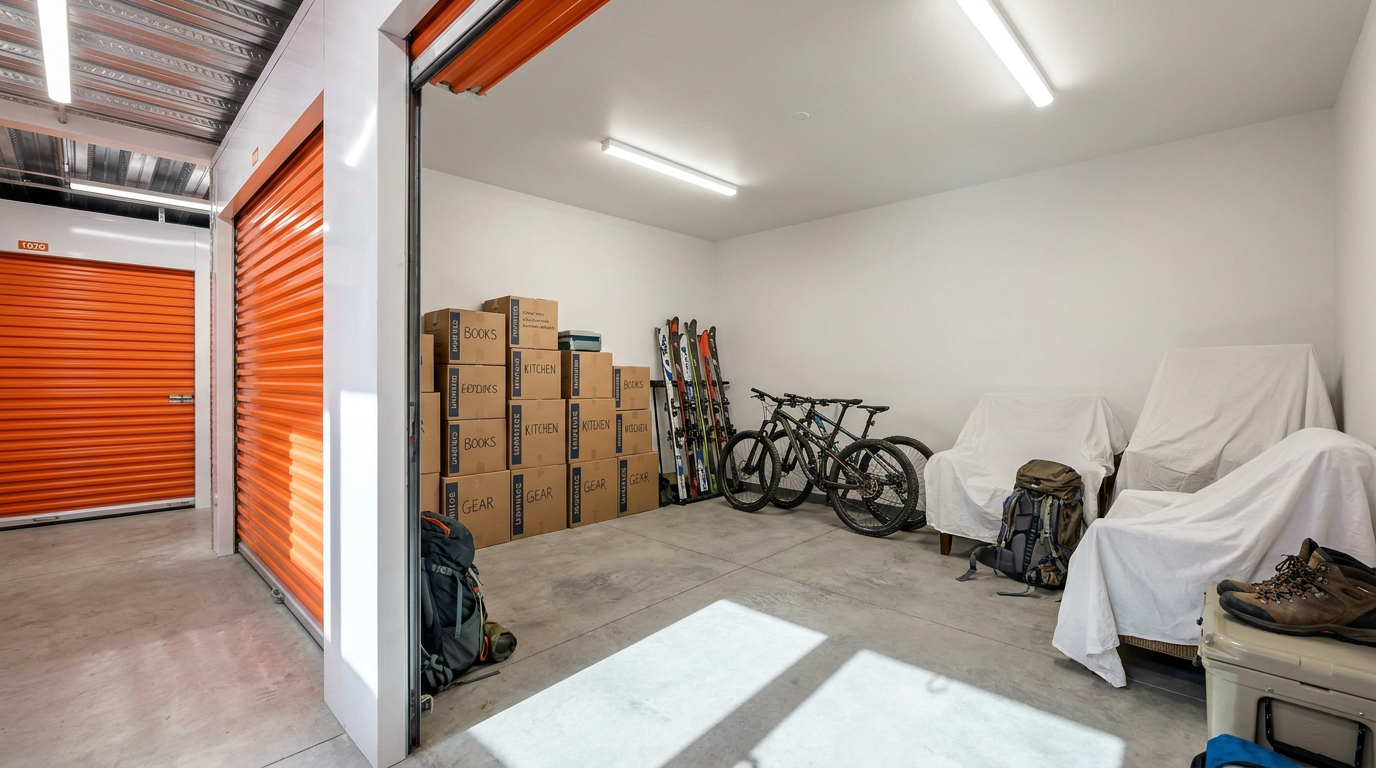
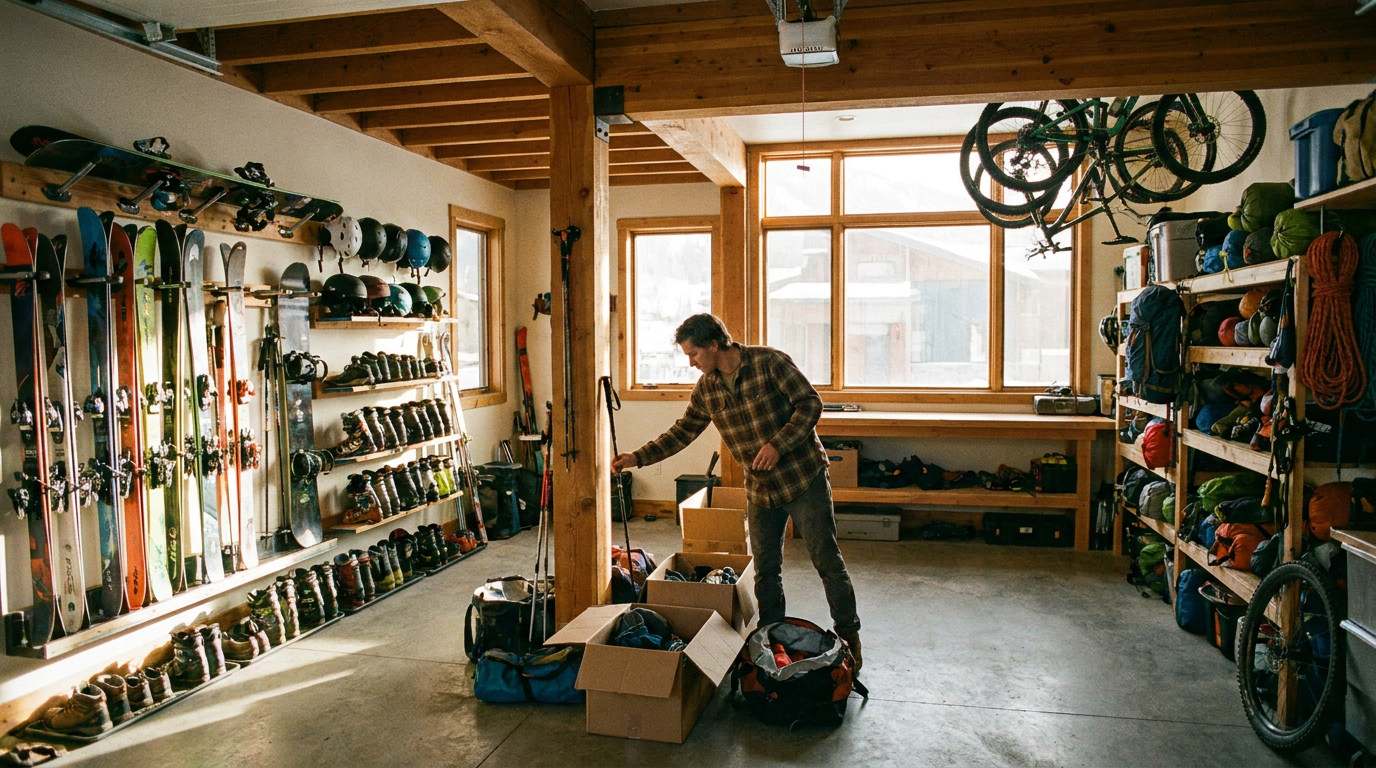
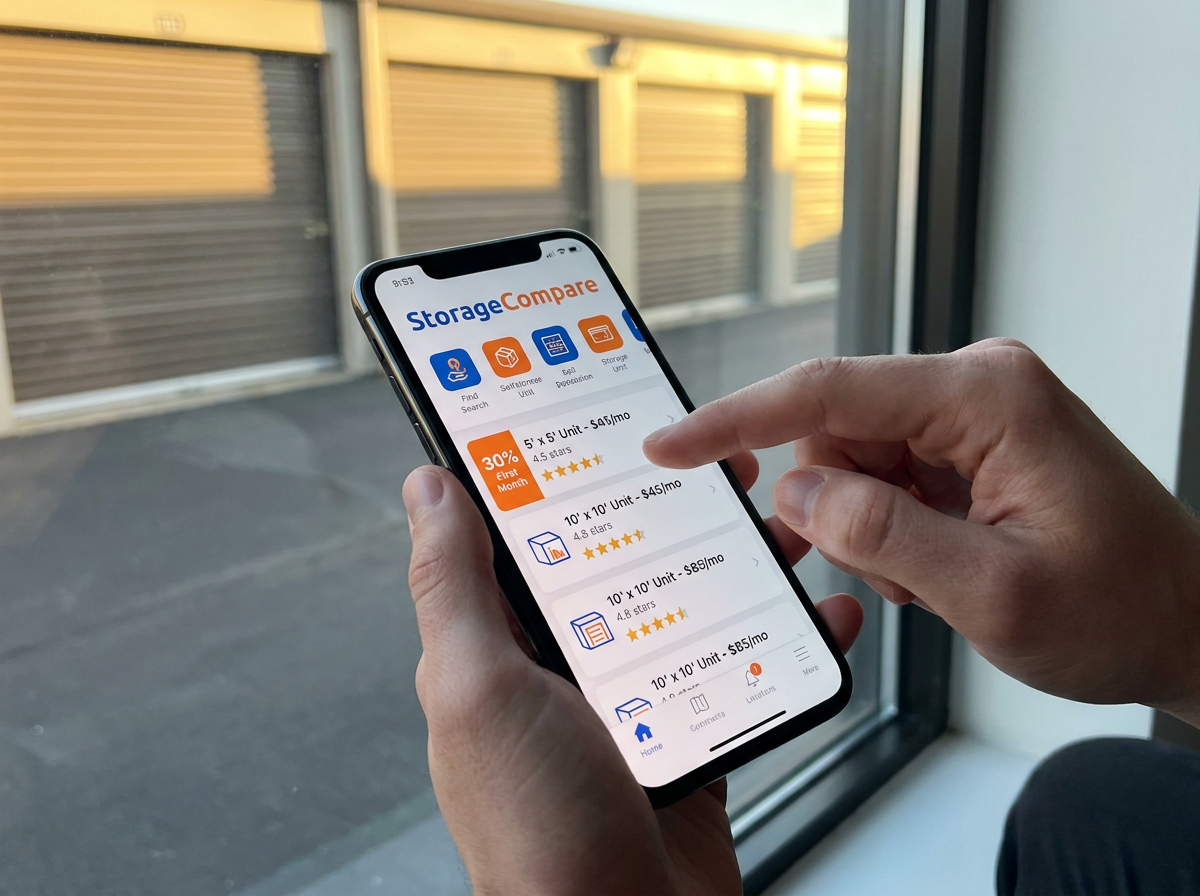
Mountain resort communities present unique storage challenges. Limited inventory, seasonal demand spikes, and distance between towns affect both availability and pricing. In the Gunnison Valley, facilities in Crested Butte eliminate the 30-minute drive to Gunnison for residents who need convenient access to ski gear, bikes, or seasonal equipment.
Western Colorado University students benefit from facilities near campus that offer month-to-month flexibility aligned with academic schedules. Second-home owners storing furniture and belongings between visits need reliable, secure options with 24-hour access. Browse all available storage locations to compare options across the valley.
Frequently Asked Questions
How much does a 10x10 storage unit cost in 2026?
The national average for a standard 10x10 unit is $133 to $136 per month. Climate-controlled 10x10 units typically cost $160 to $190 monthly. Prices vary by location, with urban areas and resort towns often higher than rural markets.
Can I negotiate the price of a self storage unit?
Yes. Facilities with vacancies often match competitor prices or extend promotional rates to fill units. Gather quotes from three to five facilities and reference specific competitor pricing when negotiating.
What is the cheapest way to store belongings for a few months?
Right-size your unit to avoid paying for unused space. Time your rental during off-peak seasons. Ask about first-month-free promotions. Consider sharing a larger unit with someone to split costs.
Is climate-controlled storage worth the extra cost?
Climate control is worth the 20 to 40 percent premium for temperature-sensitive items: wooden furniture, electronics, documents, photographs, and musical instruments. Standard units work fine for tools, outdoor equipment, and holiday decorations.
What fees should I expect when renting a storage unit?
Beyond monthly rent, watch for administration fees ($10 to $25 one-time), required insurance or tenant protection plans($10 to $30 monthly), and lock requirements ($10 to $20). Ask about all fees before signing.
|