Storage During Home Renovation: Size, Duration, and Cost Guide |
| STORAGE DURING HOME RENOVATION: SIZE NEEDS, DURATION, AND COST PLANNING
⏱ 18 min read ·
📄 #3,417 words
Plan your renovation storage with confidence. Learn exact unit sizes for your project, typical rental durations, and monthly costs from $95 to $425 in Colorado.
|
A typical home renovation requires a 10x10 storage unit (100 square feet) for 3 to 6 months, costing between $150 and $350 per month depending on location and features. Kitchen remodels need smaller 5x10 units for 6 to 12 weeks, while whole-house renovations demand 10x20 spaces for 4 to 8 months.
| Key Points: | |
|---|---|
| • | Kitchen and bathroom remodels typically need 5x10 units ($95 to $175/month) for 6 to 12 weeks |
| • | Whole-room renovations require 10x10 units ($215 to $337/month) for 2 to 4 months |
| • | Full-house projects demand 10x20 units ($365 to $425/month) for 4 to 8 months |
| • | Climate-controlled storage adds 25% to 40% to base costs but protects furniture from temperature damage |
| • | Month-to-month leases provide flexibility when renovation timelines shift unexpectedly |
Why Renovation Projects Require Temporary Storage
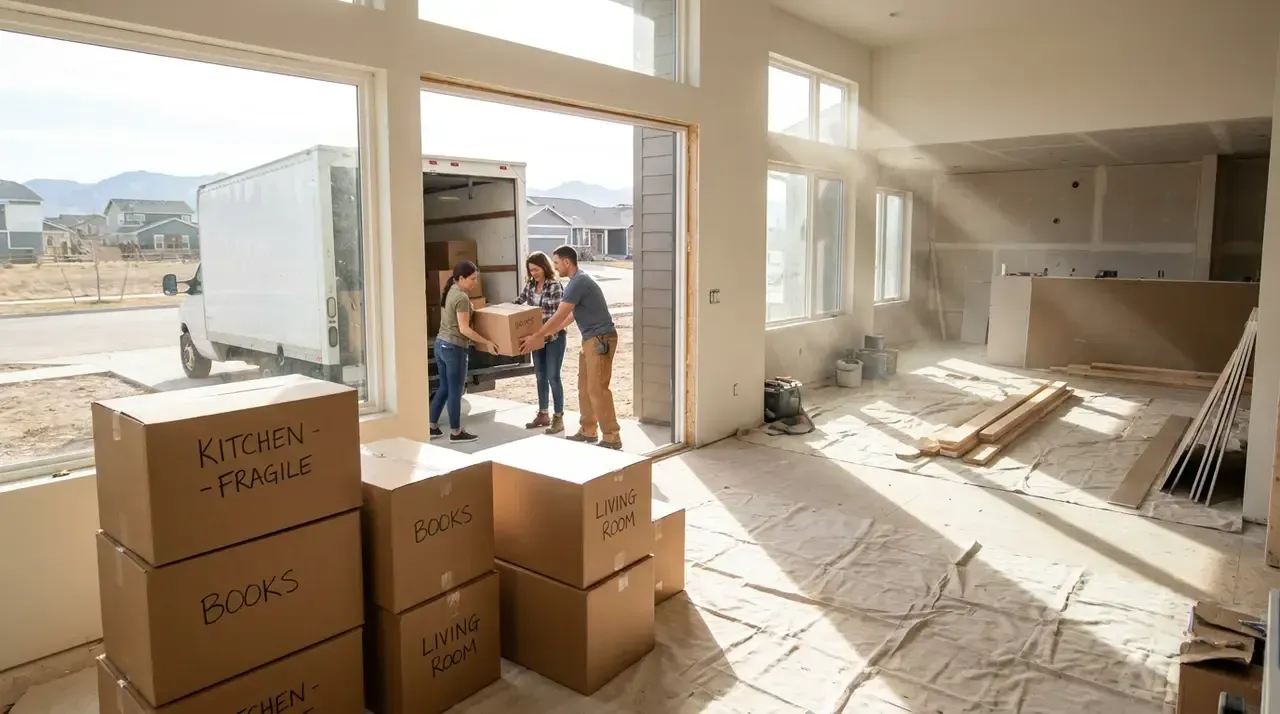
According to the National Association of Home Builders, contractors complete projects 30% to 40% faster when rooms are completely cleared. Empty spaces allow workers to move freely, protect your belongings from construction dust and debris, and reduce the risk of accidental damage to furniture and valuables.
Construction dust penetrates sealed containers and settles into fabric fibers within 48 hours of exposure. Drywall dust, sawdust, and paint particles create permanent damage to electronics, upholstery, and wood finishes. Moving items offsite eliminates this risk entirely.
Insurance claims for renovation-related damage average $2,500 to $7,500 according to industry data. The cost of 3 months of storage (typically $300 to $900 total) represents significant savings compared to replacing damaged furniture or electronics.
Calculating Your Storage Unit Size Requirements
Storage unit sizing depends on three factors: the number of rooms being renovated, the furniture density in those rooms, and whether you need to store appliances. The storage unit size guide provides detailed calculations, but the table below offers quick estimates for common renovation scenarios.
| Renovation Type | Recommended Size | Square Feet | Monthly Cost Range |
|---|---|---|---|
| Single bathroom | 4x5 or 5x5 | 20 to 25 sq ft | $95 to $115 |
| Kitchen remodel | 5x10 or 6x10 | 50 to 60 sq ft | $125 to $244 |
| Living room or bedroom | 10x10 | 100 sq ft | $215 to $337 |
| Multiple rooms | 10x15 or 10x20 | 150 to 200 sq ft | $335 to $425 |
| Whole-house renovation | 10x20 or larger | 200+ sq ft | $385 to $693 |
Small Unit Sizing: 4x5 to 5x10
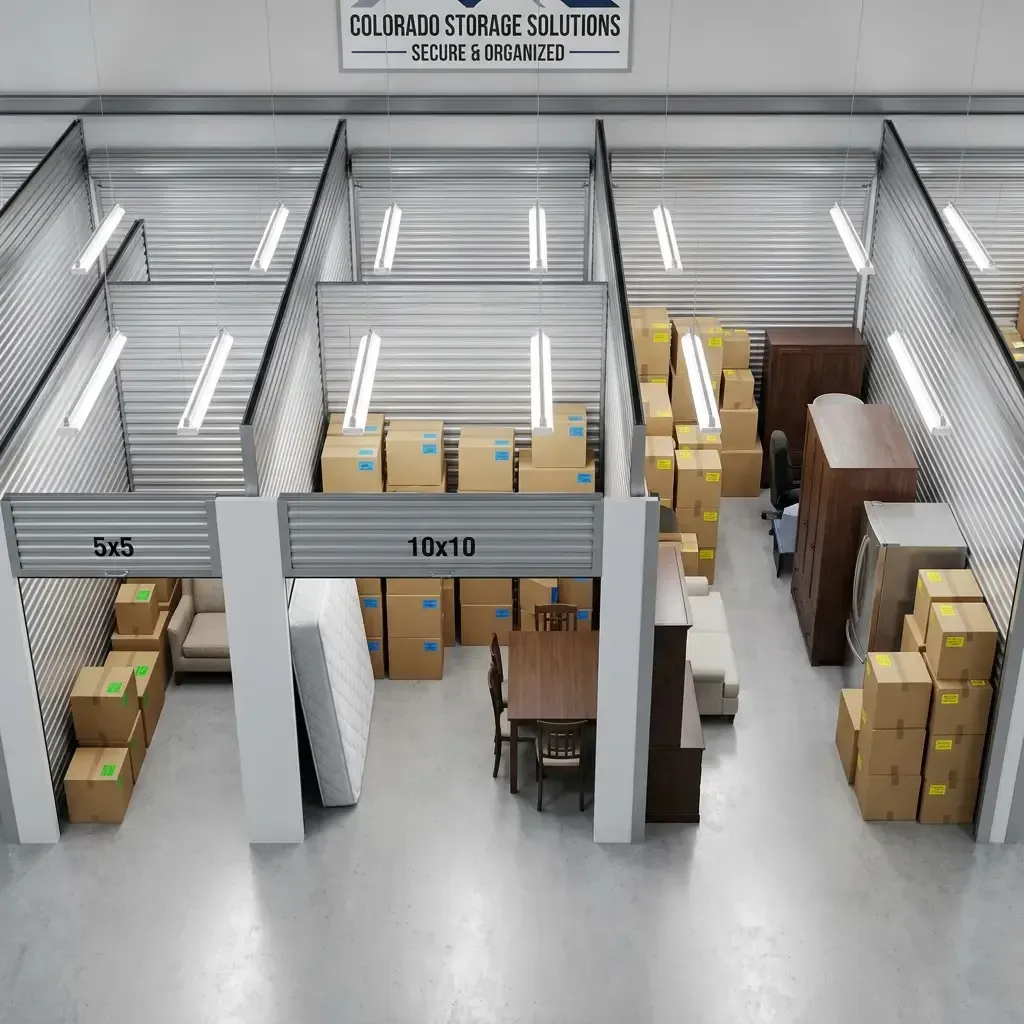
A 4x5 unit (20 square feet) holds the contents of a large closet: 10 to 15 boxes, a small dresser, and miscellaneous items. This size works for bathroom renovations where you need to store toiletries, towels, medicine cabinets, and bathroom furniture temporarily.
The 5x5 unit (25 square feet) compares to a walk-in closet and accommodates contents from one small room. Expect to fit a twin mattress set, small bookshelf, 15 to 20 boxes, and several lamps or small furniture pieces.
A 5x10 unit (50 square feet) stores a full bedroom set including a queen mattress, dresser, nightstands, and 20 to 30 boxes. Kitchen remodels typically require this size to hold appliances, cookware, dishes, and pantry contents.
Medium Unit Sizing: 10x10 to 12x12
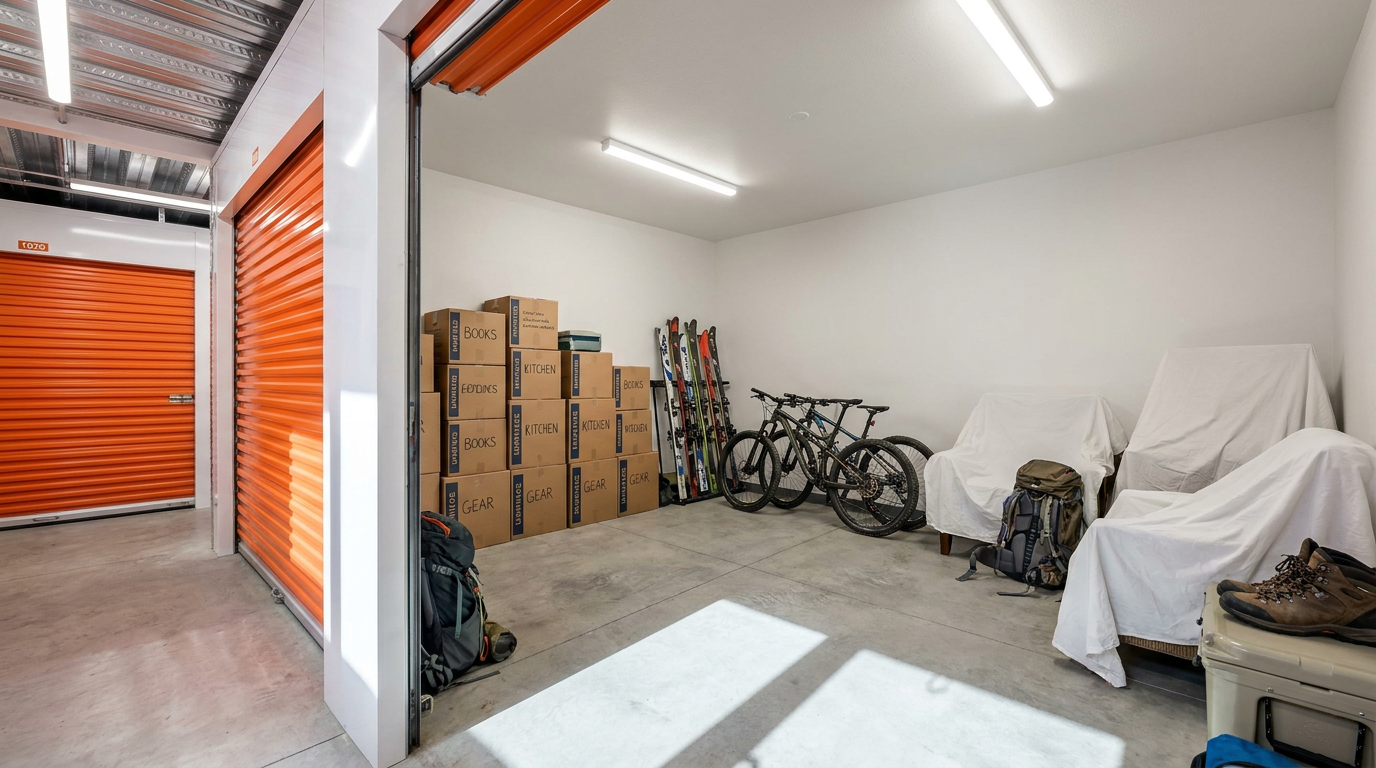
The 10x10 unit (100 square feet) equals half a standard one-car garage. This popular renovation size holds a living room set (sofa, loveseat, coffee table, entertainment center) plus 30 to 40 boxes. Most single-room renovations fit comfortably in this space.
A 12x12 unit (144 square feet) provides extra breathing room for larger furniture or awkwardly shaped items. This size accommodates contents from a master bedroom with walk-in closet, including a king bed, multiple dressers, and 40 to 50 boxes.
Large Unit Sizing: 10x20 and Above
The 10x20 unit (200 square feet) matches a standard one-car garage. Multi-room renovations, including combined kitchen and living room projects, require this capacity. Expect to fit a 3-bedroom home's furniture with room for 60 to 80 boxes.
Whole-house renovations often need multiple units or the largest available sizes. A 10x21 climate-controlled unit protects an entire home's contents, including temperature-sensitive electronics, artwork, and antique furniture.
Typical Renovation Durations and Storage Timelines
Storage rental duration should exceed your contractor's estimated timeline by 2 to 4 weeks. According to UNITS Moving and Portable Storage, 68% of renovation projects experience delays due to permit issues, material shortages, or unexpected structural problems. Planning for overruns prevents rushed move-out scenarios.
Kitchen Renovation Timeline
Standard kitchen remodels take 6 to 8 weeks for cosmetic updates (cabinet refacing, countertop replacement, new appliances) and 10 to 16 weeks for full gut renovations. Plan storage for 8 to 12 weeks minimum, adding 2 to 4 weeks buffer.
Kitchen contents require careful packing. Dishes and glassware need individual wrapping. Small appliances benefit from original boxes when available. Pantry items should be consolidated and checked for expiration dates before storage.
Bathroom Renovation Timeline
Single bathroom updates complete in 2 to 3 weeks for fixture replacements and 4 to 6 weeks for full remodels including tile work and plumbing changes. Storage needs are minimal, typically 4 to 8 weeks.
Master bathroom renovations with expanded footprints take 8 to 12 weeks. These projects often affect adjacent bedroom closets, increasing storage requirements to accommodate displaced clothing and bedroom furniture.
Living Space Renovation Timeline
Living room and bedroom renovations involving flooring, paint, and trim work complete in 2 to 4 weeks. Adding built-ins, moving walls, or electrical upgrades extends timelines to 6 to 10 weeks. Plan storage for 4 to 12 weeks depending on scope.
Basement finishing projects average 4 to 8 weeks for basic buildouts and 10 to 16 weeks for full living spaces with bathrooms. These projects often require storing existing basement contents plus furniture from rooms above during noise-intensive phases.
Whole-House Renovation Timeline
Comprehensive renovations spanning multiple rooms take 3 to 6 months for moderate updates and 6 to 12 months for extensive remodels. Storage commitments of 4 to 8 months are typical, with some projects extending beyond one year.
Phased renovations allow partial occupancy but complicate storage logistics. Consider whether multiple smaller units with staggered start dates provide better flexibility than one large unit for the entire duration.
Complete Cost Breakdown for Renovation Storage
Total renovation storage costs combine monthly rental fees, one-time expenses, and optional protection plans. Understanding each component helps create accurate budgets and avoid surprise charges.
Monthly Rental Rates by Unit Type
Standard drive-up units offer the lowest monthly rates, ranging from $95 to $425 depending on size. These ground-level units with roll-up doors provide easy loading access for furniture and appliances. The North Gunnison location offers drive-up units from 5x5 ($115/month) to 10x20 ($385/month).
Interior units typically cost 5% to 15% less than drive-up options but require navigating hallways and elevators. Second-floor interior units at facilities like the Riverland location in Crested Butte start at $95/month for 5x5 spaces.
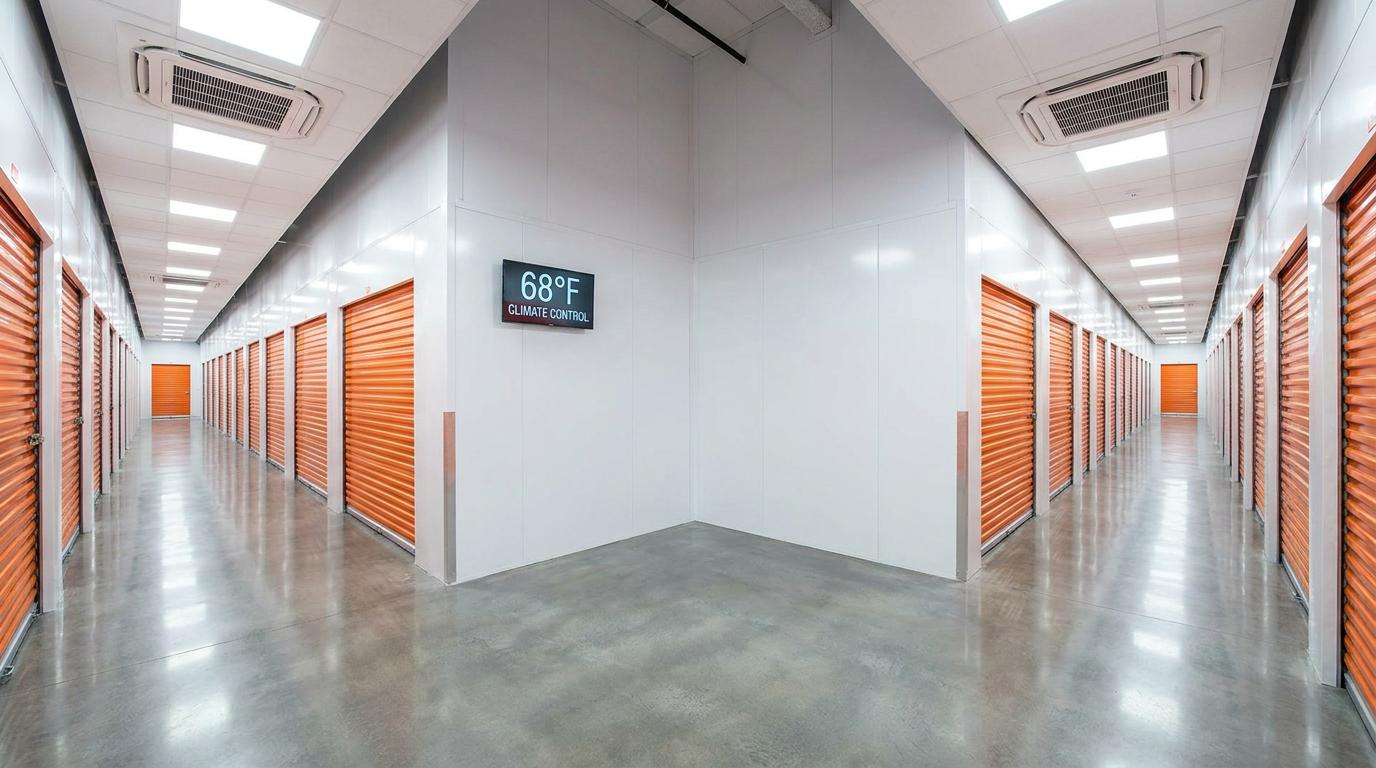
Climate-controlled units maintain temperatures between 55 and 80 degrees Fahrenheit year-round. These units cost 25% to 40% more than standard options. A 10x10 climate-controlled unit at Slate River Storage runs $337/month compared to $245/month for a standard unit of the same size.
One-Time and Setup Costs
Most facilities charge a one-time administrative fee of $15 to $35 at move-in. Some waive this fee during promotional periods or for longer-term commitments. Always ask about current specials; many facilities offer 50% off the first month for new renters.
Security deposits range from $0 to one month's rent depending on the facility. Month-to-month leases may require deposits while prepaid terms often waive this requirement. Deposits are fully refundable when the unit is returned in original condition.
Lock purchases add $10 to $25 if you do not own a suitable padlock. Disc locks and cylinder locks provide superior security compared to standard padlocks and may qualify for insurance deductible waivers.
Insurance and Protection Plans
Tenant protection plans through providers like SafeLease cover losses from burglary, fire, water damage, vandalism, and rodent damage. Coverage levels range from $2,000 to $15,000 with monthly premiums of $10 to $30. The tenant protection page details specific coverage terms and exclusions.
Your homeowner's or renter's insurance may extend coverage to stored belongings. Contact your insurance provider before purchasing additional protection. Policy limits, deductibles, and exclusions vary significantly between carriers.
High-value items including antiques, artwork, jewelry, and collectibles often require separate riders or specialized insurance. Standard tenant protection plans exclude these categories along with firearms, currency, and valuable papers.
Sample Budget Calculations
| Scenario | Unit Size | Duration | Total Cost |
|---|---|---|---|
| Bathroom remodel | 5x5 interior | 2 months | $190 to $230 |
| Kitchen remodel | 5x10 drive-up | 3 months | $375 to $525 |
| Living room renovation | 10x10 standard | 2 months | $430 to $490 |
| Multi-room project | 10x20 drive-up | 4 months | $1,540 to $1,700 |
| Whole-house renovation | 10x20 climate | 6 months | $4,158 to $4,578 |
Climate Control: When You Need It and When You Do Not
Climate-controlled storage maintains consistent temperature and humidity levels regardless of outdoor conditions. In Colorado mountain communities like Gunnison and Crested Butte, winter temperatures regularly drop below zero while summer highs exceed 80 degrees Fahrenheit. This 100-degree annual swing damages sensitive materials.
Items Requiring Climate Control
Wood furniture expands and contracts with temperature changes, causing joints to loosen and veneer to crack. Antique furniture, hardwood tables, and musical instruments including pianos and guitars require stable temperatures between 55 and 75 degrees.
Electronics suffer from condensation when moved between temperature extremes. Computers, televisions, stereo equipment, and gaming consoles need climate control for storage exceeding 30 days. Circuit boards corrode and screens develop permanent damage from moisture exposure.
Leather goods including furniture, clothing, and accessories crack and mildew in fluctuating conditions. Wine collections require precise temperature maintenance between 55 and 58 degrees. Artwork, photographs, and documents yellow and deteriorate without humidity control.
Items Safe for Standard Storage
Metal furniture, outdoor equipment, and plastic containers tolerate temperature swings without damage. Kitchen appliances (refrigerators, stoves, dishwashers) survive standard storage conditions when properly cleaned and dried before storage.
Seasonal decorations, sporting goods, and garden tools do not require climate control. Mattresses and upholstered furniture can use standard units for storage periods under 3 months in moderate climates, though climate control extends safe storage duration.
Mountain Climate Considerations
High-altitude locations experience more extreme temperature variations than lowland areas. Gunnison Valley facilities without heating see interior temperatures drop to 10 to 20 degrees Fahrenheit during January cold snaps. Summer temperatures in unventilated units can exceed 100 degrees.
All units at Slate River Storage in Crested Butte feature heating to protect belongings through harsh mountain winters. This protection proves essential for renovation storage lasting through Colorado's 5 to 6 month winter season.
Choosing Between Drive-Up and Interior Units
Unit access type significantly impacts loading efficiency and convenience during renovation projects. The right choice depends on your furniture size, visit frequency, and physical capabilities.
Drive-Up Unit Advantages
Drive-up units allow vehicle parking directly at your unit door. This configuration eliminates carrying heavy items through hallways and reduces loading time by 40% to 60% compared to interior units. Furniture, appliances, and large boxes transfer directly from truck to unit.
Ground-level access benefits renters with mobility limitations or those moving heavy items without professional help. Roll-up doors measuring 8 to 10 feet wide accommodate oversized furniture including sectional sofas and king mattresses without disassembly.
Frequent access during renovation projects favors drive-up units. Retrieving specific items takes minutes rather than navigating interior corridors. The Airport location in Gunnison features wide drive aisles for easy maneuvering of trucks and trailers.
Interior Unit Advantages
Interior units provide additional protection from weather and temperature extremes. Hallway placement shields belongings from direct sunlight, wind-driven rain, and dust infiltration through door seals.
Security benefits include multiple access barriers: facility perimeter, building entry, and individual unit locks. Interior units experience less exposure to opportunistic theft compared to exterior-facing drive-up options.
Cost savings of 5% to 15% make interior units attractive for budget-conscious renovation projects. Second-floor units often offer the lowest rates while providing secure, weather-protected storage.
Step-by-Step Renovation Storage Planning
Successful renovation storage requires coordination between your contractor's timeline and storage logistics. Follow this sequence to ensure smooth transitions.
Phase 1: Pre-Renovation Assessment (4 to 6 Weeks Before)
Create a detailed inventory of items requiring storage. Walk through each room affected by renovation and photograph furniture, electronics, and valuables. This documentation supports insurance claims if damage occurs and helps estimate unit size requirements.
Obtain firm timelines from your contractor including start date, major milestones, and expected completion. Add 25% to 30% buffer time when calculating storage duration. Request written schedules specifying when each room must be cleared.
Research storage facilities and reserve your unit 2 to 3 weeks before move-in. Popular sizes (10x10, 10x20) fill quickly during peak renovation seasons (spring and fall). Early reservation locks in current pricing and guarantees availability.
Phase 2: Packing and Organization (1 to 2 Weeks Before)
Gather packing supplies including boxes, tape, bubble wrap, furniture covers, and markers. Standard renovation storage requires 20 to 40 boxes per room plus specialty containers for fragile items. Moving supply stores and storage facilities sell materials.
Label boxes on multiple sides with room destination and contents summary. Create a master inventory list with box numbers for easy retrieval. Pack items you will need during renovation (linens, kitchen essentials, clothing) in clearly marked, easily accessible boxes.
Disassemble large furniture to maximize storage space. Remove table legs, bed frames, and shelving units. Keep hardware in labeled bags taped to corresponding furniture pieces. Wrap furniture in moving blankets or plastic to prevent scratches.
Phase 3: Loading and Organization (Move-In Day)
Load heaviest items first, placing them against back and side walls. Dressers, appliances, and furniture bases create stable foundations. Stack lighter boxes on top, keeping frequently needed items near the front.
Create a center aisle for access to all areas of the unit. This pathway allows retrieval of specific items without complete unloading. Leave 2 to 3 feet of clearance from walls to prevent moisture accumulation.
Place mattresses and mirrors vertically along walls to save floor space. Cover upholstered items with breathable fabric, not plastic, to prevent moisture trapping. Position fragile items at eye level where they are visible and protected.
Phase 4: During Renovation (Ongoing)
Visit your unit every 2 to 4 weeks to check for issues including pest activity, moisture, or temperature concerns. Report problems immediately to facility management. Most facilities offer 24-hour access for convenient check-ins.
Adjust your rental if project scope changes. Upsizing mid-project costs less than renting an additional unit. Downsizing as rooms complete reduces monthly expenses. Month-to-month leases provide this flexibility without penalty.
Phase 5: Move-Out and Return (Project Completion)
Coordinate move-out with contractor completion and final cleaning. Allow 2 to 3 days after renovation completion for dust to settle before returning furniture. Schedule professional cleaning if construction debris remains.
Inspect all items during unloading for storage-related damage. Document any issues with photographs before leaving the facility. File insurance claims within 30 days of discovery for tenant protection plan coverage.

Special Considerations for Mountain Community Renovations
Renovation projects in Gunnison, Crested Butte, and surrounding mountain communities face unique challenges affecting storage decisions. Seasonal factors, contractor availability, and geographic constraints require additional planning.
Seasonal Timing Impacts
Mountain construction seasons compress into May through October due to weather constraints. Contractors book 3 to 6 months in advance for summer projects. Storage reservations should align with contractor scheduling, not calendar convenience.
Winter renovations proceed but at slower pace. Material deliveries face weather delays, and exterior work halts during snow events. Budget 30% to 50% longer storage duration for November through April projects.
Ski season (December through March) creates housing pressure in resort communities. Second-home owners renovating during off-season may need storage through winter regardless of project completion to accommodate rental commitments.
Location Convenience Factors
Crested Butte residents face 30-minute drives to Gunnison for many services. Local storage options including Elk Mountain Storage in downtown Crested Butte eliminate this commute for frequent access needs during renovation projects.
Western Colorado University students and seasonal workers often combine renovation storage with other storage needs. The proximity of the North Gunnison facility to campus serves this population effectively.
Vehicle and Equipment Storage
Renovation projects sometimes require storing vehicles to clear garage space for contractor staging or material storage. Large-item storage up to 19x35 feet accommodates RVs, boats, and multiple vehicles at facilities like Elk Mountain Storage and Slate River Storage.
Outdoor parking options provide economical alternatives for vehicle storage during renovation. Fenced and monitored spaces with electronic gate access protect vehicles without the cost of enclosed units.
Frequently Asked Questions About Renovation Storage
How far in advance should I reserve a storage unit for my renovation?
Reserve your unit 2 to 3 weeks before your move-in date. Popular sizes (10x10 and 10x20) fill quickly during peak renovation seasons in spring and fall. Early reservation guarantees availability and locks in current pricing before potential rate increases.
Can I change unit sizes during my renovation if my needs change?
Most facilities allow size changes with proper notice, typically 7 to 14 days. Upsizing is usually straightforward when larger units are available. Downsizing may require physically moving items to a new unit. Ask about transfer policies and any associated fees before signing your lease.
Should I get storage insurance for renovation belongings?
Yes, protection coverage is strongly recommended. Tenant protection plans covering $5,000 to $10,000 in belongings cost $15 to $25 monthly. This coverage protects against fire, water damage, burglary, and vandalism. Check if your homeowner's policy extends to stored items before purchasing additional coverage.
What happens if my renovation takes longer than expected?
Month-to-month leases allow indefinite extension at current rates. Simply continue paying monthly rent until your project completes. Facilities typically require 7 to 14 days notice before move-out. Budget for 25% to 30% longer than contractor estimates to avoid rushed relocations.
How do I protect furniture from damage during storage?
Use furniture covers or moving blankets to prevent scratches. Disassemble large pieces to reduce stress on joints. Store mattresses vertically on their sides. Keep items 2 to 3 inches from walls for air circulation. Choose climate-controlled units for wood furniture, electronics, and upholstered items stored longer than 3 months.
Is climate-controlled storage necessary for a 2-month renovation?
For short-term storage in moderate weather, standard units suffice for most items. However, electronics, wood furniture, leather goods, and musical instruments benefit from climate control regardless of duration. In Colorado mountain communities, winter storage of any length requires heated units to prevent freeze damage.
Can I access my storage unit during the renovation to retrieve items?
Facilities offering 24-hour access allow retrieval anytime. Plan your unit layout with frequently needed items near the front and a center aisle for access. The self storage FAQ provides additional details about access hours and procedures.
Renovation Storage Checklist
Use this comprehensive checklist to ensure nothing is overlooked during your renovation storage planning:
4 to 6 Weeks Before Renovation:
- Complete room-by-room inventory with photographs
- Obtain contractor timeline with milestone dates
- Calculate storage unit size requirements
- Research and compare storage facilities
- Reserve unit 2 to 3 weeks before move-in
1 to 2 Weeks Before Move-In:
- Purchase packing supplies (boxes, tape, wrap, covers)
- Begin packing non-essential items
- Label boxes on multiple sides
- Create master inventory list
- Disassemble large furniture pieces
Move-In Day:
- Load heavy items first against back walls
- Create center aisle for access
- Stack lighter boxes on top
- Position fragile items at eye level
- Take photos of loaded unit for records
During Storage:
- Visit unit every 2 to 4 weeks
- Check for moisture, pests, or temperature issues
- Adjust unit size if project scope changes
- Maintain communication with contractor on timeline
Move-Out:
- Coordinate with contractor completion date
- Allow 2 to 3 days for post-renovation cleaning
- Inspect items during unloading
- Document any damage with photographs
- Return unit in clean condition for deposit refund
Making Your Final Storage Decision
Renovation storage success depends on accurate size estimation, realistic timeline planning, and appropriate unit selection. The investment of $200 to $2,000 over a typical renovation period protects furniture and belongings worth many times that amount while enabling faster, more efficient contractor work.
Browse all six Gunnison Valley storage facilities to compare options across Gunnison and Crested Butte. Each location offers unique advantages including drive-up access, climate control, and convenient positioning for different neighborhoods and project types.
Month-to-month flexibility eliminates the risk of overpaying for unused time or scrambling to extend when projects run long. With proper planning and the right storage partner, your renovation can proceed smoothly while your belongings remain protected and accessible throughout the process.
|