College Student Storage Checklist: What to Store vs Take Home |
| COLLEGE STUDENT STORAGE CHECKLIST: WHAT TO STORE VS WHAT TO TAKE HOME
⏱ 11 min read ·
📄 #2,185 words
Complete college storage checklist for Western Colorado University students. Know exactly what to store over summer break and what to take home to save money.
|
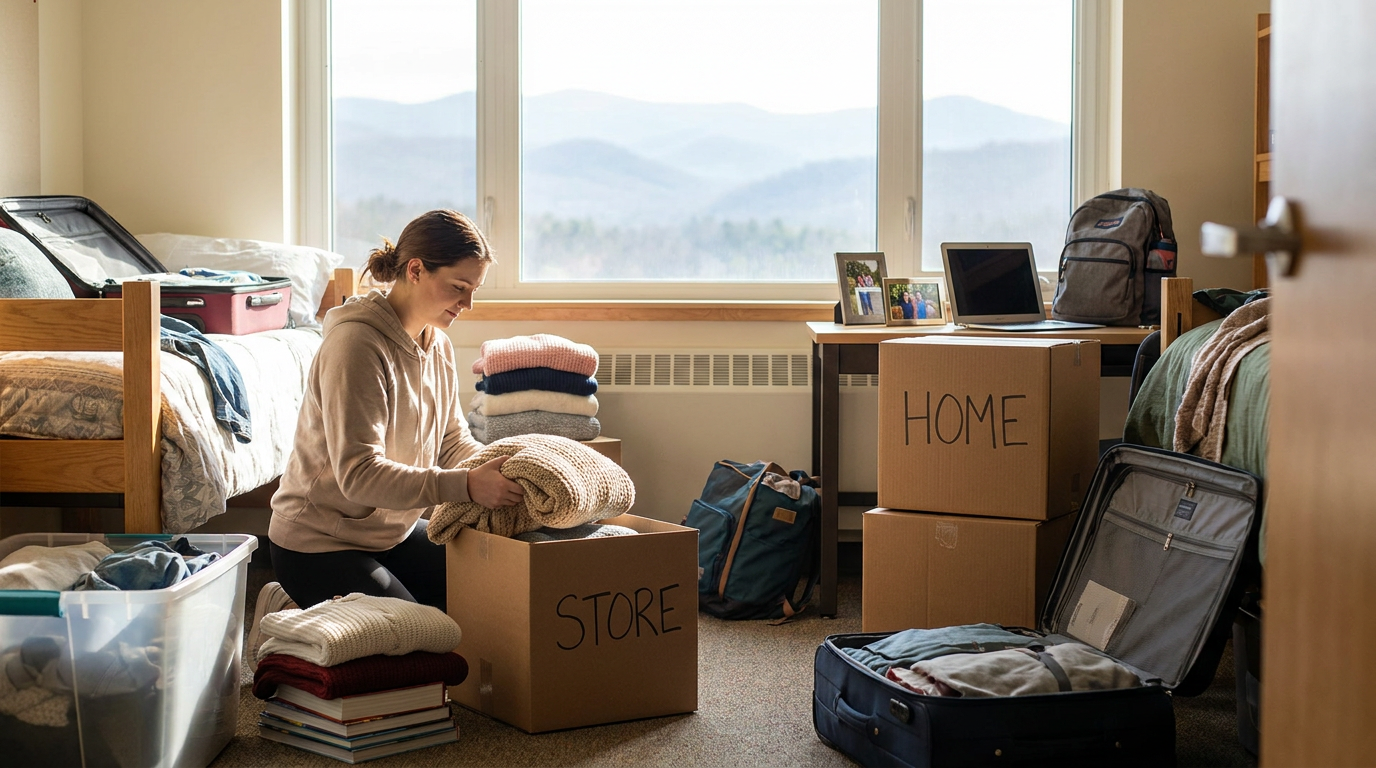
S tore bulky furniture, mini fridges, and seasonal gear in a storage unit while taking home electronics, valuables, and sentimental items. The average college student spends $200 to $400 shipping belongings home each summer, while a small storage unit costs $95 to $125 per month, making local storage the more economical choice for most students.
| Key Points: | |
|---|---|
| • | Store items over 25 pounds (furniture, appliances, textbooks) to avoid $1.50 to $3.00 per pound shipping costs |
| • | Take home electronics, important documents, medications, and items worth over $500 |
| • | A 5x5 storage unit (25 sq ft) fits most dorm room contents for $95 to $125 monthly |
| • | Climate-controlled storage protects sensitive items when summer temperatures exceed 90 degrees F |
| • | Start packing 2 to 3 weeks before move-out to secure the best storage rates |
The Complete Store vs Take Home Decision Framework
Making the right storage decisions saves Western Colorado University students an average of $350 to $600 per academic year. The key factors are weight, value, replaceability, and whether you need the item during summer break. According to the College Board's planning resources, students who plan their move-out strategy early experience significantly less stress and lower costs.
Students at mountain colleges like Western Colorado University face unique considerations. The Gunnison Valley's 7,700-foot elevation means temperature swings from negative 20 degrees F in winter to 85 degrees F in summer. Items left in non-climate-controlled spaces can suffer damage from these extremes.
Items You Should Always Store Locally
Heavy, bulky items cost the most to ship and make the strongest case for local storage. The U.S. Postal Service, UPS, and FedEx all charge dimensional weight pricing, meaning oversized items cost significantly more than their actual weight suggests.
Furniture and Large Items
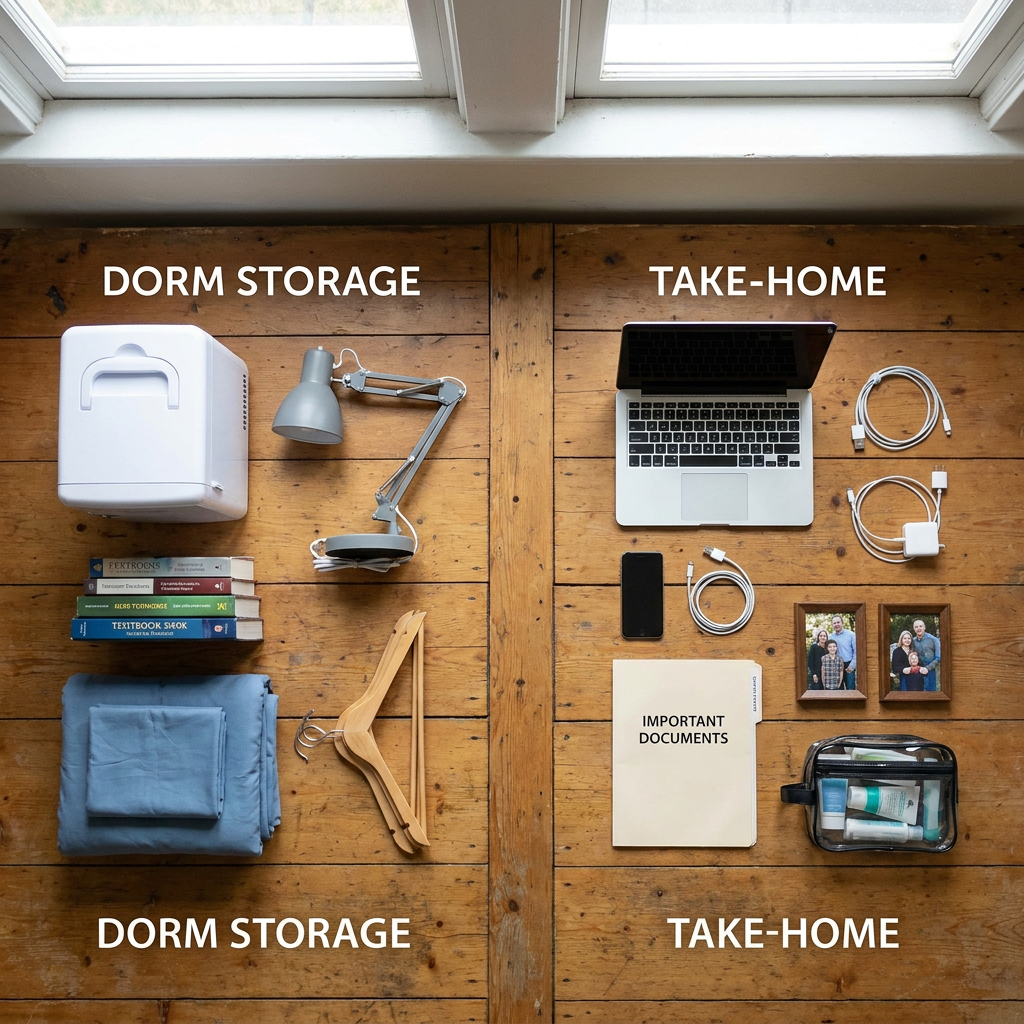
Futons, mini couches, desk chairs, and bed risers should stay in storage. A standard futon weighs 60 to 100 pounds and measures 6 to 7 feet long. Shipping this home costs $150 to $300 one way through carriers like UPS Freight or specialized services like Collegeboxes. Storing it locally for three months costs $285 to $375 total.
Other furniture to store includes bookshelves, storage cubes, floor lamps, and area rugs. These items are difficult to transport and easy to damage during shipping.
Appliances and Electronics You Can Live Without
Mini fridges, microwaves, coffee makers, and personal fans belong in storage. A mini fridge weighs 40 to 60 pounds and requires special handling to prevent compressor damage during transport. According to Compass Self Storage's student guide, refrigerators should be cleaned, defrosted, and stored with doors slightly ajar to prevent mold growth.
Printers, extra monitors, and gaming consoles you will not use over summer also make sense to store rather than ship.
Seasonal and Sports Equipment
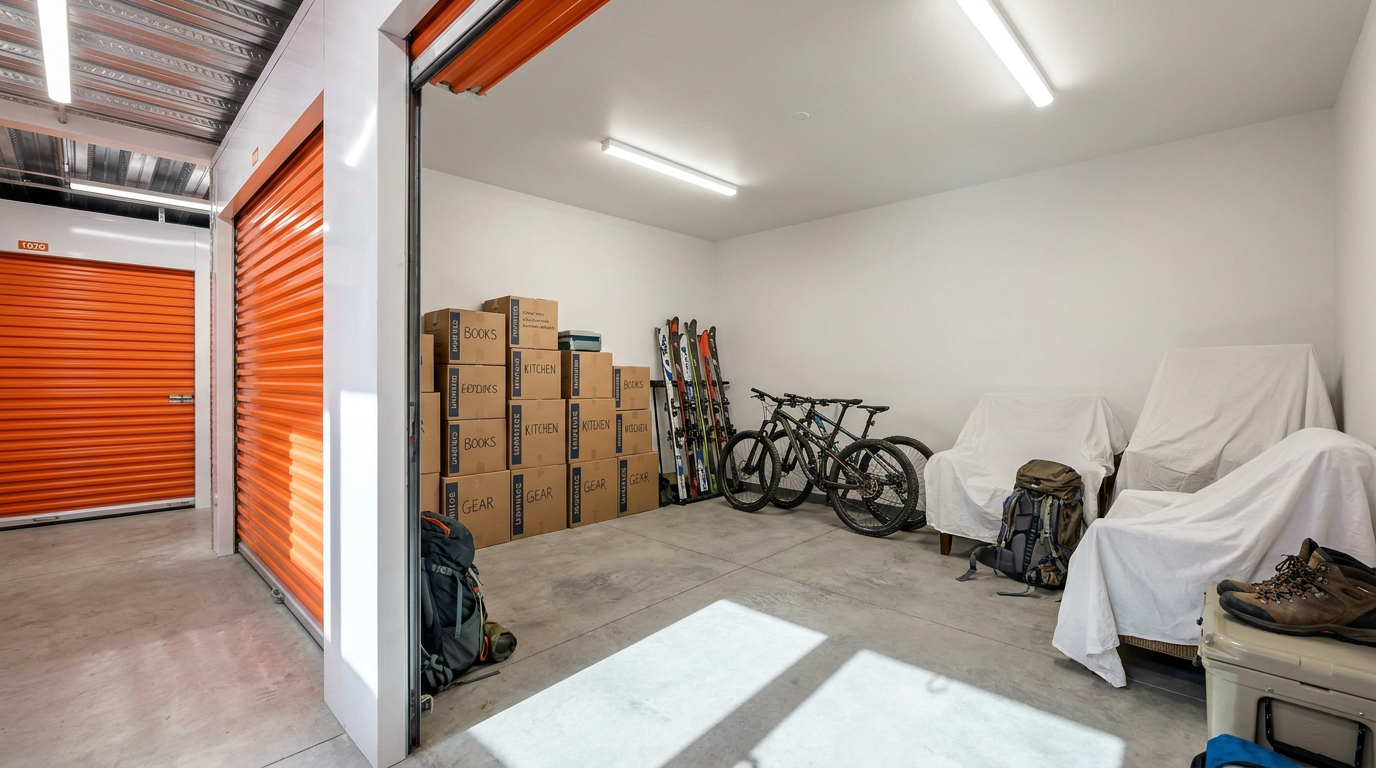
Crested Butte and Gunnison students often accumulate significant outdoor gear. Skis, snowboards, mountain bikes, camping equipment, and climbing gear are expensive to ship and unnecessary during summer months spent elsewhere.
A pair of skis with bindings costs $75 to $150 to ship via specialized carriers. A mountain bike requires a $50 to $100 bike box plus $100 to $200 in shipping fees. Storing all your gear in a storage unit near Western Colorado University eliminates these costs entirely.
Textbooks and Academic Materials
Unless you need specific textbooks for summer courses or internships, store them. A single semester's worth of textbooks weighs 20 to 40 pounds. At media mail rates of $3 to $5 per pound for heavy packages, shipping costs add up quickly.
Store binders, notebooks with important notes, reference books, and any materials you will need next semester.
Items You Should Always Take Home
Some belongings should never go into storage, regardless of convenience or cost savings. These items require personal oversight, have irreplaceable value, or pose security concerns in storage facilities.
Electronics and High-Value Items
Laptops, tablets, smartphones, cameras, and gaming systems should travel with you. These items have high theft appeal and can suffer damage from temperature fluctuations. Most storage facility insurance policies, including SafeLease tenant protection plans, exclude electronics from full replacement coverage.
Items worth over $500 deserve the extra attention of personal transport. This includes jewelry, collectibles, musical instruments, and designer items.
Important Documents and Medications
Passports, Social Security cards, birth certificates, financial aid documents, and tax records must stay with you. Prescription medications, even those not currently in use, should never be stored in unmonitored facilities.
Academic records, recommendation letters, and internship paperwork also belong in your possession rather than storage.
Sentimental and Irreplaceable Items
Family photos, heirlooms, gifts with emotional significance, and one-of-a-kind artwork should go home. While storage facilities maintain security through electronic gate access and video surveillance, no amount of protection replaces irreplaceable items.
Items You Need Over Summer
This seems obvious but students often forget: take anything you will actually use. Summer clothes, workout gear, hobby supplies, and personal care items you use daily should not sit in storage for three months.
Storage Unit Size Guide for College Students
Most college students need between 25 and 100 square feet of storage space. The right size depends on whether you are storing just personal items or furnishing an entire off-campus apartment. Use our storage unit size guide to calculate your exact needs.
| Unit Size | Square Feet | Best For | Monthly Cost |
|---|---|---|---|
| 4x5 | 20 sq ft | Boxes, small items, seasonal gear only | $99 |
| 5x5 | 25 sq ft | Dorm room contents, mini fridge, boxes | $95 to $115 |
| 5x6 | 30 sq ft | Dorm plus furniture, bikes, sports gear | $175 |
| 10x10 | 100 sq ft | Full apartment contents, multiple roommates sharing | $229 to $245 |
Students sharing an off-campus apartment can split a larger unit. A 10x10 unit divided among three roommates costs roughly $75 to $82 per person monthly, significantly less than individual small units.
Climate-Controlled vs Standard Storage for Students
Colorado's mountain climate creates specific storage challenges. Summer temperatures in Gunnison can reach 85 degrees F, while winter temperatures drop to negative 20 degrees F. These extremes affect certain belongings more than others.
When Climate Control Matters
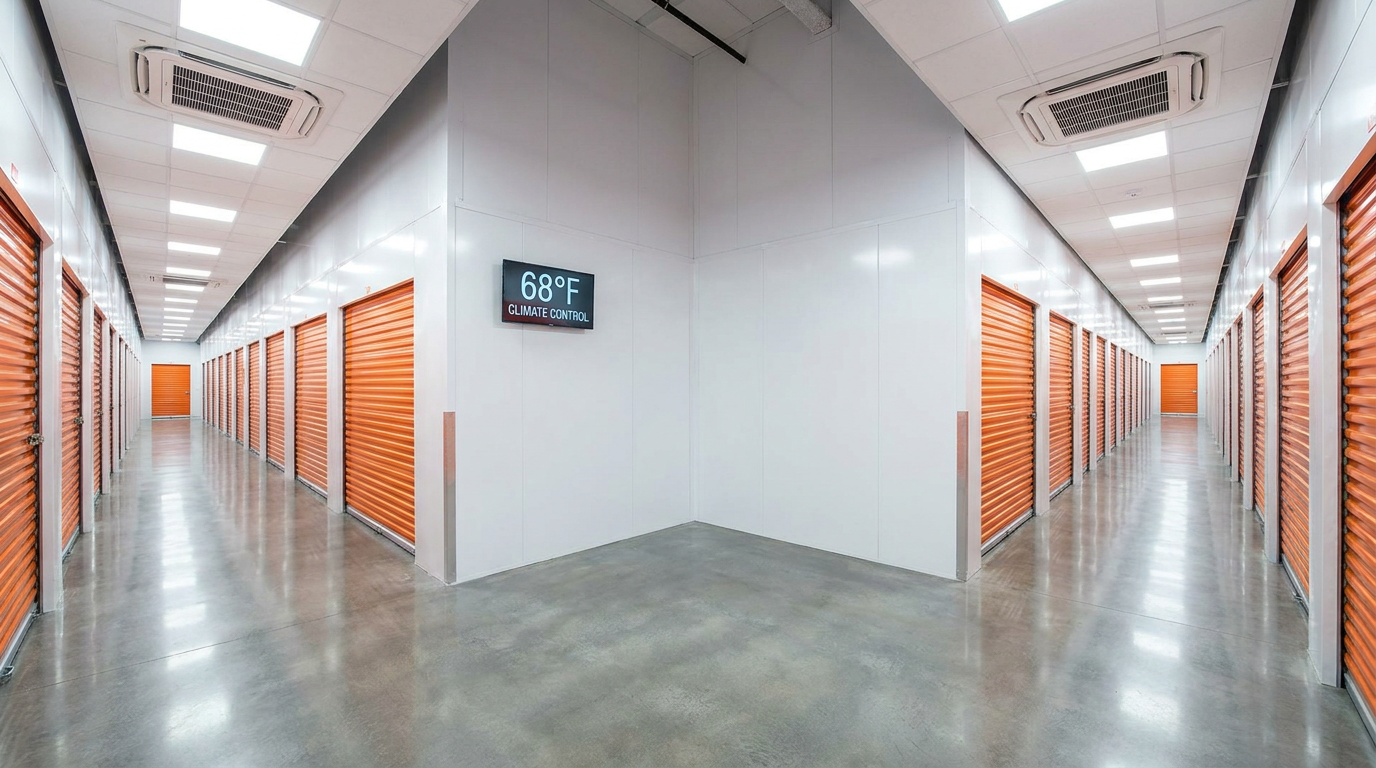
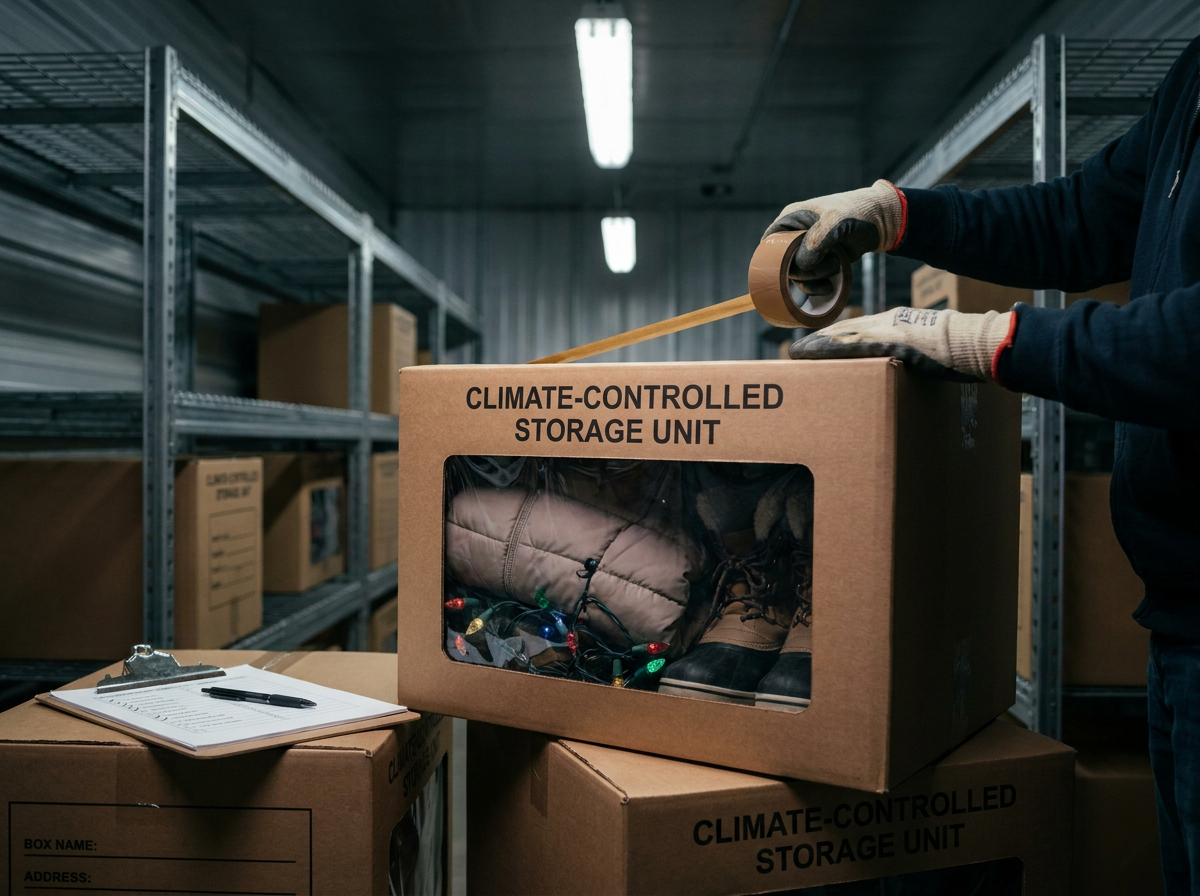
Choose heated storage units in Crested Butte if you are storing wooden furniture, musical instruments, vinyl records, artwork, leather goods, or photographs. Wood expands and contracts with temperature changes, causing warping and cracking. Leather dries out and cracks in extreme cold.
Climate-controlled units at Slate River Storage maintain consistent temperatures and cost $244 per month for a 6x10 space. This investment protects a $1,500 guitar or $800 wooden desk from irreversible damage.
When Standard Storage Works Fine
Metal items, plastic storage bins, most sports equipment, and synthetic fabrics tolerate temperature swings without damage. Skis, snowboards, camping gear, and durable furniture can safely go in standard drive-up units.
Standard units cost 30 to 40 percent less than climate-controlled options, making them the budget-friendly choice for durable items.
Packing Your Storage Unit Efficiently
Proper packing maximizes your space and protects your belongings. According to Storage Squad's college packing guide, students who pack strategically fit 20 to 30 percent more items in the same space.
Essential Packing Supplies
Gather supplies before packing begins. You will need 10 to 15 medium boxes (18x18x16 inches), 5 to 8 large boxes (24x18x18 inches), packing tape, bubble wrap for fragile items, furniture covers or old sheets, and a permanent marker for labeling.
Avoid using garbage bags for anything except soft items like bedding and clothes. Bags tear easily and offer no protection from moisture or pests.
Loading Strategy for Maximum Space
Place heavy items like mini fridges and furniture against the back wall first. Stack boxes with heaviest on bottom, lightest on top. Create an aisle down the center for access to items you might need.
Disassemble furniture when possible. Remove legs from desks and tables. Take apart bed frames. Store hardware in labeled plastic bags taped to the corresponding furniture piece.
Protecting Items in Storage
Never store items directly on the floor. Use pallets, 2x4 boards, or plastic sheeting as a moisture barrier. Cover upholstered furniture with breathable cotton sheets rather than plastic, which traps moisture and promotes mold.
Consider adding a tenant protection plan for coverage against fire, water damage, and theft. Plans cost a few dollars monthly and provide peace of mind for stored belongings.
Cost Comparison: Storing vs Shipping vs Selling
Smart students calculate the true cost of each option before deciding. The National Retail Federation reports that college students spend an average of $1,200 on dorm furnishings. Selling and rebuying these items each year wastes money.
| Option | Typical Cost | Best When | Drawbacks |
|---|---|---|---|
| Local Storage (3 months) | $285 to $375 | Returning to same school, have furniture | Requires local transport to facility |
| Ship Home (round trip) | $400 to $800 | Transferring schools, lightweight items only | Damage risk, delivery delays, high cost |
| Sell and Rebuy | $600 to $1,000 loss | Graduating, moving far away permanently | Lose money on resale, hassle of shopping again |
| Leave with Friends | Free to $50 | Small amount of items, trusted friend staying | Imposes on others, no insurance, limited space |
For Western Colorado University students returning in fall, local storage almost always wins financially. The North Gunnison location sits just minutes from campus, making drop-off and pickup convenient.
Timeline for End-of-Semester Storage
Procrastination costs money. Storage facilities near colleges fill up during finals week, and last-minute rates often run 15 to 25 percent higher than advance bookings.
Six Weeks Before Move-Out
Research storage options and compare prices. Reserve your unit to lock in rates and guarantee availability. Browse all six Gunnison Valley storage facilities to find the location and size that fits your needs.
Three Weeks Before Move-Out
Begin sorting belongings into store, take home, sell, and donate categories. Gather packing supplies. Start packing items you will not need during finals.
One Week Before Move-Out
Pack non-essential items completely. Clean and defrost mini fridge. Arrange transportation to the storage facility. Confirm your reservation and access details.
Moving Day
Load storage unit systematically. Take photos of stored items for insurance purposes. Lock unit securely and test your access code. Keep a copy of your inventory list.
Special Considerations for Mountain College Students
Students at Western Colorado University face unique storage challenges that coastal or urban students do not encounter. Understanding these factors helps you make better decisions.
Outdoor Gear Storage
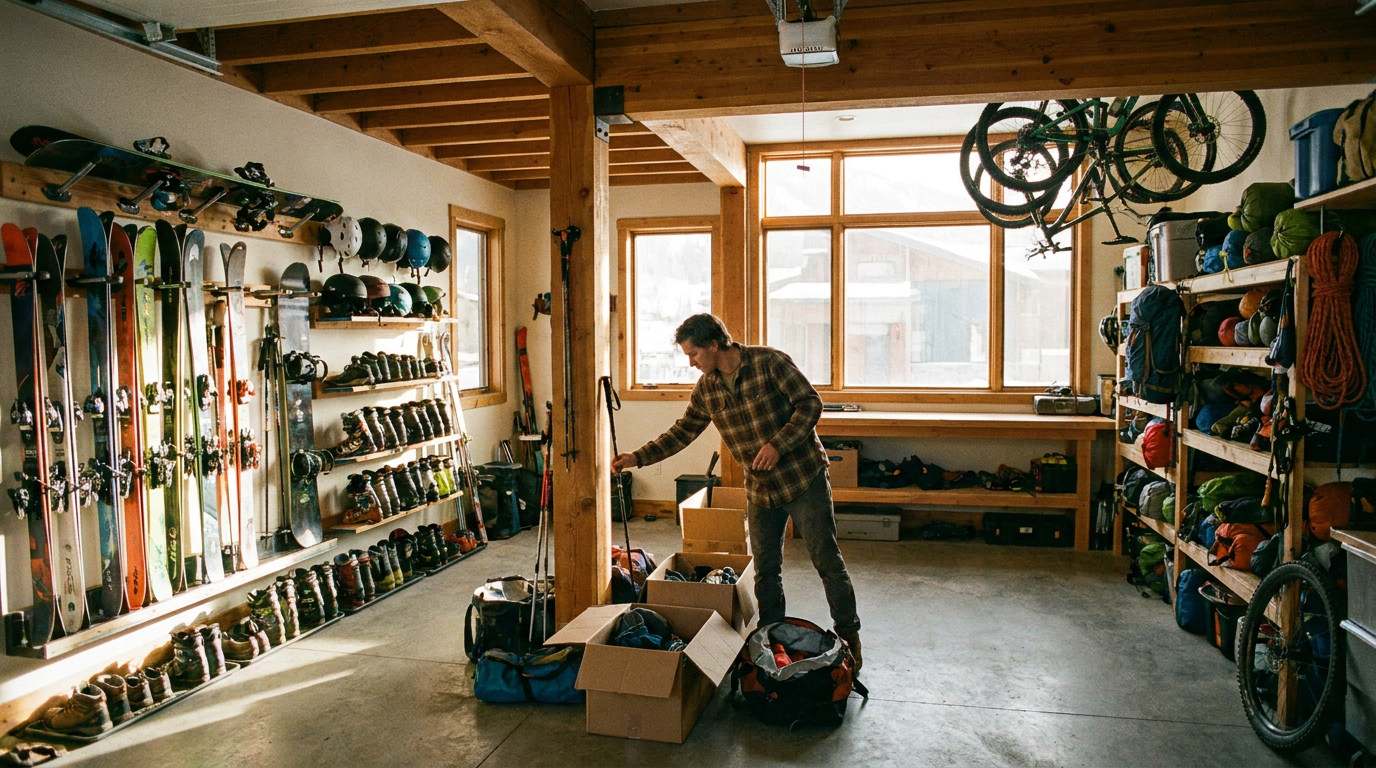
The Gunnison Valley attracts outdoor enthusiasts. Storing skis, snowboards, bikes, and camping gear requires specific preparation. Clean all equipment thoroughly before storage. Apply rust preventative to metal components. Store bikes with tires slightly deflated to prevent flat spots.
For valuable outdoor gear, consider Elk Mountain Storage in downtown Crested Butte, which offers drive-up access for easy loading of bulky equipment.
Vehicle Storage Options
Some students leave vehicles in Colorado over summer. Outdoor RV and vehicle parking costs significantly less than enclosed storage, starting at $157 per month for covered spaces. Disconnect batteries, add fuel stabilizer, and cover vehicles before extended storage.
Altitude and Climate Factors
At 7,700 feet elevation, Gunnison experiences intense UV radiation, low humidity, and extreme temperature swings. Leather, wood, and paper products are particularly vulnerable. Photographs can fade, wooden instruments can crack, and leather can dry out without proper climate control.
Frequently Asked Questions
How much does student storage cost per month?
Student storage in the Gunnison Valley costs $95 to $245 per month depending on unit size and features. A 5x5 unit suitable for most dorm room contents runs $95 to $115 monthly. Climate-controlled options cost 30 to 40 percent more but protect sensitive items from temperature damage.
What size storage unit do college students need?
Most individual students need a 5x5 (25 square feet) or 5x6 (30 square feet) unit. This fits a mini fridge, 10 to 15 boxes, a small piece of furniture, and sports equipment. Students with full apartment furnishings or those sharing with roommates should consider a 10x10 unit (100 square feet).
Should I get climate-controlled storage for college?
Get climate-controlled storage if you are storing wooden furniture, musical instruments, electronics, vinyl records, leather goods, or important documents. Standard storage works fine for metal items, plastic bins, sports equipment, and durable synthetic materials.
When should I reserve a storage unit for summer?
Reserve your storage unit 4 to 6 weeks before your move-out date. Units near college campuses fill quickly during finals week, and early reservations often qualify for promotional rates. Waiting until the last week can mean higher prices or no availability.
Can I share a storage unit with roommates?
Yes, sharing a larger unit with roommates saves money. A 10x10 unit split among three people costs roughly $75 to $82 per person monthly, compared to $95 to $115 each for individual 5x5 units. Create a shared inventory list and agree on access protocols before signing the lease.
What should I never put in a storage unit?
Never store perishable food, flammable materials, hazardous chemicals, firearms, live plants, or animals. Most facilities also prohibit storing cash, passports, and controlled substances. Check your facility's specific prohibited items list before storing.
|