What Is a Climate Controlled Storage Unit? Complete Guide |
| WHAT IS A CLIMATE CONTROLLED STORAGE UNIT
⏱ 9 min read ·
📄 #1,624 words
A climate controlled storage unit maintains 55-80°F temperatures year-round. Learn costs, benefits, and which items need this protection in Colorado.
|
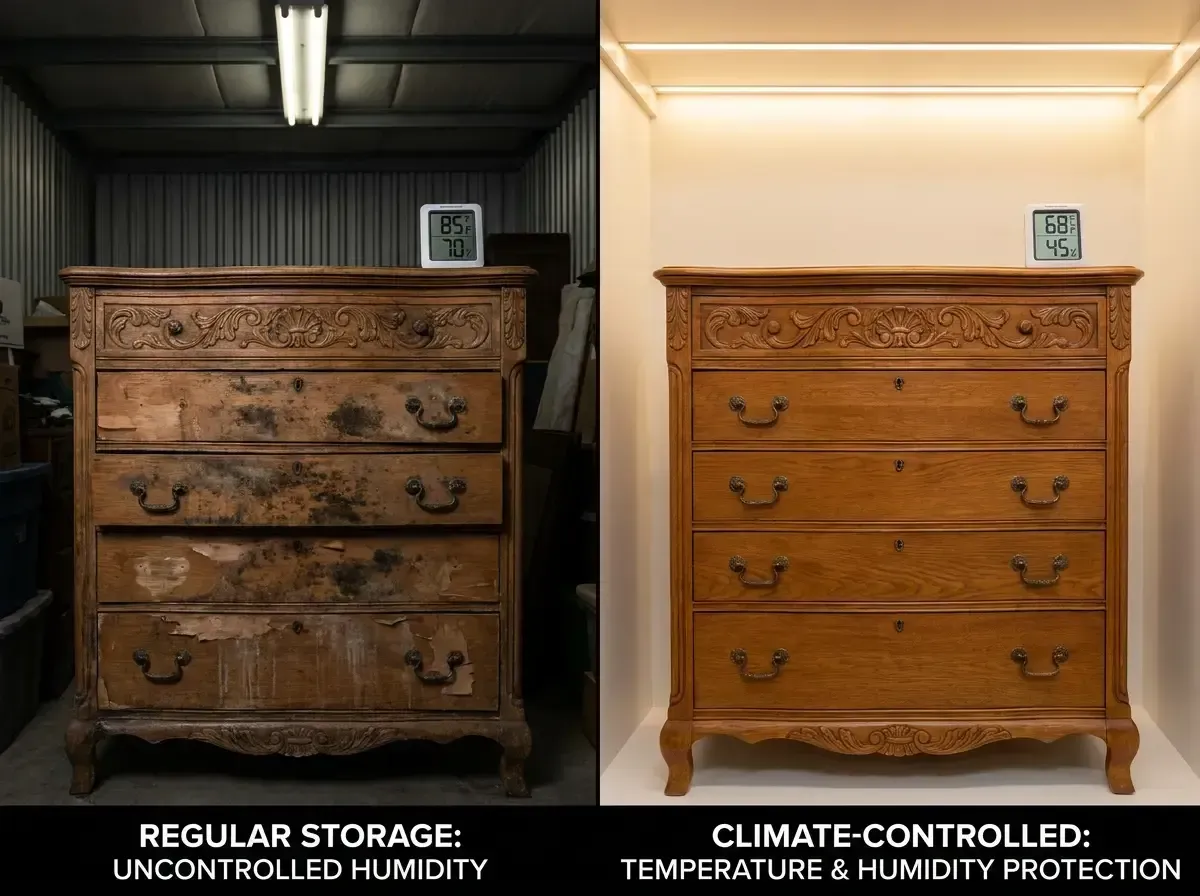
A climate controlled storage unit is an indoor storage space equipped with HVAC systems that maintain temperatures between 55 and 80 degrees Fahrenheit year-round. These units protect temperature-sensitive belongings from extreme heat, cold, and humidity fluctuations that can cause warping, cracking, mold growth, and corrosion.
| Key Points: | |
|---|---|
| • | Temperature range maintained at 55-80°F through HVAC systems, compared to outdoor units that can swing from -20°F to 100°F+ seasonally |
| • | Climate controlled units cost 20-50% more than standard storage, typically $100-350/month for a 10x10 space depending on location |
| • | Essential for wood furniture, electronics, documents, artwork, vinyl records, and musical instruments stored longer than 30 days |
| • | No industry-wide standard exists for the term; always verify specific temperature and humidity controls with your facility |
Climate Controlled vs. Standard Storage Units: Key Differences
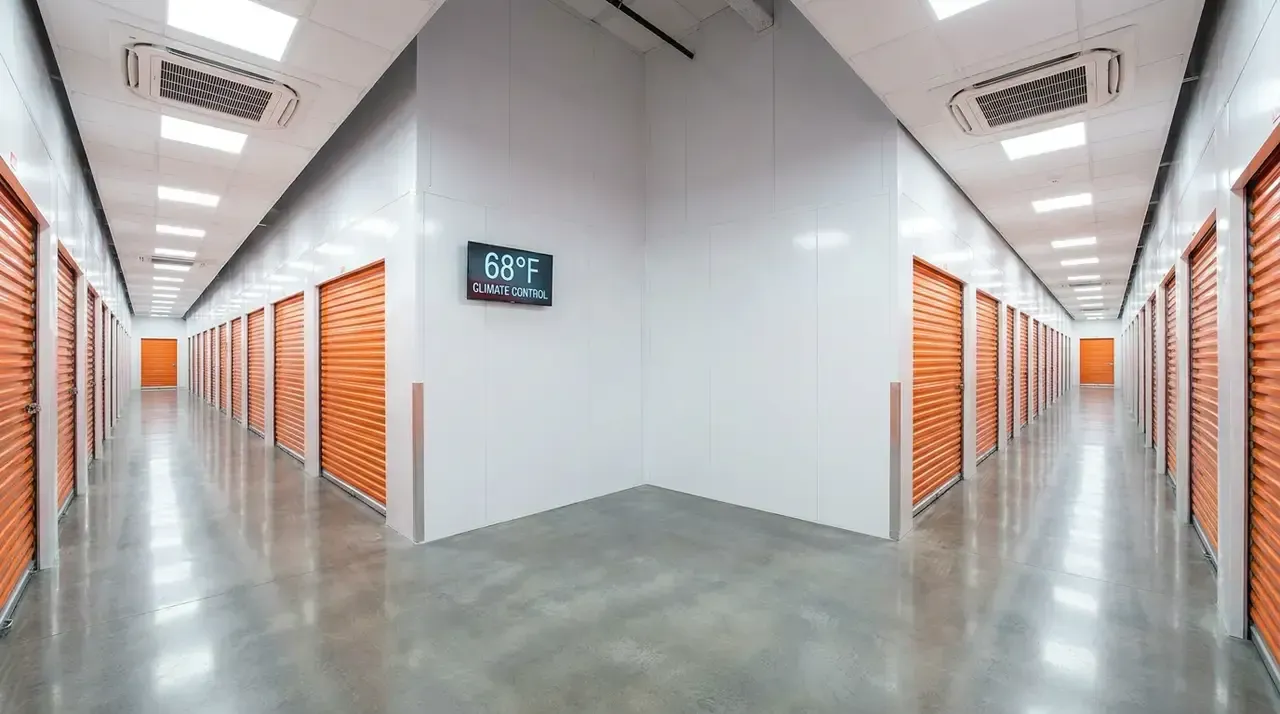
Standard storage units, often called drive-up or outdoor units, offer no temperature regulation. According to Extra Space Storage, these units can experience temperature swings of 50 degrees or more between summer and winter months. In mountain communities like Gunnison and Crested Butte, Colorado, temperatures regularly drop below zero in winter and exceed 85°F in summer.
Climate controlled units address this problem by maintaining stable indoor conditions. The Self Storage Association reports that approximately 40% of all storage facilities in the United States now offer some form of climate control, up from just 15% in 2005.
| Feature | Climate Controlled | Standard Storage |
|---|---|---|
| Temperature Range | 55-80°F year-round | Matches outdoor temps |
| Humidity Control | Often maintained at 30-50% | Not controlled |
| Monthly Cost (10x10) | $150-350 | $100-250 |
| Location | Indoor, interior hallways | Outdoor or drive-up |
| Best For | Sensitive items, long-term storage | Durable goods, short-term storage |
Temperature Controlled vs. Climate Controlled: Understanding the Terminology
The storage industry uses these terms inconsistently, which creates confusion for renters. According to PODS, there is no official industry standard defining either term. Some facilities use them interchangeably, while others distinguish between them.
Temperature controlled typically means the unit regulates heat and cooling only. Climate controlled usually implies both temperature and humidity regulation. Before renting, ask the facility manager these specific questions: What temperature range do you maintain? Do you control humidity levels? Can I get these specifications in writing?
Facilities may also offer specialized options. Extra Space Storage, for example, distinguishes between air-cooled storage for hot climates, heated storage for cold climates, and dehumidified storage for humid regions. Each addresses different environmental challenges.
Items That Require Climate Controlled Storage
Certain belongings suffer permanent damage from temperature extremes and humidity fluctuations. The National Archives recommends storing paper documents at 65-70°F with 30-40% relative humidity to prevent deterioration. Electronics manufacturers like Apple and Samsung specify storage temperatures between 50-95°F for their products.
Items requiring climate control include:
- Wood furniture: Expands and contracts with temperature changes, causing cracks and warping
- Electronics: Circuit boards corrode in high humidity; batteries degrade below 32°F
- Photographs and documents: Paper yellows and becomes brittle; photos stick together
- Vinyl records and CDs: Warp above 100°F; humidity causes mold growth
- Musical instruments: Wood instruments crack; brass tarnishes in humidity
- Leather furniture and clothing: Cracks in dry conditions; molds in humidity
- Artwork and antiques: Paint cracks; canvas stretches and contracts
- Wine collections: Requires 55-58°F; corks dry out in low humidity
- Medical equipment and pharmaceuticals: Many medications lose efficacy outside 59-77°F
Climate Controlled Storage Costs: What to Expect
Climate controlled units cost 20-50% more than standard storage. According to SpareFoot, the national average for a 10x10 climate controlled unit is $165 per month, compared to $125 for a standard unit of the same size. Prices vary significantly by region, with urban areas commanding higher rates.
In mountain communities like Crested Butte, Colorado, climate controlled options at Slate River Storage start at $244 per month for a 6x10 heated unit. Larger 10x10 climate controlled units run approximately $337 per month. These rates reflect both the cost of maintaining HVAC systems at 9,000+ feet elevation and the limited availability of climate controlled facilities in rural mountain towns.
When calculating whether climate control is worth the extra cost, consider the replacement value of your items. A $2,000 leather sofa damaged by mold costs far more to replace than the $50-100 monthly premium for climate control over a year of storage.
When Climate Control Matters Most: Regional Considerations
Geography plays a significant role in determining whether you need climate controlled storage. The U.S. Department of Energy notes that temperature fluctuations cause the most damage during seasonal transitions, not necessarily during peak summer or winter.
In Colorado mountain towns, the combination of extreme cold (temperatures below -20°F are common in Gunnison), low humidity (often below 20% in winter), and intense UV radiation at high altitude creates unique storage challenges. Wood furniture stored in standard units can crack within a single winter season. Electronics left in unheated spaces may experience battery failure and condensation damage.
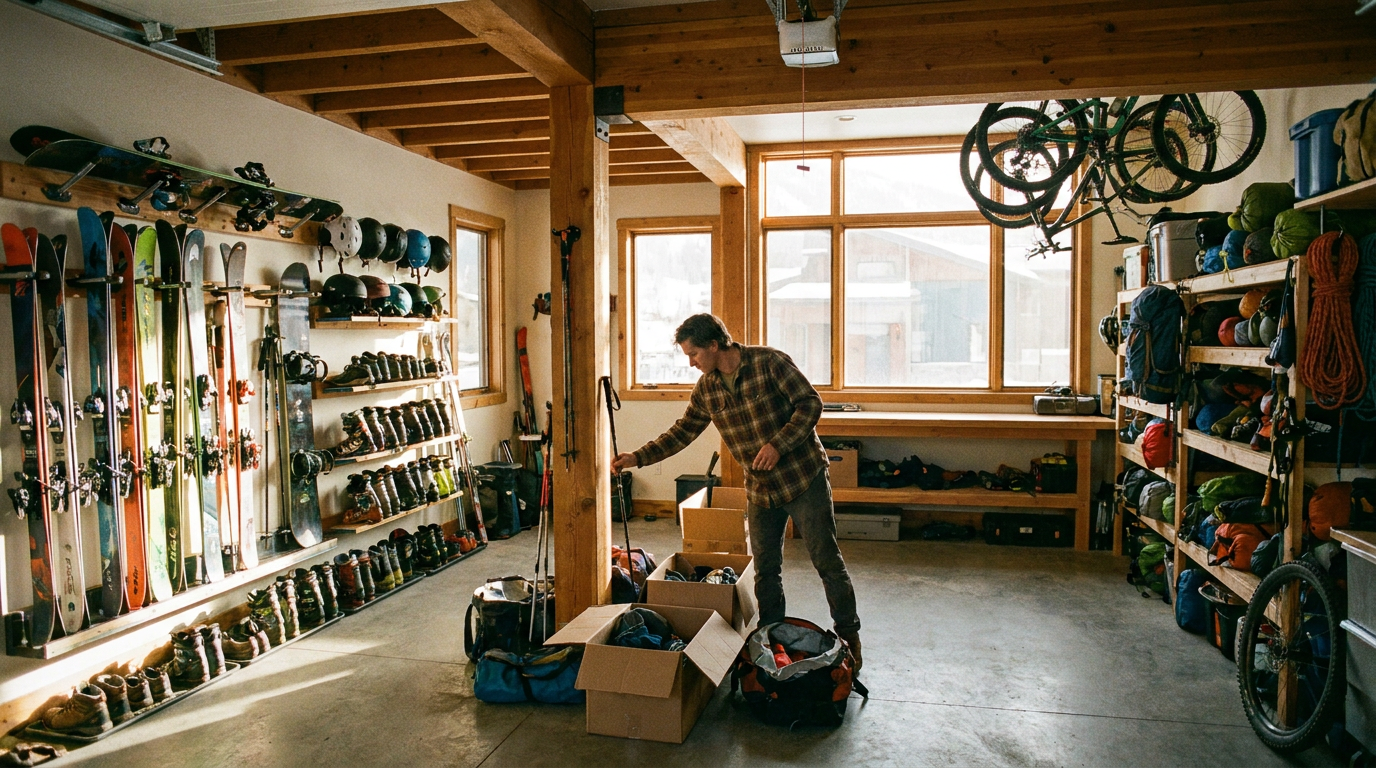
For second-home owners in Crested Butte who store belongings between visits, climate control protects investments like ski equipment, outdoor furniture, and household goods. Western Colorado University students storing items over summer break should consider climate control for electronics and textbooks that cannot withstand temperature swings.
How to Verify Climate Control Quality at Any Facility
Because no industry standard exists, due diligence falls on the renter. The Better Business Bureau recommends asking for documentation of temperature and humidity ranges before signing a lease. Reputable facilities should provide this information readily.
Questions to ask before renting:
- What specific temperature range do you maintain? (Acceptable: 55-80°F)
- Do you control humidity? If so, what range? (Ideal: 30-50%)
- How often is the HVAC system serviced? (Should be at least annually)
- What happens if the system fails? Is there backup?
- Can I see the thermostat or monitoring system?
- Do you have written documentation of these specifications?
Visit the facility in person before committing. Walk through the hallways and note whether the temperature feels consistent. Check for signs of moisture, musty odors, or visible mold. These indicate inadequate climate control regardless of what the facility claims.
Preparing Items for Climate Controlled Storage
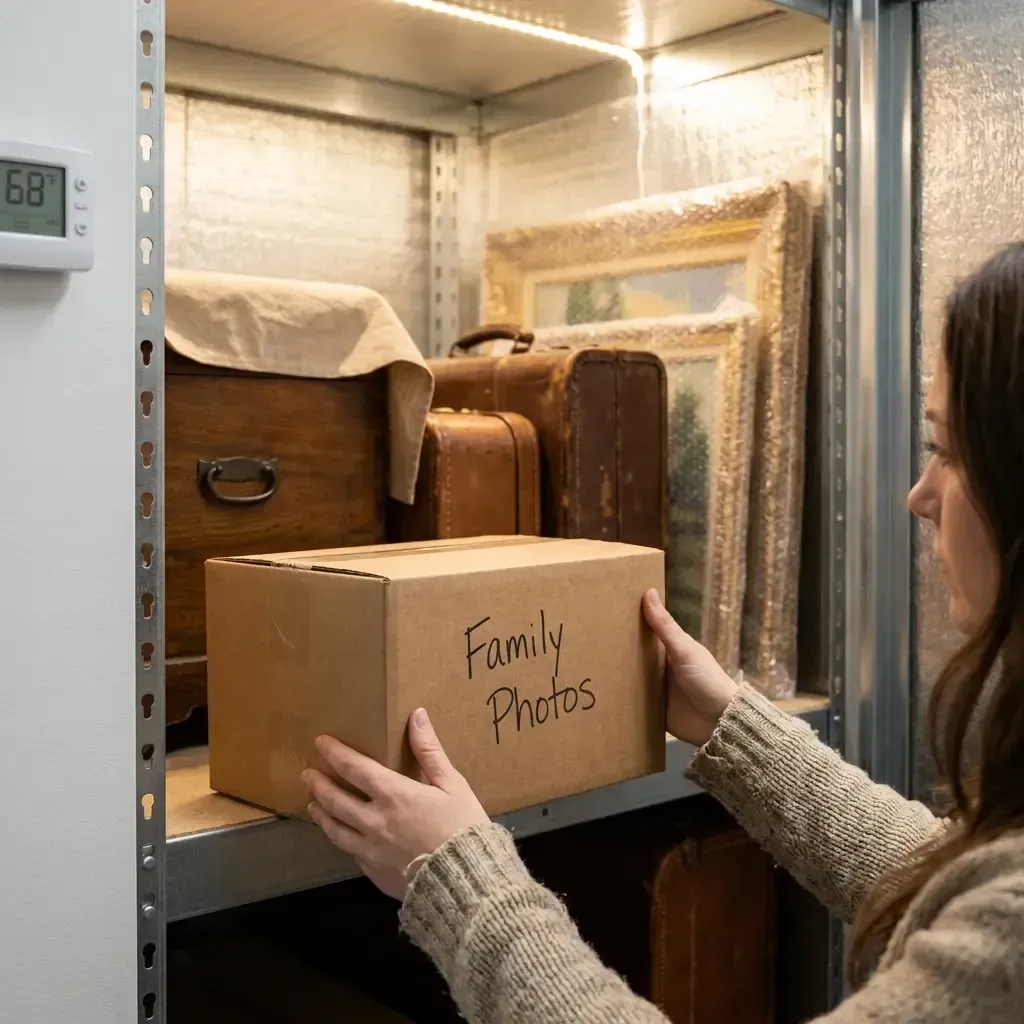
Even climate controlled units require proper preparation. According to U-Haul, items should be completely dry before storage to prevent mold growth. Check all belongings for existing mold or mildew, which can spread to other items in enclosed spaces.
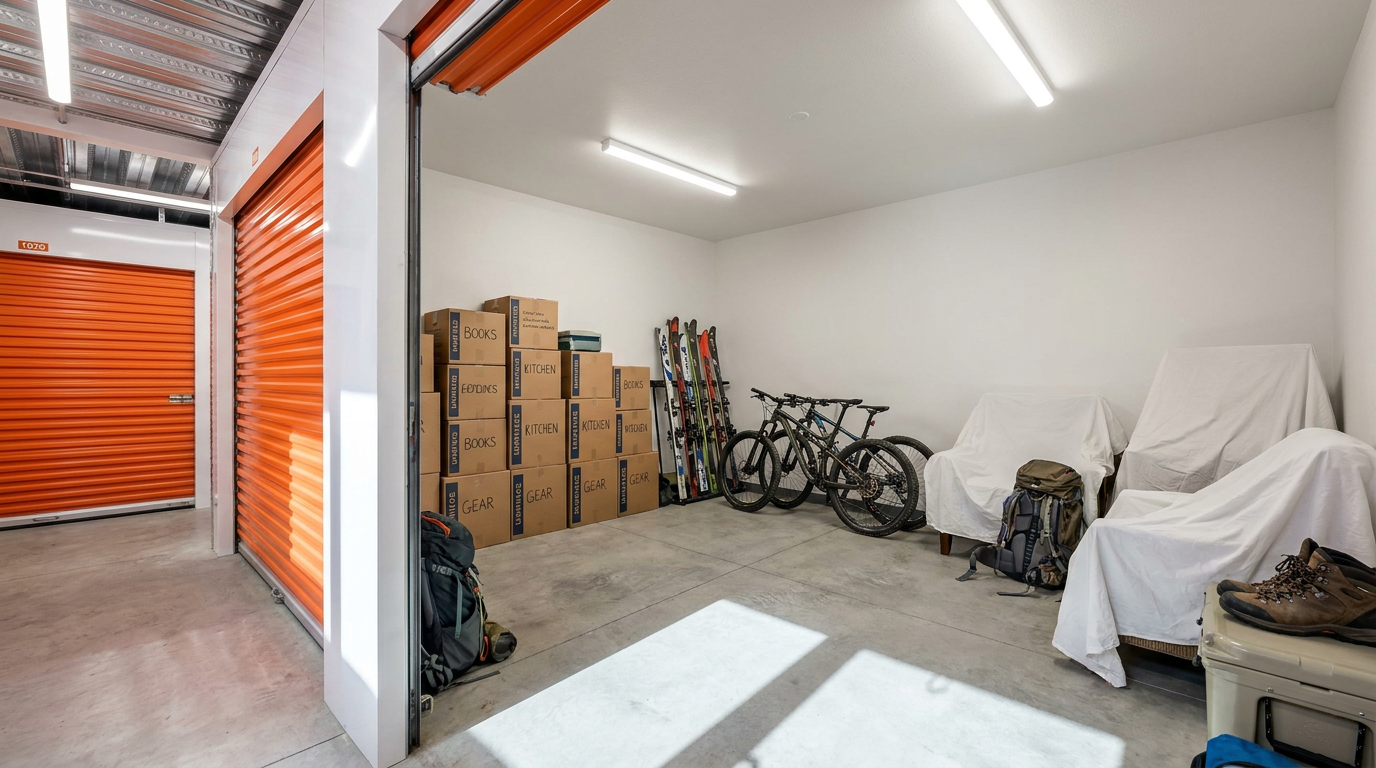
Use plastic bins rather than cardboard boxes for long-term storage. Cardboard absorbs moisture and provides food for pests. Wrap furniture in breathable cotton covers, not plastic, which traps moisture. Disassemble large items when possible to maximize space and reduce stress on joints.
For electronics, remove batteries to prevent corrosion and leakage. Store devices in their original packaging when available. If original boxes are unavailable, wrap items in anti-static material before placing in bins. Consider tenant protection plans that cover damage from fire, water, and other hazards.
Frequently Asked Questions About Climate Controlled Storage
Is climate control worth it for storage?
Climate control is worth the 20-50% premium when storing items valued above $1,000, irreplaceable documents, electronics, wood furniture, or anything sensitive to temperature and humidity. For durable goods like metal tools, plastic containers, or outdoor equipment, standard storage typically suffices. Calculate the replacement cost of your items against the annual premium for climate control to make an informed decision.
What is the difference between climate controlled and regular storage units?
Climate controlled units maintain temperatures between 55-80°F and often regulate humidity at 30-50%. Regular storage units have no environmental controls, meaning interior temperatures match outdoor conditions. In Colorado, this can mean freezing temperatures in winter and 90°F+ in summer. Regular units work for temperature-resistant items; climate control protects sensitive belongings.
Is it cheaper to rent a pod or a storage unit?
Portable storage containers (pods) typically cost $150-300 per month, comparable to climate controlled storage units. However, pods rarely offer climate control. If you need temperature and humidity regulation, a traditional climate controlled storage unit at a facility like Discount Self Storage provides better protection. Pods offer convenience for moving; fixed units offer better environmental control.
Can I sleep in a climate controlled storage unit?
No. Sleeping or living in any storage unit violates lease agreements and local ordinances. Storage facilities are not zoned for residential use and lack required safety features like proper ventilation, emergency exits, and sanitation. Violations result in immediate lease termination. If you need temporary housing, contact local social services or housing assistance programs instead.
How much does a 10x10 storage unit cost per month?
A standard 10x10 storage unit costs $100-250 per month nationally. Climate controlled 10x10 units run $150-350 per month depending on location. In mountain communities with limited options, prices may be higher. Check our storage unit size guide to determine if a 10x10 meets your needs before comparing prices.
Finding Climate Controlled Storage in the Gunnison Valley
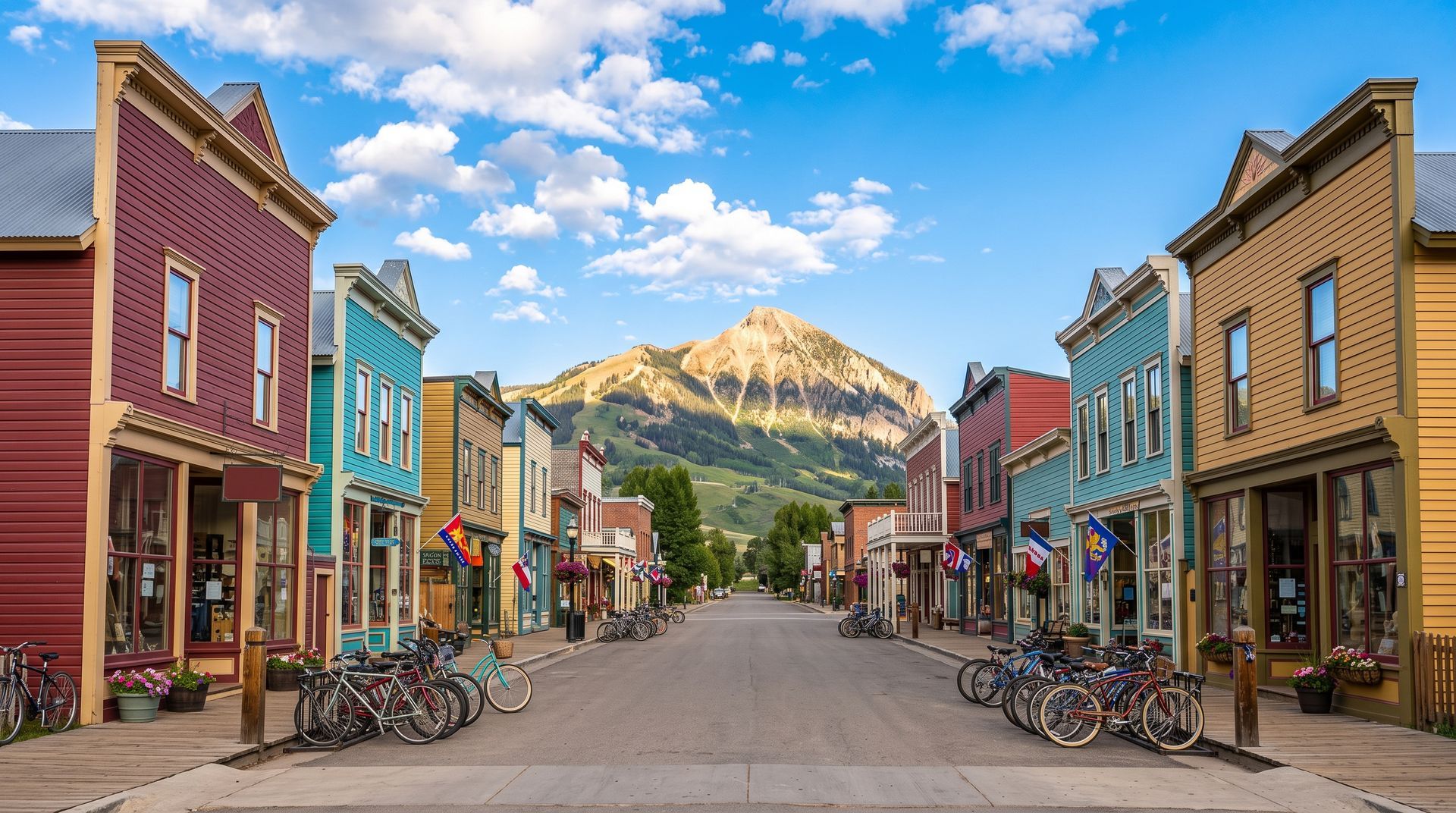
Climate controlled storage options remain limited in mountain communities compared to urban areas. In the Gunnison Valley, Slate River Storage in Crested Butte offers heated units that protect belongings through harsh Colorado winters. All units at this location maintain consistent temperatures with digital video surveillance, LED lighting, and monthly pest control.
For those who do not require full climate control, heated storage provides protection against freezing without the higher cost of year-round temperature regulation. This option works well for items that tolerate summer heat but cannot withstand sub-zero winter temperatures, common in mountain environments above 8,000 feet elevation.
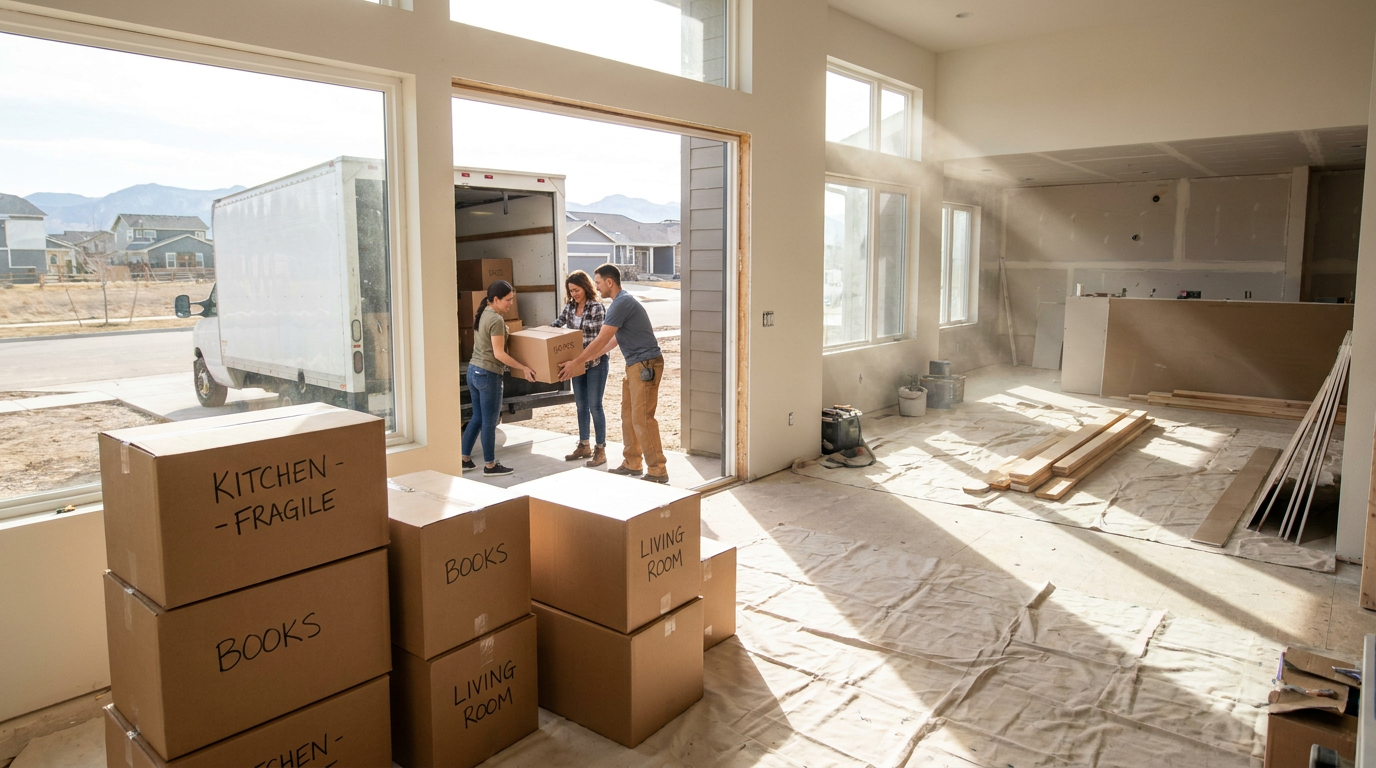
Whether storing ski equipment between seasons, protecting furniture during a home renovation, or keeping business inventory safe, understanding the difference between climate controlled, heated, and standard storage helps you choose the right protection level for your belongings and budget.
|