Seasonal Gear Storage in Crested Butte: Winter and Summer Checklist |
| SEASONAL GEAR STORAGE IN CRESTED BUTTE: WINTER AND SUMMER CHECKLIST
⏱ 11 min read ·
📄 #2,067 words
Complete seasonal gear storage checklist for Crested Butte residents. Learn how to store skis, bikes, and camping gear properly between seasons.
|
C rested Butte residents need to rotate gear twice yearly, storing winter equipment from May through October and summer gear from November through April. Proper storage requires cleaning all items thoroughly, using climate-controlled units for sensitive materials, and organizing by activity type in clearly labeled bins.
| Key Points: | |
|---|---|
| • | Clean and dry all gear completely before storage to prevent mold, rust, and material degradation |
| • | Climate-controlled units maintaining 55 to 80 degrees Fahrenheit protect boots, bindings, and technical fabrics |
| • | A 5x10 unit ($95 to $245 per month) typically holds skis, bikes, and camping gear for a household |
| • | Remove batteries from avalanche beacons, GPS devices, and headlamps to prevent corrosion |
| • | Apply storage wax to ski and snowboard bases before storing for 5 or more months |
Why Seasonal Storage Matters in Crested Butte
Crested Butte's elevation of 8,885 feet creates extreme seasonal swings that stress outdoor equipment. Winter temperatures regularly drop below zero degrees Fahrenheit, while summer monsoons bring humidity spikes of 60 to 80 percent. According to the Gunnison Crested Butte Tourism Association, the area receives over 300 inches of snow annually, making proper gear rotation essential.
The town's economy revolves around seasonal recreation. Ski season runs from late November through early April at Crested Butte Mountain Resort. Summer activities peak from mid-June through September, with wildflower season drawing visitors from around the world. This creates a predictable twice-yearly gear swap for locals, second-home owners, and seasonal workers.
Improper storage leads to costly damage. Ski boots left in garages can develop cracked shells from temperature cycling. Bike suspension seals dry out and fail. Sleeping bags lose loft when compressed for extended periods. A single ruined pair of ski boots costs $400 to $800 to replace.
Winter Gear Storage Checklist: May Through October
When ski season ends in April, follow this checklist to protect your winter investment. The Crested Butte ski season typically concludes during the first or second week of April, giving you a clear transition window.
Skis and Snowboards
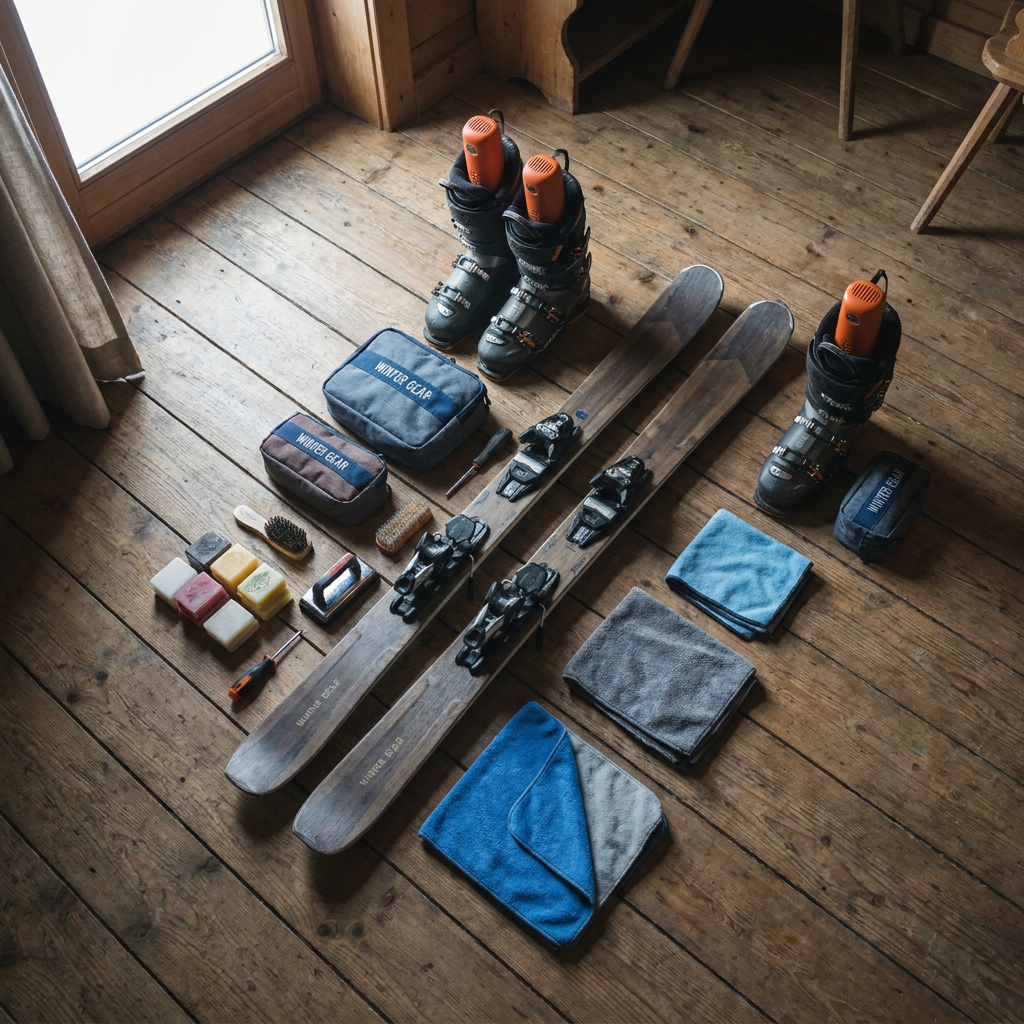
Start by cleaning bases with a soft cloth and ski-specific cleaner to remove dirt, salt, and tree sap. According to Last Frontier Heliskiing's storage guide, applying a thick coat of storage wax prevents base oxidation during summer months. Do not scrape this wax; leave it on until fall. Store skis standing upright or lying flat, never leaning at an angle that can warp the camber.
Inspect bindings for cracks, rust, or worn components. Release tension on binding springs if your model allows it. Check edges for burrs and have them professionally tuned before storage if needed. A full tune costs $40 to $80 and extends equipment life by 2 to 3 seasons.
Ski and Snowboard Boots
Remove liners completely and wash them with mild soap. Dry liners for 24 to 48 hours before reinserting. Loosen all buckles to prevent shell cracking from sustained pressure. Store boots in a climate-controlled environment; temperatures above 90 degrees Fahrenheit can deform plastic shells permanently.
The Slate River Storage location in Crested Butte offers heated units that maintain consistent temperatures, protecting boot shells and liner foam from degradation. This is particularly important for custom-molded liners that cost $200 to $400 to replace.
Outerwear and Base Layers
Wash all technical fabrics according to manufacturer instructions. Most Gore-Tex and similar membranes require specific detergents like Nikwax Tech Wash. Tumble dry on low heat to reactivate DWR (durable water repellent) coatings. Store garments hanging or loosely folded; tight compression damages insulation loft.
Accessories and Electronics
Remove batteries from avalanche transceivers, headlamps, GPS units, and heated gloves. Store batteries separately in a cool, dry location. Clean goggle lenses with microfiber cloths and store in protective cases. Helmets should be stored away from direct sunlight, which degrades EPS foam over time.
Summer Gear Storage Checklist: November Through April
Crested Butte's summer season features world-class mountain biking, hiking, and camping. When snow arrives in November, protect this gear properly for the 5 to 6 month winter period.
Mountain Bikes
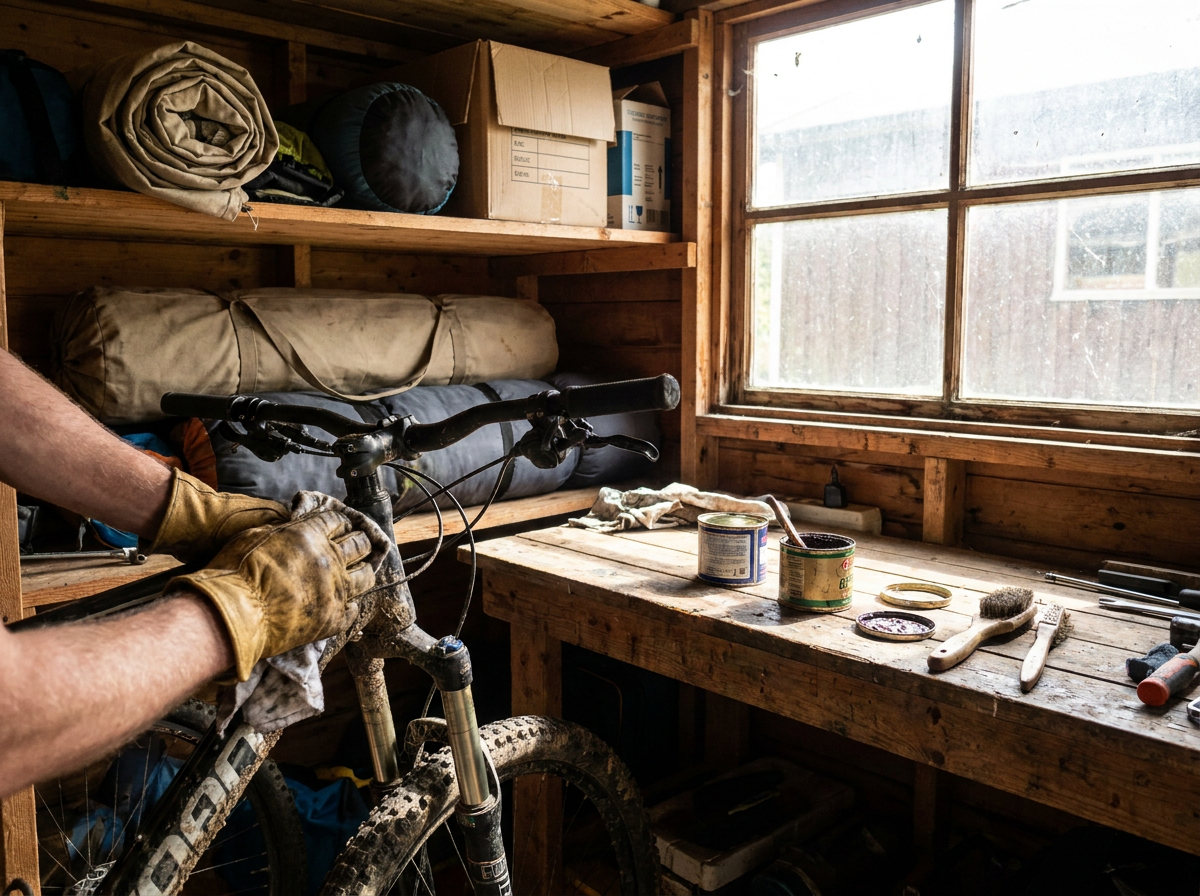
Clean frames, drivetrains, and suspension components thoroughly. Lubricate chains with a quality wet or dry lube depending on storage conditions. According to GearJunkie, suspension forks and shocks should be stored with the bike upright to keep seals lubricated. Deflate tires to 20 to 30 PSI to prevent flat spots while reducing stress on sidewalls.
Remove batteries from e-bikes and store them at 40 to 60 percent charge in temperatures between 50 and 77 degrees Fahrenheit. Full or empty battery storage accelerates lithium-ion degradation. A replacement e-bike battery costs $500 to $1,200.
Camping and Backpacking Gear
Wash tents with mild soap and water, then dry completely for 24 to 48 hours before packing. Store tents loosely stuffed in large cotton or mesh bags, not in their compression sacks. Prolonged compression weakens waterproof coatings and seam tape.
Sleeping bags require similar treatment. Down bags should be stored in large breathable storage sacks or hanging in a closet. Synthetic bags are more forgiving but still benefit from loose storage. A quality down sleeping bag costs $300 to $600 and can last 15 to 20 years with proper care.
Clean camp stoves and remove fuel canisters. Store stoves with valves open to prevent seal damage. Inspect water filters and dry them completely; frozen water inside filters destroys filtration membranes.
Hiking and Trail Running Gear
Clean hiking boots and trail runners, removing insoles to dry separately. Apply leather conditioner to full-grain leather boots. Store footwear with cedar shoe trees or stuffed with newspaper to maintain shape and absorb residual moisture.
Trekking poles should be collapsed, cleaned, and stored with locks loosened. Check rubber tips and carbide points for wear. Hydration bladders require thorough drying; store them in a freezer to prevent mold growth, or use a small amount of baking soda inside.
Choosing the Right Storage Unit Size
Selecting the appropriate unit size prevents overpaying while ensuring adequate space for organization. Use our storage unit size guide to determine your specific needs based on inventory.
| Unit Size | Square Feet | Best For | Monthly Cost |
|---|---|---|---|
| 4x5 or 5x5 | 20 to 25 | 1 to 2 pairs of skis, boots, small boxes | $95 to $115 |
| 5x10 or 6x10 | 50 to 60 | Multiple skis, 2 to 3 bikes, camping gear | $175 to $244 |
| 10x10 | 100 | Full household gear, 4 or more bikes, all seasons | $229 to $337 |
| 10x20 | 200 | Gear plus vehicle, boat, or snowmobile | $365 to $425 |
For most Crested Butte households with moderate gear collections, a 5x10 or 6x10 unit provides adequate space with room for shelving and organization. The Slate River Storage facility offers 6x10 climate-controlled units at $244 per month, ideal for protecting sensitive equipment.
Climate-Controlled vs. Standard Storage
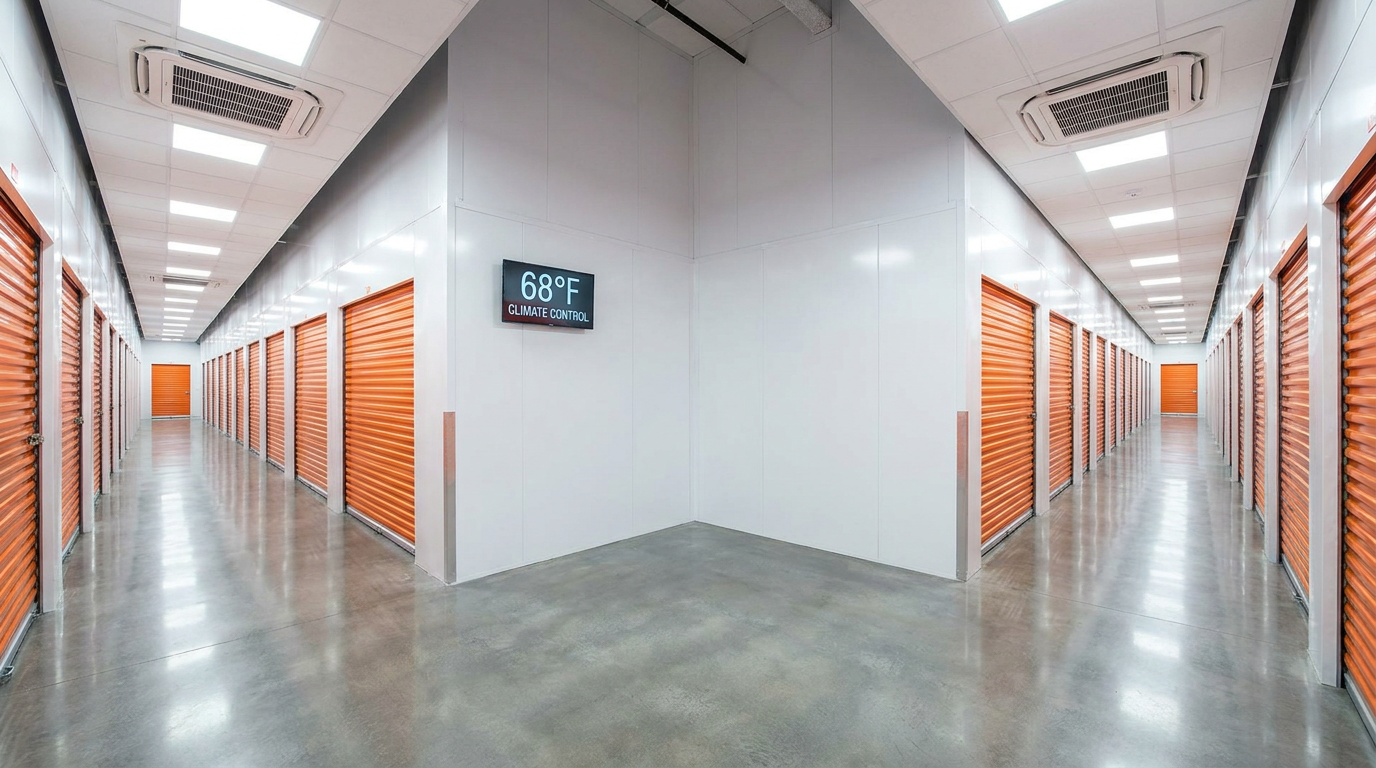
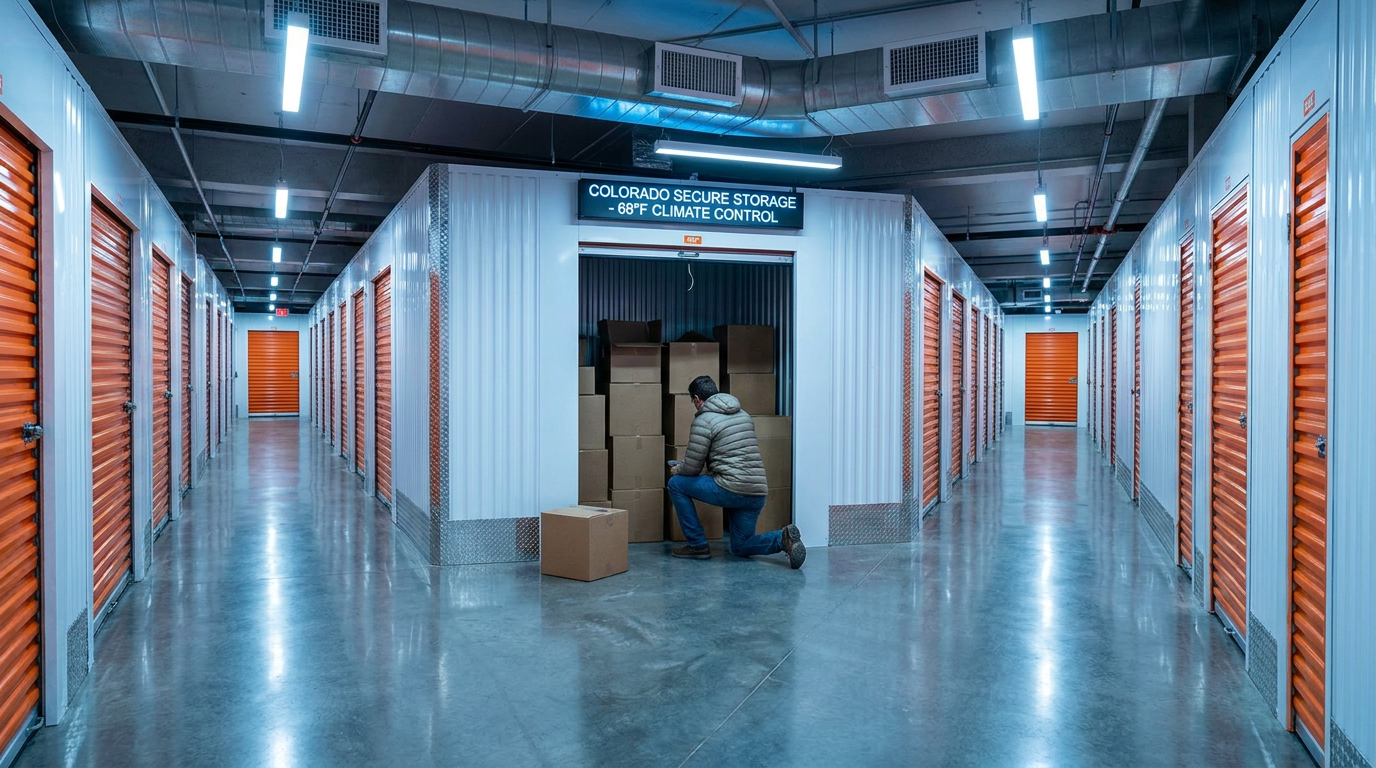
Climate-controlled storage maintains temperatures between 55 and 80 degrees Fahrenheit year-round. Standard units in Crested Butte can experience temperature swings from negative 20 to over 100 degrees Fahrenheit depending on season and sun exposure.
| Item Category | Climate Control Needed? | Reason |
|---|---|---|
| Ski and snowboard boots | Yes | Plastic shells crack in extreme heat or cold |
| Down sleeping bags | Yes | Humidity damages down loft permanently |
| E-bike batteries | Yes | Lithium-ion cells degrade below 32 or above 86 degrees |
| Skis and snowboards | No | Materials tolerate temperature swings when waxed |
| Aluminum bikes | No | Metal frames handle temperature changes well |
| Tents and backpacks | Recommended | Waterproof coatings degrade faster in heat |
The premium for climate control typically runs $50 to $100 per month more than standard units. For gear worth $2,000 or more, this investment pays for itself by extending equipment lifespan 3 to 5 years.
Organizing Your Storage Unit for Easy Access
Proper organization saves time during seasonal transitions. The average Crested Butte resident accesses their storage unit 8 to 12 times per year, primarily during spring and fall gear swaps.
Shelving and Vertical Storage
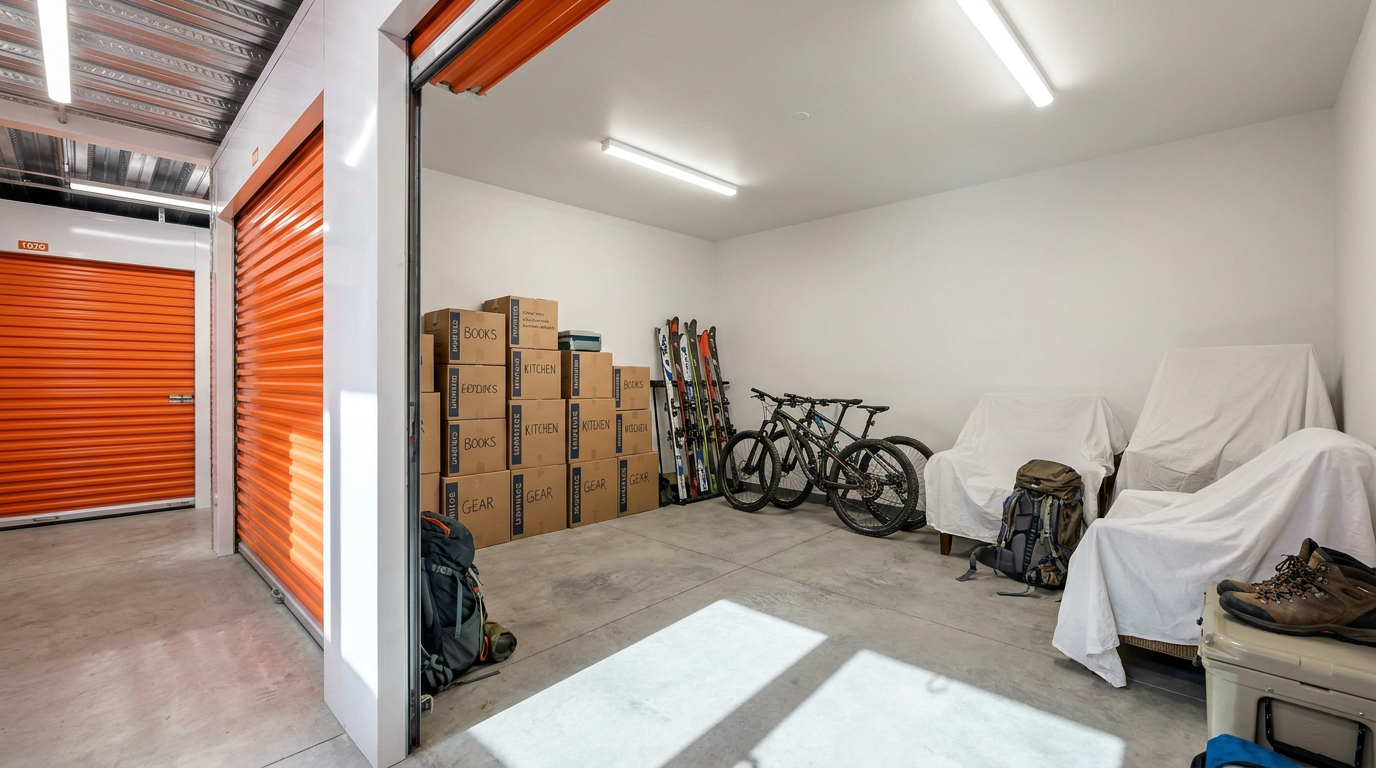
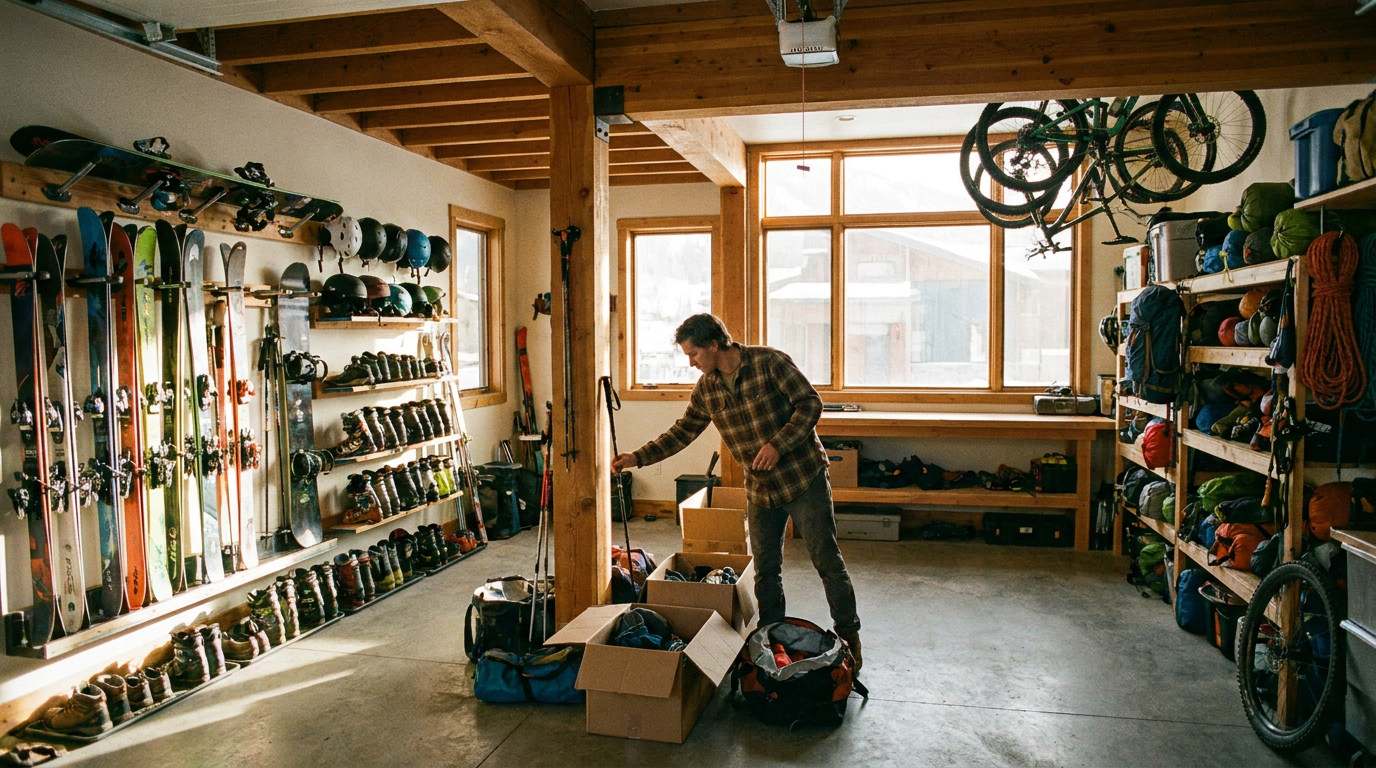
Install freestanding metal shelving along walls to maximize floor space. A 4-shelf unit measuring 48 inches wide costs $60 to $120 and doubles usable storage capacity. Mount ski and snowboard racks on walls or use vertical floor stands to keep equipment accessible without stacking.
Hang bikes from ceiling hooks or wall-mounted racks. This keeps tires off concrete, which can cause flat spots, while freeing floor space for bins and boxes. A quality bike hook costs $15 to $30 and supports up to 50 pounds.
Labeling and Inventory Systems
Use clear plastic bins with labels indicating contents and season. Create categories such as ski gear, bike gear, camping, and hiking. Maintain a simple inventory list on your phone or in a small notebook kept in the unit. This prevents forgotten items and simplifies insurance claims if needed.
Consider the SafeLease tenant protection plan for coverage against fire, water damage, and theft. Plans cover losses with a $100 deductible, waived for burglary claims when using a cylinder or disc padlock.
Storage Locations in Crested Butte and Gunnison
Discount Self Storage operates six facilities across the Gunnison Valley, eliminating the need for a 30-minute drive between Crested Butte and Gunnison. All locations offer 24-hour access with electronic gate entry.
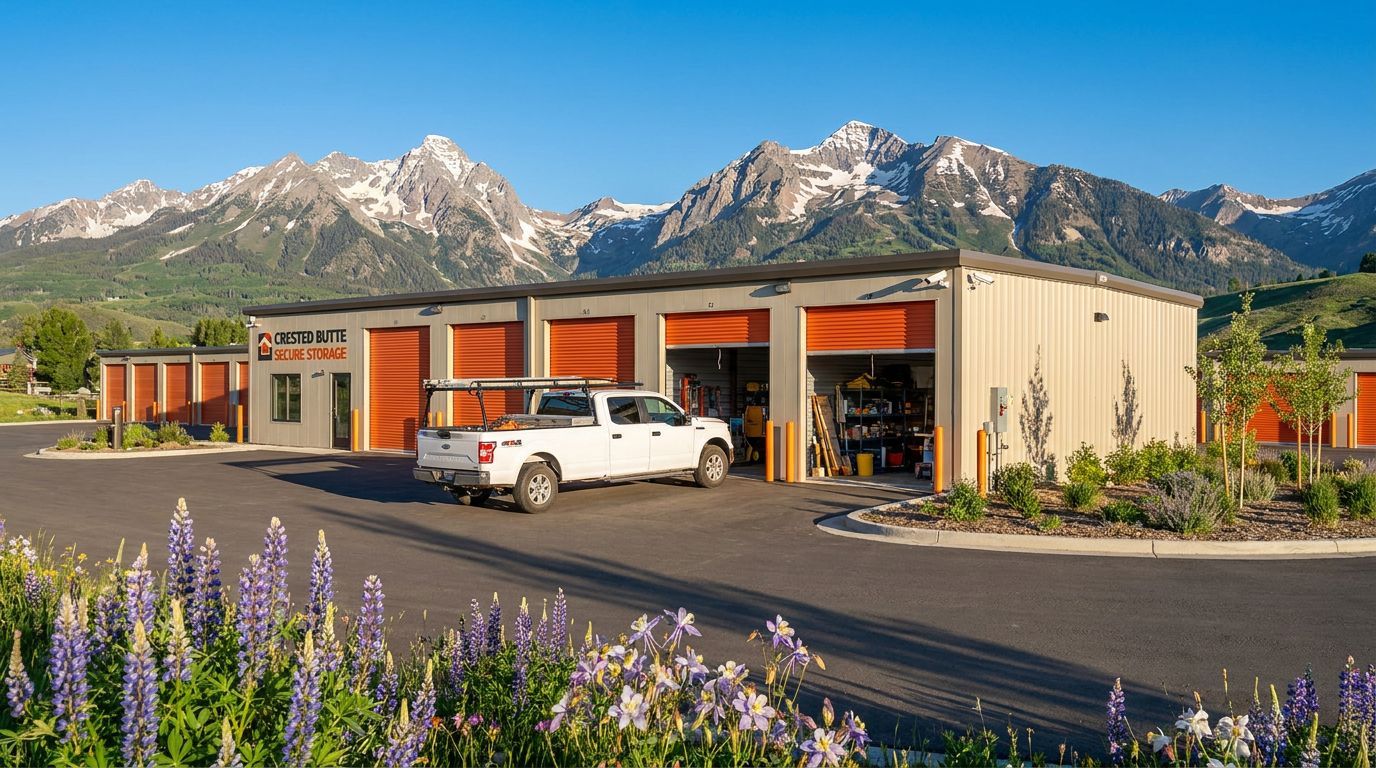
For Crested Butte residents, the Elk Mountain Storage location on Red Lady Avenue provides downtown convenience with drive-up units up to 19 by 35 feet. This facility is ideal for storing boats, ATVs, and snowmobiles alongside seasonal gear. Current promotions include 50 percent off the first month.
The Riverland facility offers interior units ranging from 5x5 to 10x20, perfect for gear that benefits from protection from direct sun exposure. Second-home owners particularly appreciate the Riverland Industrial Park location for its accessibility during weekend visits.
Gunnison-based customers, including Western Colorado University students, find the North Highway 135 location convenient for summer storage between academic years. Drive-up units start at $115 per month for 5x5 spaces.
Frequently Asked Questions
How do I store skis and snowboards for the summer?
Clean bases thoroughly, apply a thick coat of storage wax without scraping, and store flat or standing upright. Loosen binding tensions if possible. Keep equipment in a cool, dry location away from direct sunlight. According to the skiing community on Reddit, leaving storage wax on bases prevents oxidation that causes slow, sticky snow performance.
What size storage unit do I need for bikes, skis, and camping equipment?
A 5x10 unit (50 square feet) accommodates 2 to 4 pairs of skis, 2 to 3 bikes hung vertically, and several bins of camping gear. Families with more extensive collections should consider a 10x10 unit (100 square feet), which provides space for shelving and easier organization.
Is climate-controlled storage worth it for outdoor gear?
Yes, for items sensitive to temperature extremes. Ski boots, down insulation, e-bike batteries, and technical fabrics benefit significantly from stable temperatures between 55 and 80 degrees Fahrenheit. Standard storage works fine for metal-framed bikes, skis with storage wax, and durable camping equipment like cookware and trekking poles.
How do I keep stored gear from getting moldy or damaged?
Ensure all items are completely dry before storage. Use silica gel packets or moisture absorbers in bins containing fabrics and leather. Keep gear off concrete floors using pallets or shelving. Avoid sealing damp items in airtight containers, which traps moisture and accelerates mold growth.
Can I store bikes in a storage unit over winter?
Yes. Clean the drivetrain, lubricate the chain, and store the bike upright to keep suspension seals lubricated. Deflate tires to 20 to 30 PSI to prevent flat spots. Remove e-bike batteries and store them separately at 40 to 60 percent charge in a temperature-controlled environment.
What is the best way to organize seasonal gear in storage?
Install freestanding shelving along walls. Use clear labeled bins organized by activity type. Hang bikes and skis vertically to maximize floor space. Keep frequently accessed items near the front. Maintain an inventory list to track contents and simplify seasonal transitions.
Protect Your Gear Investment
Crested Butte's outdoor lifestyle requires significant gear investments. A typical household owns $5,000 to $15,000 worth of recreational equipment spanning winter and summer activities. Proper seasonal storage protects this investment while keeping your home or rental clutter-free.
Browse all Gunnison Valley storage facilities to find the location closest to your home or vacation property. With six locations across Crested Butte and Gunnison, Discount Self Storage offers convenient options for every seasonal storage need.
|