Storage Unit Discounts: How to Compare Offers and Save Money |
| STORAGE UNIT DISCOUNTS NEAR YOU: HOW TO COMPARE OFFERS AND SAVE
⏱ 12 min read ·
📄 #2,294 words
Learn how to compare storage unit discounts, spot hidden fees, and save 20-50% on monthly rates. Includes pricing comparison tables and negotiation tips.
|
S torage unit discounts typically save renters 20-50% on the first month, with move-in specials ranging from "first month free" to "50% off for three months." The key to maximizing savings is comparing total costs across 6-12 months, not just promotional rates, since facilities often raise prices after introductory periods end.
| Key Points: | |
|---|---|
| • | Move-in specials save 20-50% initially, but compare 12-month total costs to find true savings |
| • | Administrative fees ($15-50), insurance requirements ($10-25/month), and rate increases after month 3-6 add hidden costs |
| • | Month-to-month flexibility lets you switch facilities if rates increase beyond market value |
| • | Locally owned facilities often match competitor pricing and offer more negotiation flexibility than national chains |
| • | Renting during off-peak seasons (October through February) can reduce rates by 10-15% |
Understanding Storage Unit Pricing Structures
Storage unit pricing varies based on unit size, location, amenities, and demand. According to StorageCafe's 2026 market analysis, the national average for a 10x10 unit is $132 per month, though mountain resort areas like Crested Butte and Gunnison, Colorado typically run 15-30% higher due to limited supply and seasonal demand.
Facilities use three primary pricing models: flat-rate monthly pricing, promotional tiered pricing (lower initial rate that increases), and dynamic pricing based on occupancy. Understanding which model a facility uses helps you calculate actual long-term costs before signing a lease.
The Self Storage Association reports that 67% of renters stay longer than originally planned, making it essential to understand how rates change after promotional periods. A facility advertising "$1 first month" may charge $180/month starting in month two, while a competitor offering "$99/month every month" provides better value for rentals exceeding 60 days.
Types of Storage Discounts and What They Actually Mean
Storage facilities offer several discount types, each with different value propositions depending on your rental duration. Knowing the true value of each promotion prevents overpaying after the introductory period ends.
First Month Free or $1 First Month
This promotion provides maximum savings for short-term rentals of 1-3 months. However, facilities typically require a two-month minimum commitment and charge full price (often 10-20% above market rate) starting in month two. Calculate your total cost by adding months 2-12 at the standard rate.
Percentage Discounts (25-50% Off)
Percentage discounts may apply to the first month only, the first three months, or the entire rental period. Always confirm the discount duration in writing. A 50% discount for one month on a $200 unit saves $100, while the same discount for three months saves $300.
Prepay Discounts
Paying 6-12 months upfront often unlocks 5-15% savings on the total rental cost. Extra Space Storage and other national chains offer prepay options, though this locks you into a specific facility regardless of service quality or rate changes elsewhere.
Referral and Loyalty Programs
Existing customers at many facilities receive $25-50 credits for successful referrals. Some operators offer loyalty discounts of 5-10% for tenants who have rented for 12+ months continuously. Ask about these programs during your initial inquiry.
Comparing Storage Offers: A Step-by-Step Framework
Effective comparison requires evaluating more than advertised prices. Use this framework to assess true value across multiple facilities in your area.
Step 1: Calculate Total 12-Month Cost
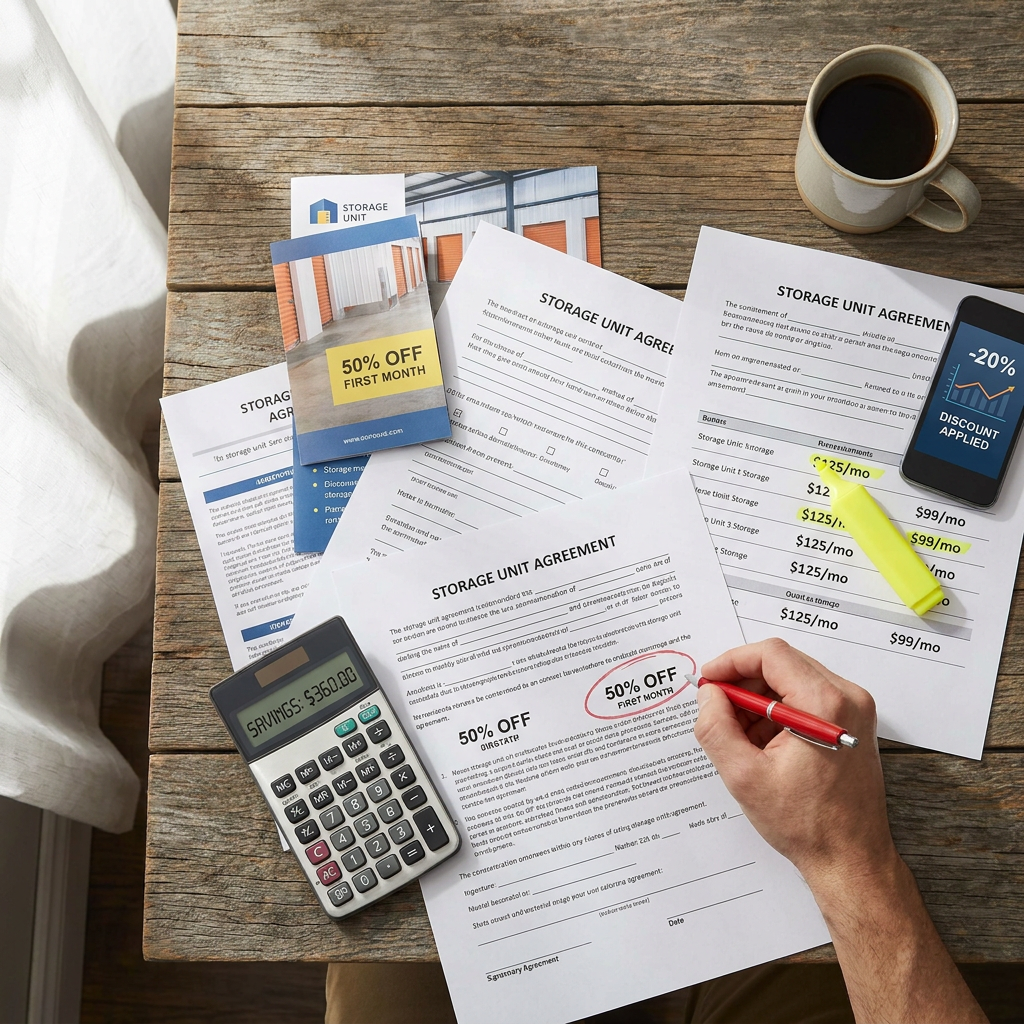
Request the complete pricing schedule from each facility, including promotional rates, standard rates after promotions end, and any scheduled increases. Multiply out the full year to compare apples-to-apples. A "$1 first month" deal with $175 standard pricing costs $1,926 annually, while "$125/month every month" totals $1,500.
Step 2: Identify All Fees
Administrative fees, lock purchases, insurance requirements, and late payment penalties add 10-25% to your base rental cost. Common fees include:
- Administrative/setup fees: $15-50 one-time charge
- Required insurance: $10-25 monthly if you lack renter's coverage
- Lock purchase: $10-20 (some facilities require specific lock types)
- Late fees: $15-50 or 10-20% of monthly rent
- Access card replacement: $10-25
Step 3: Evaluate Included Amenities
A slightly higher base rate may include features that cost extra elsewhere. Climate control, 24-hour access, drive-up convenience, and security monitoring all affect your actual value. For example, Slate River Storage in Crested Butte includes heating in all units, which protects belongings during Colorado winters when temperatures drop below 0°F.
Step 4: Assess Location and Access Convenience
A facility 30 minutes away with lower rates may cost more in time and fuel than a local option. For Crested Butte residents, storing gear locally at facilities like Elk Mountain Storage eliminates the 30-minute drive to Gunnison for each access visit.
Storage Unit Cost Comparison Table
This table illustrates how promotional pricing affects total costs over different rental periods. Numbers represent typical pricing for a 10x10 unit in mountain resort markets.
| Offer Type | Month 1 | Months 2-6 | Months 7-12 | 12-Month Total |
|---|---|---|---|---|
| $1 First Month | $1 | $185/mo | $200/mo | $2,126 |
| 50% Off First 3 Months | $90 | $90 (mo 2-3), $180 (mo 4-6) | $180/mo | $1,890 |
| Flat Rate (No Promo) | $150 | $150/mo | $150/mo | $1,800 |
| Prepay 12 Months (10% Off) | $135/mo effective rate | $1,620 | ||
As this comparison shows, the "$1 first month" promotion actually costs $326 more annually than the flat-rate option with no promotional pricing. Always calculate the full rental period before committing.
Hidden Costs That Inflate Storage Expenses
The Federal Trade Commission recommends consumers request complete fee schedules before signing any rental agreement. Storage facilities must disclose all mandatory fees, but many bury them in lease documents rather than advertising materials.
Rate Increases After Move-In
According to Public Storage, most facilities reserve the right to increase rates with 30-60 days notice. Industry data shows average increases of 8-12% annually, with some facilities raising rates every 6 months. Month-to-month leases provide flexibility to leave if increases exceed market rates.
Mandatory Insurance Requirements
Many facilities require proof of renter's insurance or purchase of their tenant protection plan. These plans typically cost $10-25 monthly and cover $2,000-5,000 in belongings. Your existing renter's or homeowner's policy may already cover stored items, potentially saving $120-300 annually. Review your current policy or ask about tenant protection options that fit your coverage needs.
Access and Convenience Fees
Some facilities charge extra for 24-hour access, elevator use, or cart/dolly rentals. Facilities advertising "24-hour access included" provide better value for renters who need flexible access times. All six Discount Self Storage locations in the Gunnison Valley offer 24-hour access at no additional charge.
Seasonal Timing Strategies for Maximum Savings
Storage demand follows predictable seasonal patterns that affect pricing and availability. Strategic timing can reduce your costs by 10-20% compared to peak-season rentals.
Peak Season (May through September)
Summer months see highest demand due to moving season, college transitions, and vacation home turnover. Occupancy rates at mountain-area facilities often exceed 90% during this period, limiting discount availability. Western Colorado University students drive significant demand in Gunnison each August and May.
Off-Peak Season (October through February)
Winter months typically offer the best promotional rates and widest unit selection. Facilities may offer extended promotional periods or deeper discounts to maintain occupancy during slower months. This timing works well for second-home owners storing furniture between ski seasons.
Shoulder Seasons (March-April, October)
Transitional months offer moderate pricing with good availability. These periods work well for planned moves or seasonal gear storage. The North Gunnison location near Western Colorado University sees increased availability in October when students have settled for the semester.
Negotiation Tactics That Work
Unlike apartment rentals, storage pricing often has flexibility, particularly at locally owned facilities. These strategies help secure better rates or added value.
Request Price Matching
Bring competitor quotes showing lower rates for comparable units. Many facilities will match or beat competitor pricing to secure your business, especially during slower periods. Locally owned operators like those in the Gunnison Valley often have more pricing flexibility than national chains bound by corporate rate structures.
Ask About Unadvertised Specials
Facilities frequently have promotions not listed online. Calling directly or visiting in person often reveals discounts for military personnel, seniors, students, first responders, or long-term commitments. The FAQ page answers common questions, but calling (970) 641-6655 connects you with staff who can discuss current availability and pricing.
Negotiate Move-In Timing
If you can be flexible on your start date, ask if waiting a few days or starting mid-month affects pricing. Some facilities prorate the first month, while others charge full price regardless of start date. Starting on the 15th with prorated billing effectively gives you 50% off month one.
Bundle Services for Discounts
Renting multiple units or adding vehicle storage to a standard unit rental may qualify for package pricing. Facilities with RV and boat storage, like those in Crested Butte offering spaces up to 19x35 feet, often discount combined rentals.
Evaluating Climate Control Value
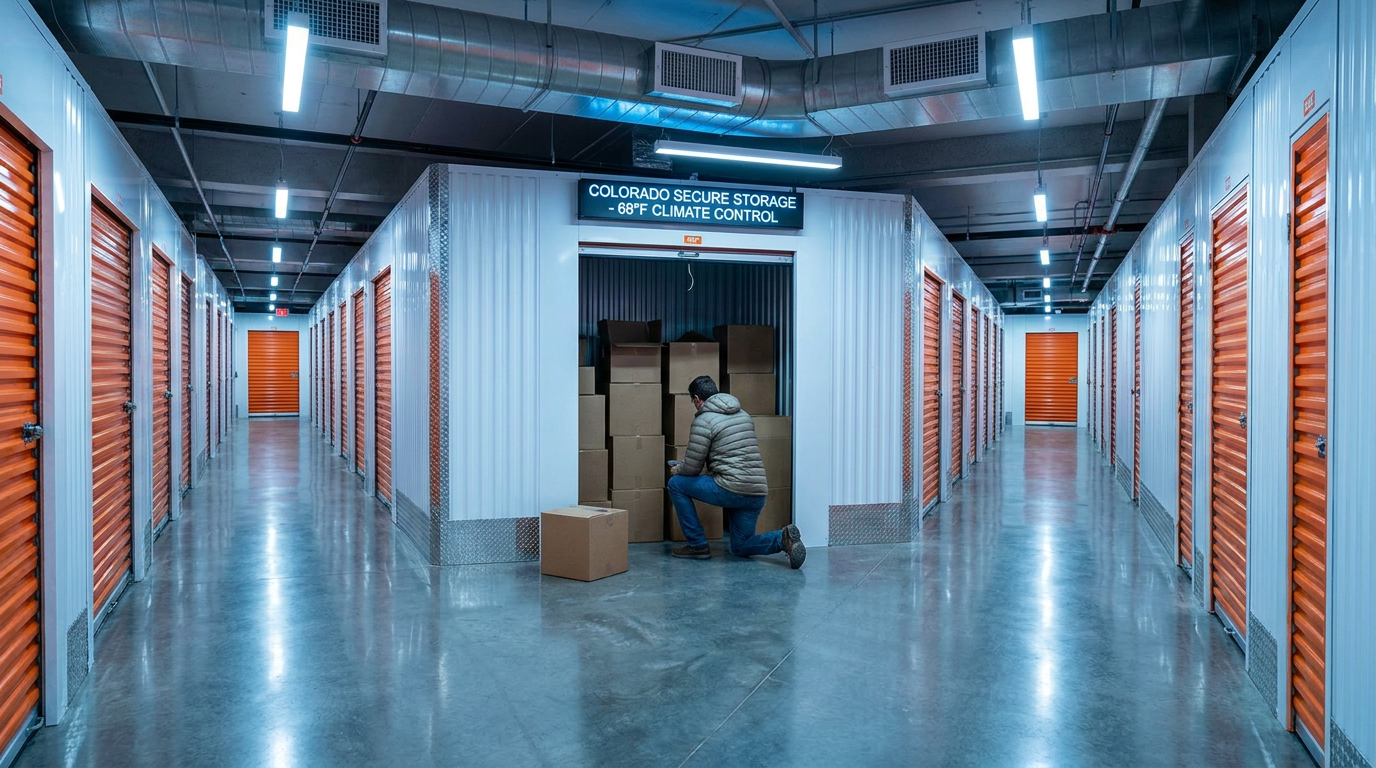
Climate-controlled units cost 25-50% more than standard units but provide essential protection for temperature-sensitive items. In Colorado's mountain communities, where temperatures range from -20°F to 90°F annually, climate control prevents damage to electronics, wood furniture, photographs, and musical instruments.
Standard units work well for items unaffected by temperature fluctuations: metal tools, outdoor equipment, seasonal decorations in sealed containers, and sturdy furniture. Heated units at facilities like Slate River Storage maintain temperatures above freezing, protecting items from the freeze-thaw cycles that damage many materials.
Calculate the replacement cost of temperature-sensitive items against the annual premium for climate control. If you're storing $5,000 worth of electronics and furniture, paying an extra $600-1,200 annually for climate control represents reasonable insurance against damage.
Size Selection: Avoiding Overpaying for Unused Space
Renting more space than needed wastes 20-40% of your storage budget. Use the storage unit size guide to match your belongings to the right unit dimensions.
Common Size Guidelines
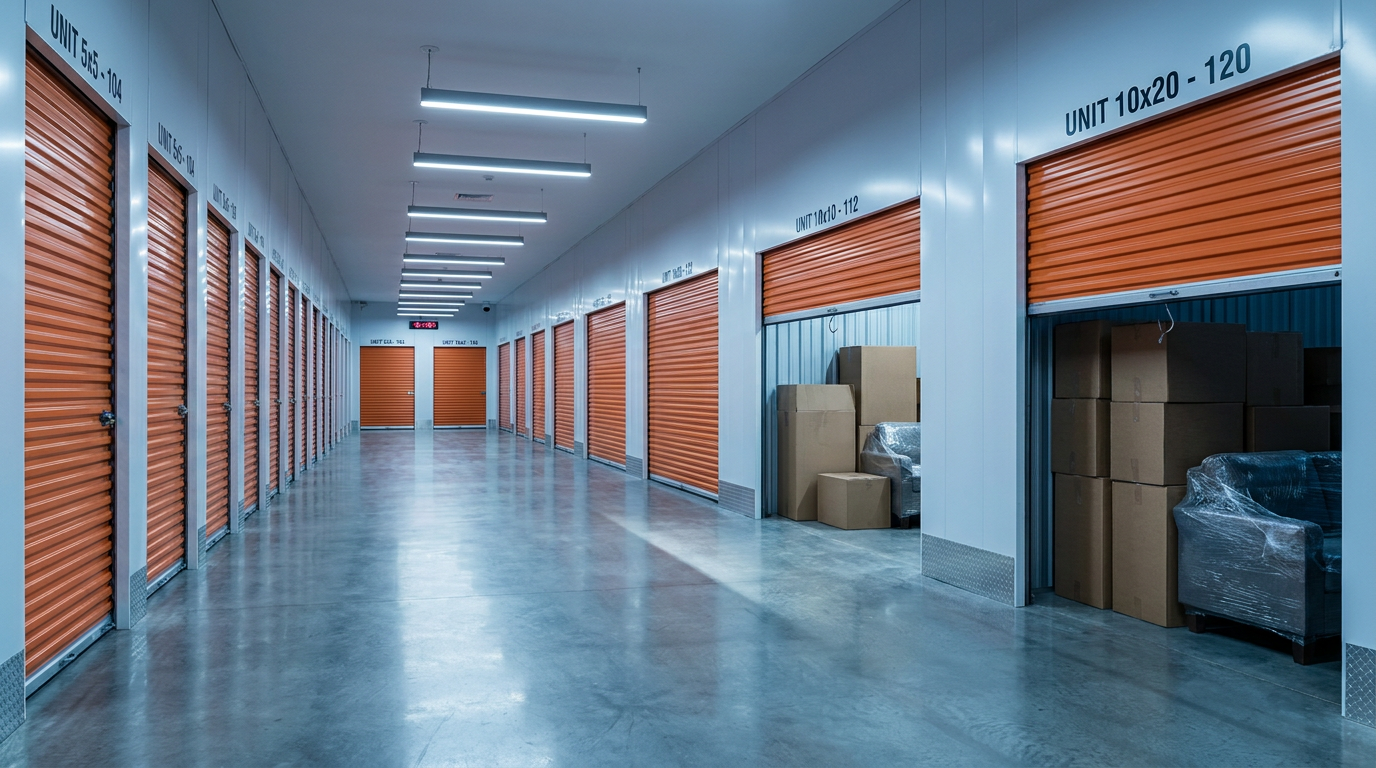
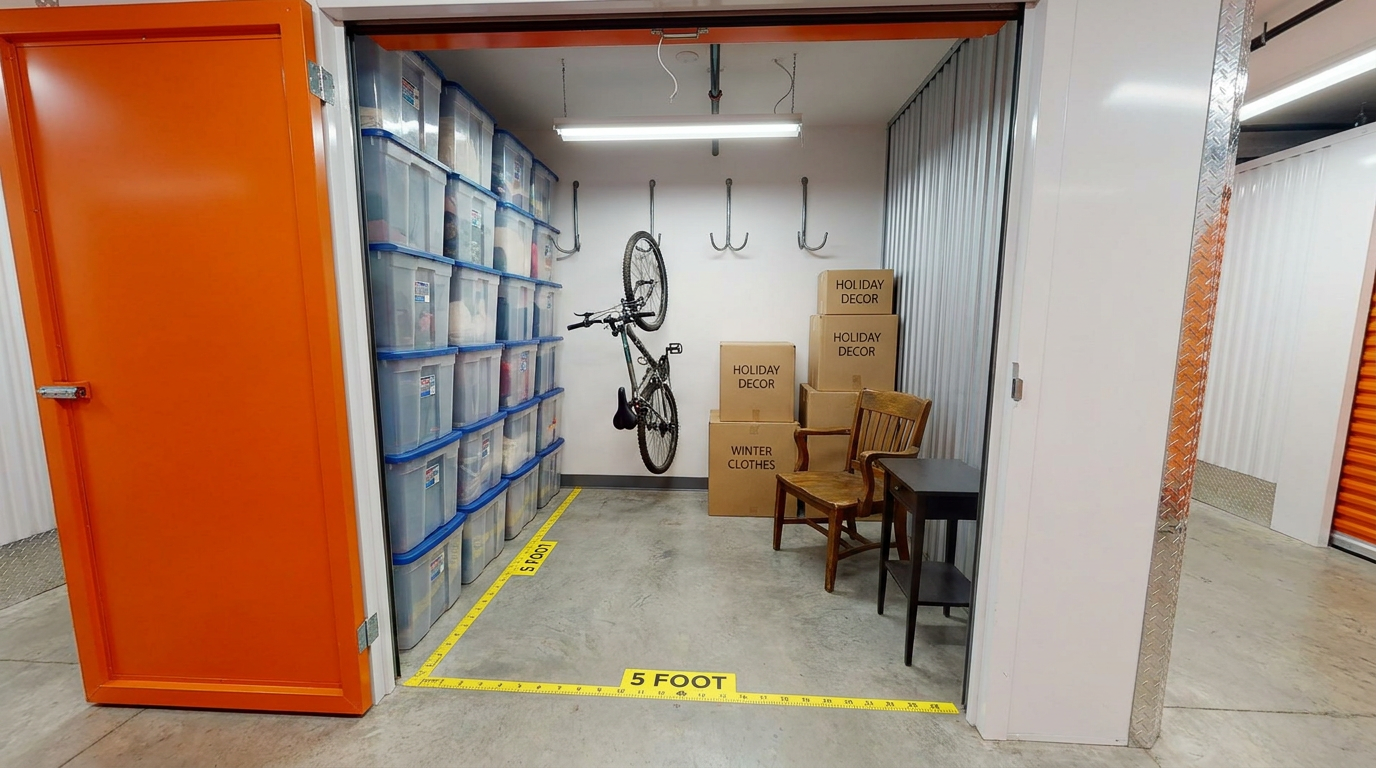
- 5x5 (25 sq ft): Small closet equivalent; boxes, seasonal items, small furniture
- 5x10 (50 sq ft): Walk-in closet; one-bedroom apartment contents
- 10x10 (100 sq ft): Half garage; two-bedroom home contents
- 10x20 (200 sq ft): Full garage; three to four-bedroom home contents or vehicle storage
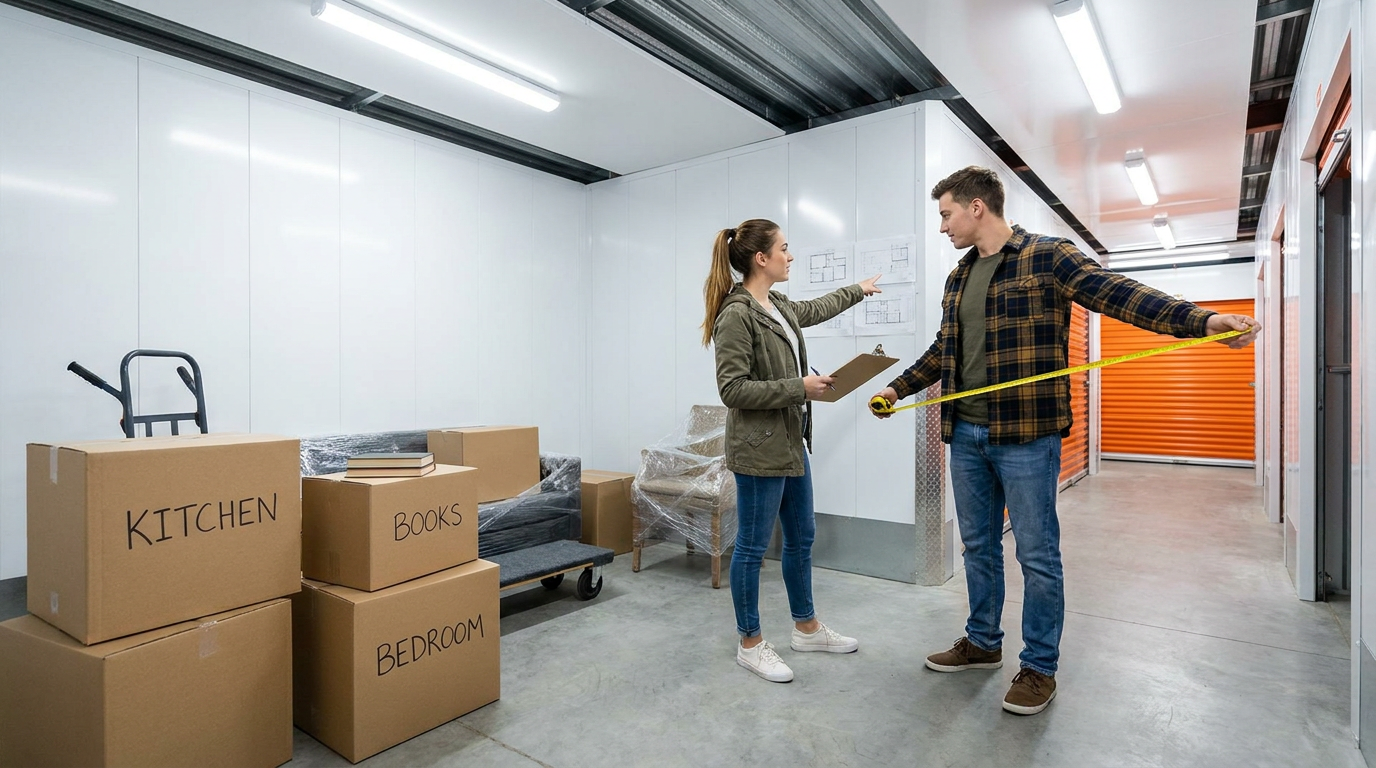
When in doubt, visit the facility to see unit sizes in person. Many renters overestimate their needs by one size category, paying $50-100 extra monthly for space they never use.
Local vs. National Chain Comparison
Both locally owned facilities and national chains offer distinct advantages. Understanding these differences helps you choose the right fit for your situation.
| Factor | National Chains | Locally Owned |
|---|---|---|
| Pricing Flexibility | Corporate rate structures, limited negotiation | Owner discretion, more negotiation room |
| Promotional Offers | Aggressive first-month deals, higher standard rates | Moderate promotions, competitive ongoing rates |
| Rate Increases | Algorithmic, frequent (every 3-6 months) | Less frequent, often annually |
| Customer Service | Call centers, standardized responses | Direct owner/manager contact, personalized service |
| Location Coverage | Urban and suburban focus | Often serve smaller communities and rural areas |
In mountain communities like Crested Butte and Gunnison, locally owned facilities often provide the only convenient options. Discount Self Storage operates six facilities across the Gunnison Valley, offering options that national chains don't serve in these smaller markets.
Questions to Ask Before Signing a Lease
Prepare these questions before visiting or calling any storage facility. The answers reveal true costs and policies that affect your rental experience.
- What is the rate after the promotional period ends? Get this in writing before signing.
- How often do you raise rates, and by how much on average? Ask for historical data if available.
- What fees apply beyond the monthly rent? Request a complete fee schedule.
- Is insurance required, and can I use my own policy? Verify coverage requirements.
- What is your notice period for rate increases? Standard is 30-60 days.
- Can I switch unit sizes if my needs change? Understand transfer policies and fees.
- What happens if I need to break my lease early? Know termination terms upfront.
- Is 24-hour access included or extra? Confirm access hours match your needs.
Red Flags to Avoid
Certain practices indicate a facility may not provide good value or service. Watch for these warning signs during your search.
- Reluctance to provide written rate schedules: Legitimate facilities document all pricing
- Pressure to sign immediately: Quality facilities allow time for comparison shopping
- Extremely low promotional rates with vague standard pricing: Often indicates significant post-promotion increases
- Poor facility maintenance: Indicates potential security and pest issues
- No month-to-month option: Limits your flexibility if service or pricing disappoints
- Negative reviews mentioning unexpected rate increases: Research Google and Yelp reviews before committing
Frequently Asked Questions
How much can I realistically save with storage discounts?
First-month promotions typically save $50-200 depending on unit size. Over 12 months, strategic facility selection and timing can reduce total costs by 15-25% compared to renting at peak season without comparing options. The biggest savings come from choosing the right unit size and avoiding facilities with frequent rate increases.
Are "first month free" deals worth it?
For rentals under 3 months, first-month-free promotions often provide the best value. For longer rentals, calculate the 12-month total cost. Facilities offering consistent pricing without aggressive promotions frequently cost less over 6-12 month periods.
Should I rent a climate-controlled unit to save money?
Climate control costs more upfront but prevents expensive damage to sensitive items. In Colorado's mountain climate, heated storage protects against freeze damage that can destroy electronics, musical instruments, and wood furniture worth far more than the annual premium.
Can I negotiate storage rates?
Yes, particularly at locally owned facilities. Bring competitor quotes, ask about unadvertised specials, and inquire about discounts for prepayment, military service, or student status. Facilities with lower occupancy have more negotiation flexibility.
When is the best time to rent a storage unit?
October through February typically offers the best rates and availability. Avoid May through August when moving season and college transitions drive peak demand. If you must rent during peak season, book 2-3 weeks ahead to secure availability.

|