How to Choose Storage Unit Size: Room-by-Room Calculation |
| HOW TO CHOOSE STORAGE UNIT SIZE: ROOM-BY-ROOM CALCULATION METHOD
⏱ 10 min read ·
📄 #1,819 words
Calculate your ideal storage unit size using our room-by-room method. Learn square footage needs for each room, compare unit sizes, and avoid overpaying.
|
C alculate your storage unit size by adding 50 square feet for each fully furnished room you need to store. A one-bedroom apartment requires approximately 100-150 square feet (a 10x10 or 10x15 unit), while a three-bedroom home needs 200-300 square feet (a 10x20 or 10x30 unit). This room-by-room method prevents both overpaying for unused space and cramming belongings into undersized units.
| Key Points: | |
|---|---|
| • | Budget 50 square feet per fully furnished room as your baseline calculation |
| • | Add 25% extra space for walkways and future access to items |
| • | Standard 10x10 units (100 sq ft) hold contents of a typical one-bedroom apartment |
| • | Climate-controlled units cost $50-150 more monthly but protect furniture and electronics |
| • | Measure large items (sofas, mattresses, appliances) before selecting your unit size |
The Room-by-Room Calculation Formula
The Self Storage Association reports that 65% of renters choose the wrong size unit on their first attempt. Most overestimate by one size category, wasting $30-75 monthly. The room-by-room method eliminates guesswork by assigning specific square footage values to each area of your home.
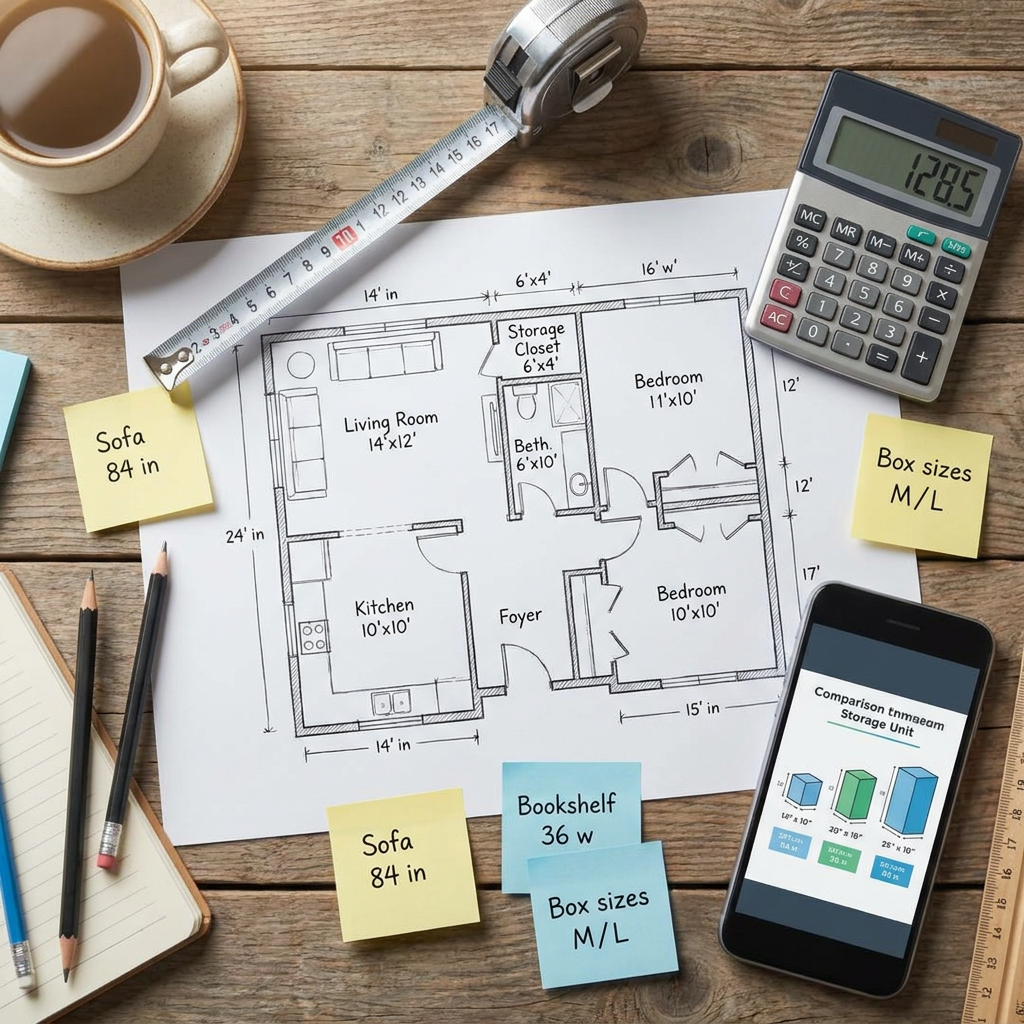
Start with this baseline formula: multiply the number of furnished rooms by 50 square feet. A studio apartment with combined living and sleeping areas needs roughly 50-75 square feet. A four-bedroom house with a garage full of tools requires 300-400 square feet minimum.
According to Extra Space Storage's size guide, the average American household stores 300 cubic feet of belongings per room. Converting this to floor space (assuming 8-foot ceilings and proper stacking) yields approximately 40-60 square feet per room.
Square Footage by Room Type
Different rooms contain different densities of belongings. A master bedroom with a king bed, two nightstands, and a dresser requires more space than a guest room with a twin bed and small desk. Use these specific calculations for accuracy.
| Room Type | Square Feet Needed | Typical Contents |
|---|---|---|
| Master Bedroom | 60-75 sq ft | King/queen bed, dresser, nightstands, clothing boxes |
| Standard Bedroom | 40-50 sq ft | Full/twin bed, small dresser, desk, boxes |
| Living Room | 70-100 sq ft | Sofa, loveseat, coffee table, TV stand, entertainment center |
| Dining Room | 40-60 sq ft | Table, 4-6 chairs, china cabinet or buffet |
| Kitchen (boxes only) | 25-40 sq ft | Small appliances, dishes, cookware, pantry items |
| Home Office | 30-50 sq ft | Desk, office chair, filing cabinets, bookshelves |
| Garage (partial) | 50-100 sq ft | Tools, lawn equipment, sports gear, seasonal items |
Storage Unit Sizes Explained
Storage facilities like Public Storage, Extra Space Storage, and local operators such as Discount Self Storage offer units ranging from 25 to 300+ square feet. Understanding what fits in each size prevents costly mistakes. As noted by SpareFoot's measurement guide, units are measured by floor dimensions, not cubic footage.
Small Units: 5x5 to 5x10 (25-50 Square Feet)
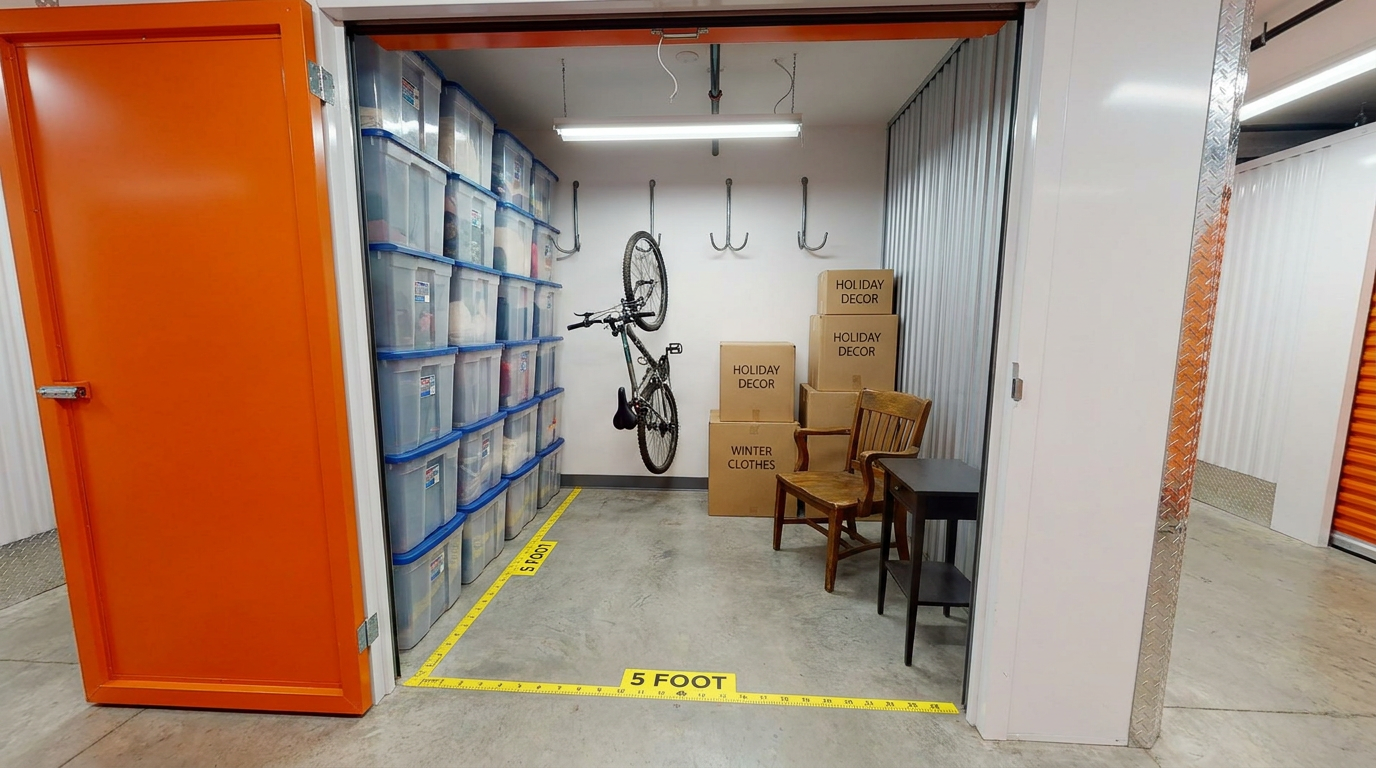
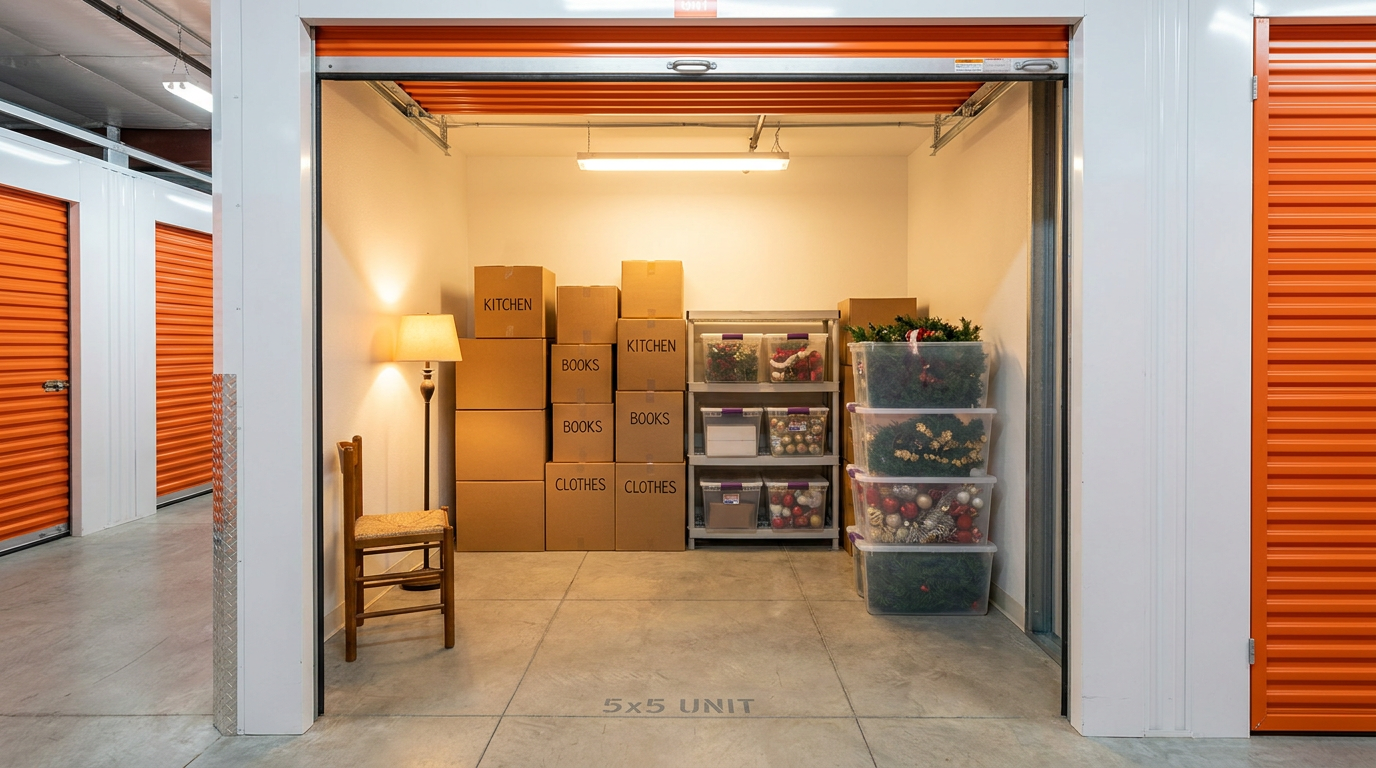
A 5x5 unit equals a standard closet. It holds 10-15 medium boxes, a few small furniture pieces, or seasonal items like holiday decorations and ski equipment. Cost ranges from $50-125 monthly depending on location and climate control.
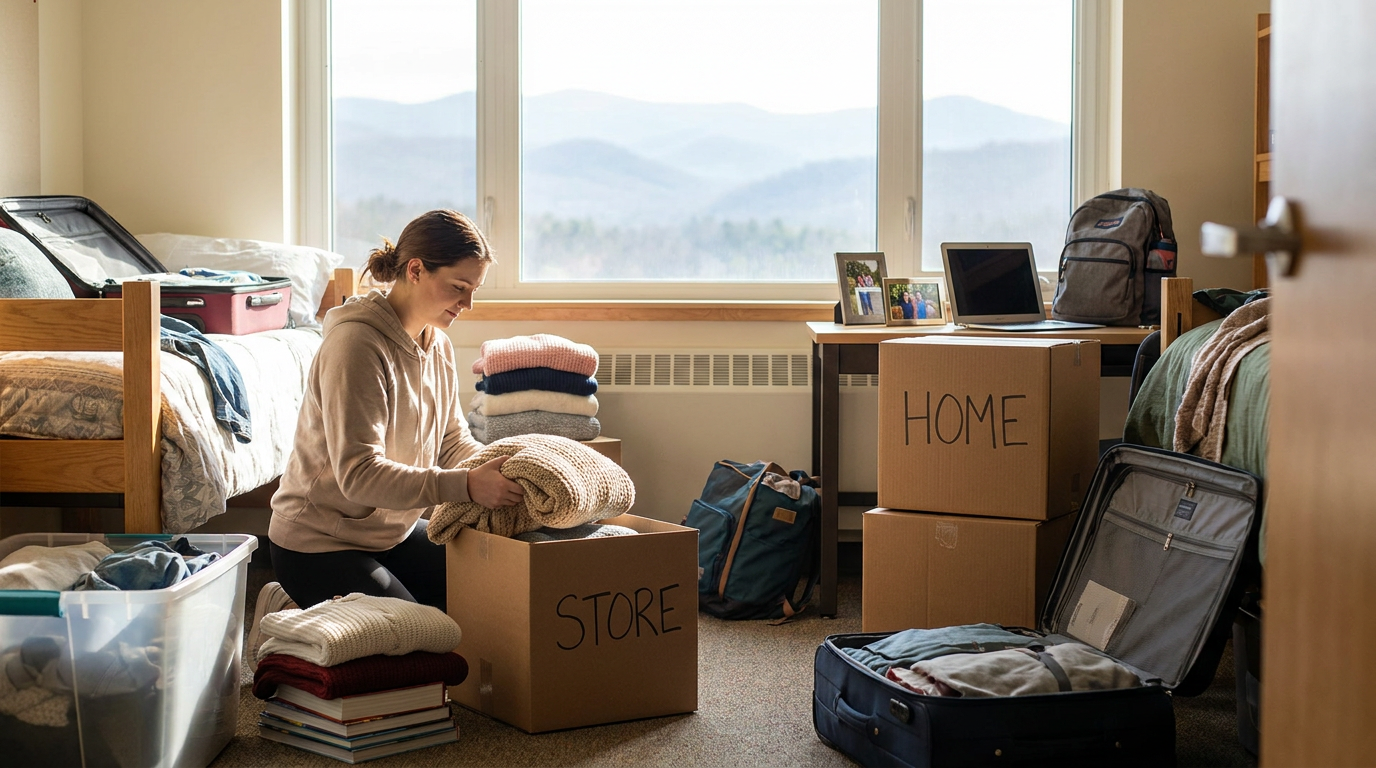
The 5x10 size (50 square feet) accommodates a studio apartment's contents or one fully furnished bedroom. This size works well for Western Colorado University students storing dorm furniture over summer break. Expect to pay $75-175 monthly.
Medium Units: 10x10 to 10x15 (100-150 Square Feet)
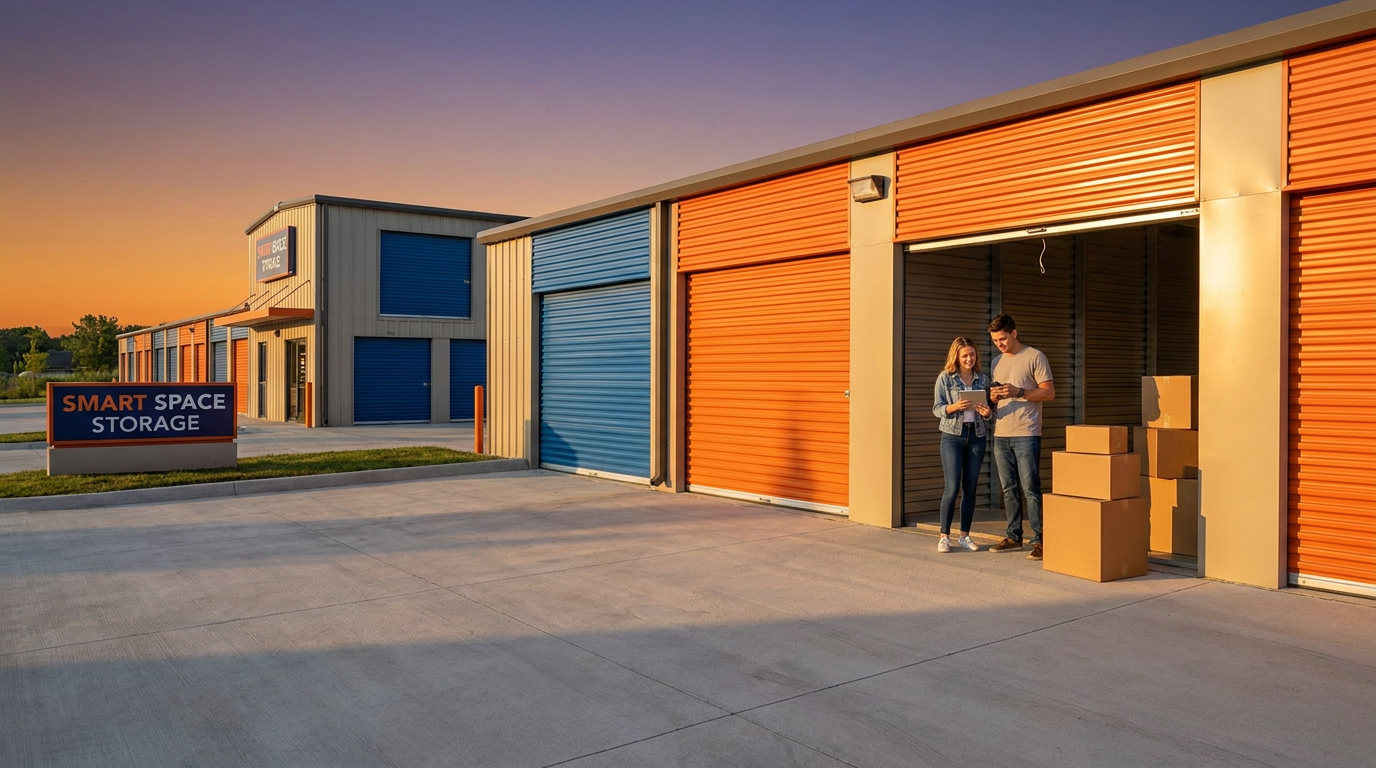
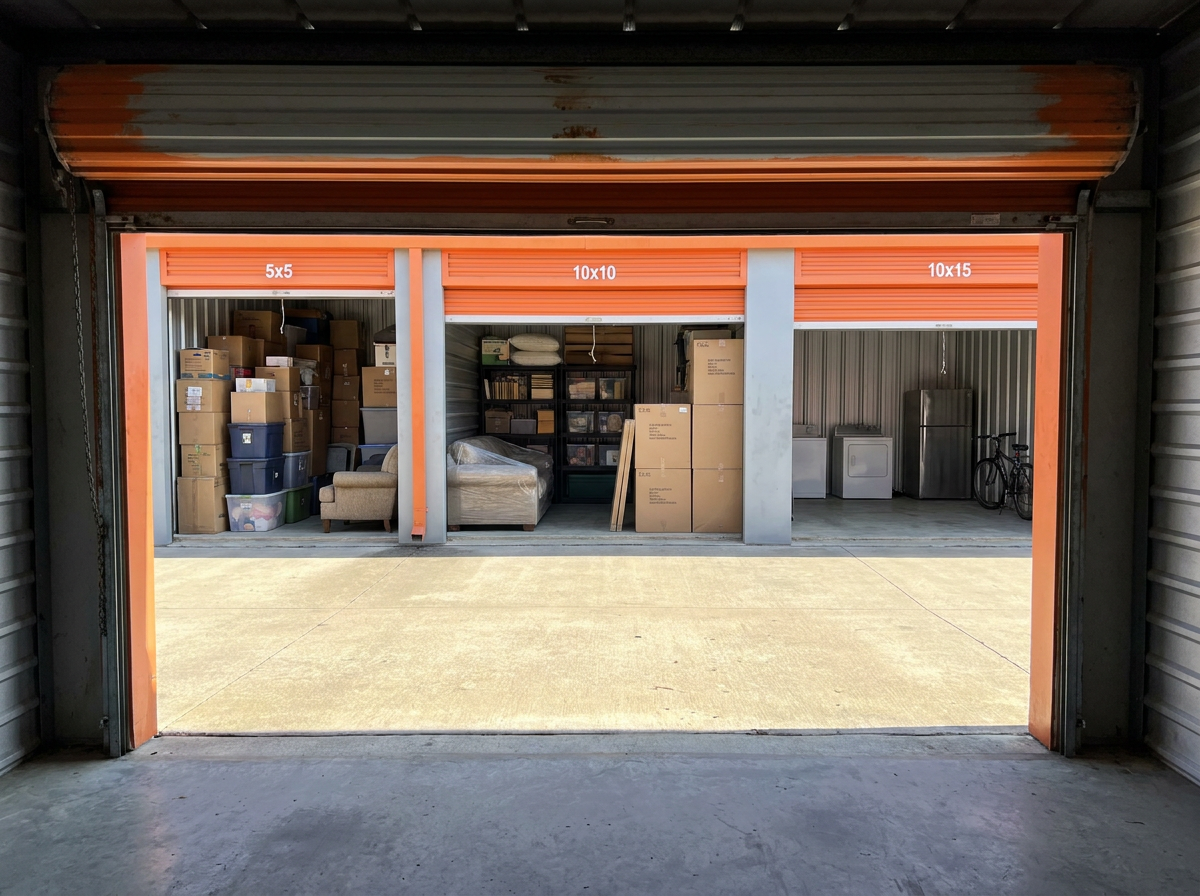
The 10x10 unit represents the most popular size nationwide, holding contents equivalent to a one-bedroom apartment or small office. According to Public Storage's unit guide, this size fits a sofa, dining set, bedroom furniture, and 20-30 boxes.
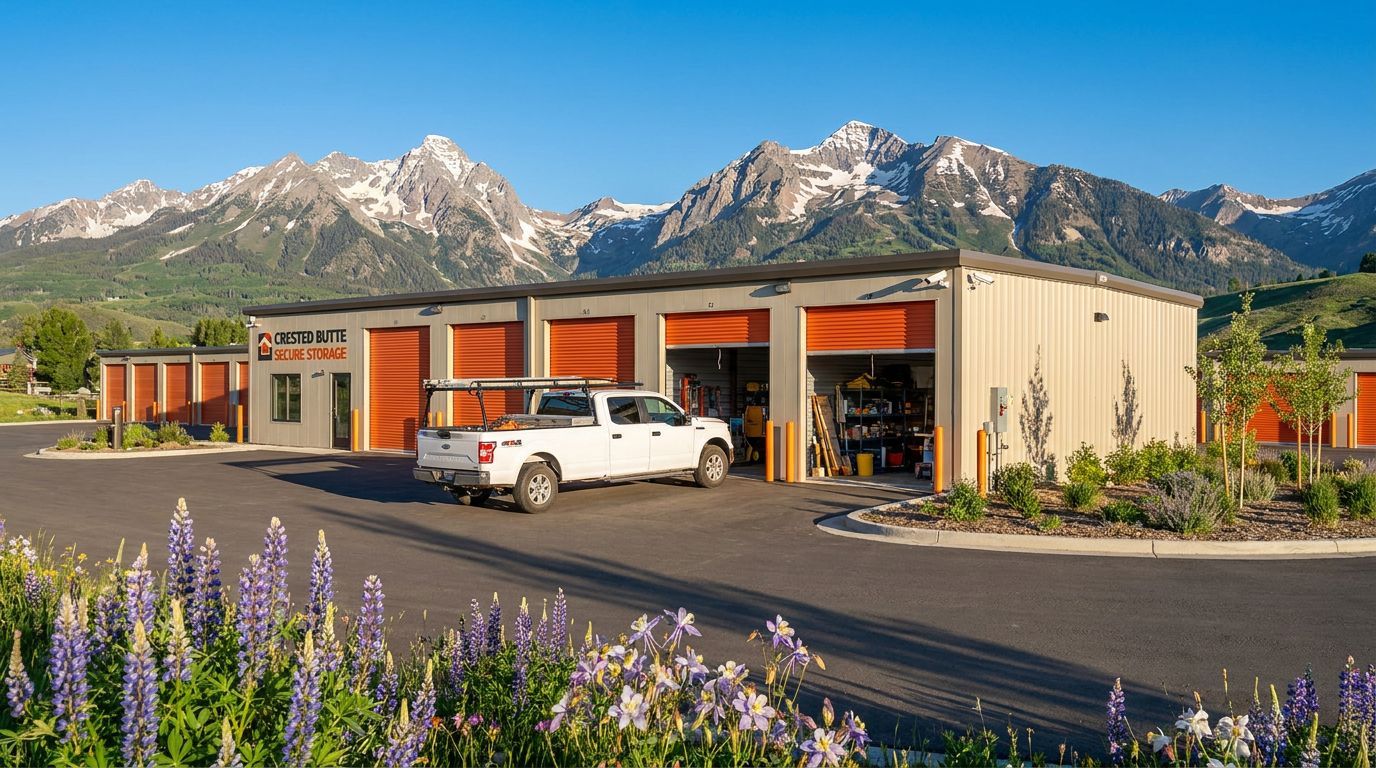
At 150 square feet, the 10x15 handles two-bedroom apartments or homes with moderate furnishings. Second-home owners in mountain communities like Crested Butte and Gunnison often choose this size for between-visit storage of furniture, recreational gear, and seasonal items. Monthly costs range from $150-300.
Large Units: 10x20 to 10x30 (200-300 Square Feet)
A 10x20 unit provides garage-equivalent space, fitting contents of a three-bedroom home or a vehicle plus household items. This size accommodates full-size sofas, multiple bedroom sets, appliances, and 50+ boxes. Pricing typically runs $200-425 monthly.
The 10x30 size (300 square feet) handles four to five bedroom homes or combines vehicle storage with substantial household contents. For larger vehicles, RVs, or boats, specialized facilities offer units up to 19x35 feet (665 square feet).
Practical Calculation Examples
Theory becomes practical through real scenarios. These examples demonstrate the room-by-room method applied to common storage situations in the Gunnison Valley area.
Example 1: College Student Summer Storage
A Western Colorado University student needs to store dorm contents: twin bed frame, small desk, mini fridge, and 8 boxes of clothing and books. Calculation: 30 square feet for bedroom items plus 10 square feet for boxes equals 40 square feet. A 5x10 unit (50 square feet) provides adequate space with room for access. Monthly cost: approximately $95-125.
Example 2: Two-Bedroom Apartment Contents
A renter relocating stores complete apartment contents: master bedroom (60 sq ft), second bedroom (45 sq ft), living room (80 sq ft), kitchen boxes (30 sq ft). Total: 215 square feet. Adding 25% for access aisles: 269 square feet. Recommended unit: 10x20 (200 sq ft with efficient stacking) or 10x25 if available.
Example 3: Seasonal Gear and Recreational Equipment
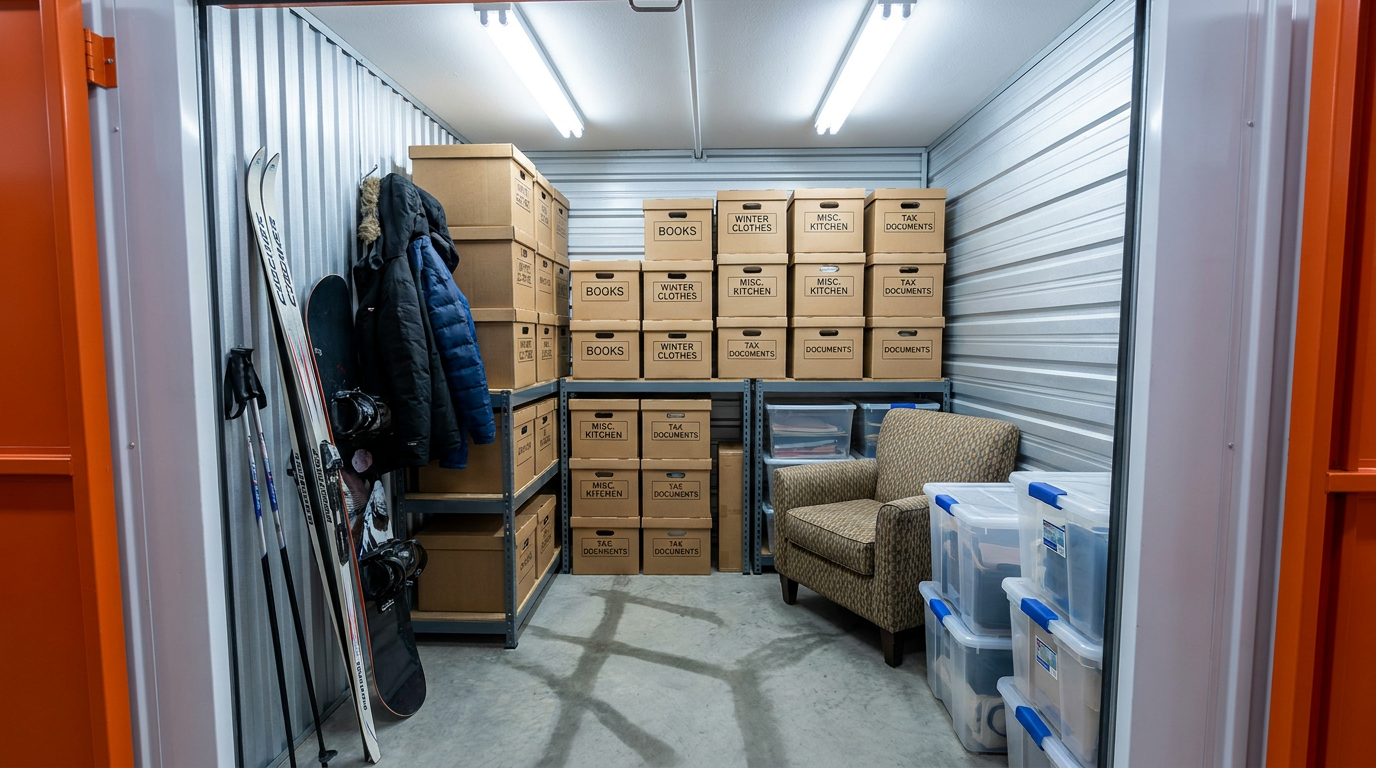
A Crested Butte second-home owner stores skis, snowboards, mountain bikes, kayak, and seasonal furniture. Large recreational items: 75 square feet. Seasonal furniture and boxes: 50 square feet. Total: 125 square feet. A 10x15 unit accommodates everything with room for organization. Our storage unit size guide provides visual references for these scenarios.
Are 10x10 Storage Units Actually 10x10?
Industry standards allow for slight variations in advertised dimensions. A unit listed as 10x10 may measure 9'6" x 10'2" or similar configurations that yield approximately 100 square feet. Wall thickness, door frames, and construction tolerances account for these differences.
The Self Storage Association permits up to 5% variance from advertised dimensions. A 10x10 unit could legally measure as small as 95 square feet. When precision matters, request exact measurements from the facility before signing a lease.
Ceiling height also affects usable space. Standard units offer 8-foot ceilings, while some facilities provide 9 or 10-foot heights. Higher ceilings increase cubic footage by 12-25% without changing the floor footprint, allowing better vertical stacking.
What Fits in a 20x20 Storage Unit?
A 20x20 unit provides 400 square feet of floor space, equivalent to a large two-car garage. This size accommodates the complete contents of a four to five bedroom home, including major appliances, multiple vehicles, or commercial inventory.
Specific capacity for a 20x20 unit includes: 3-4 complete bedroom sets, full living and dining room furniture, washer and dryer, refrigerator, 100+ boxes, and still leaves room for a vehicle or boat. Businesses use this size for inventory storage, contractor equipment, or seasonal merchandise.
Monthly costs for 20x20 units range from $300-600 depending on location and features. Climate-controlled versions in mountain communities command premium pricing due to protection against temperature extremes.
Climate Control Considerations for Colorado Storage
Mountain communities experience temperature swings from -20°F in winter to 90°F in summer. Standard units expose belongings to these extremes, potentially damaging wood furniture, electronics, photographs, and leather goods.
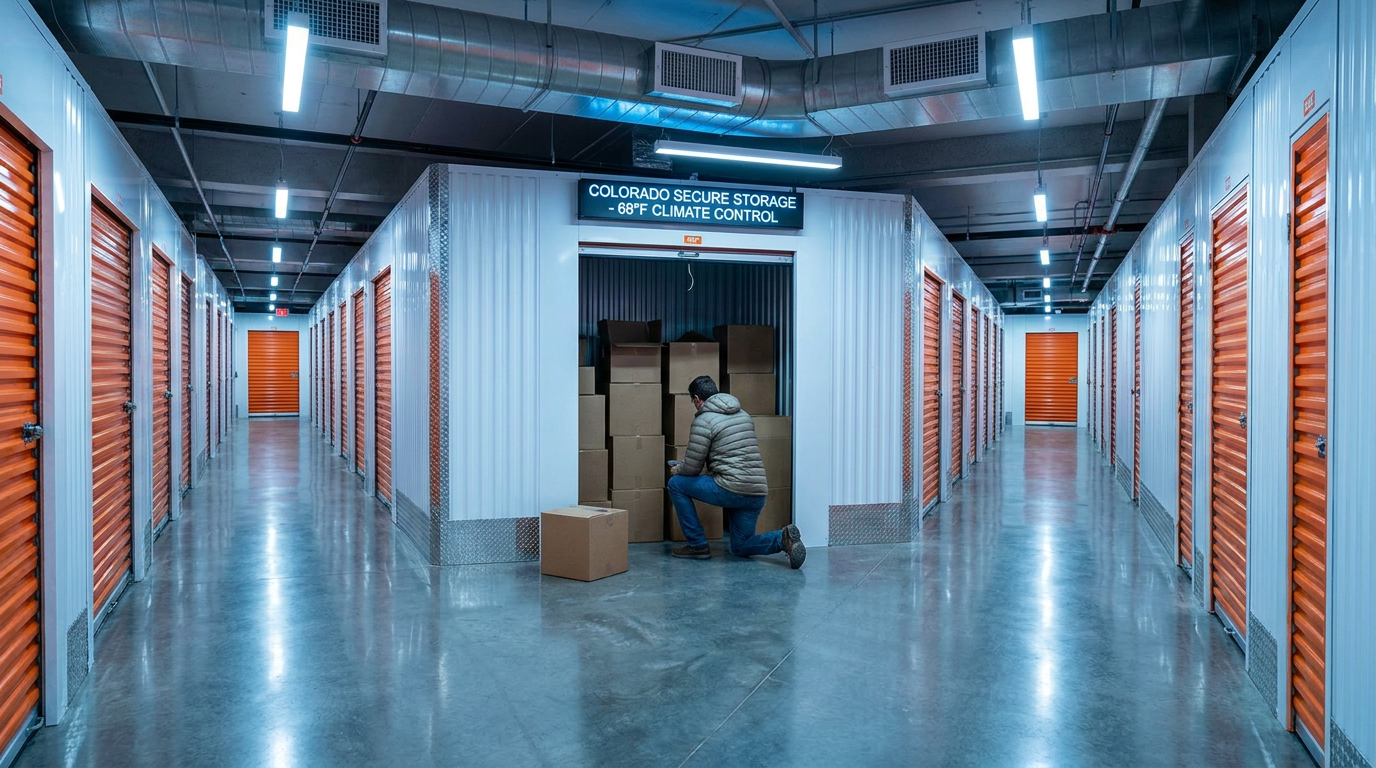
Climate-controlled units maintain temperatures between 55-80°F year-round. According to Move.org's storage guide, items requiring climate control include: wooden furniture, electronics, musical instruments, artwork, wine, photographs, and documents.
Facilities like Slate River Storage in Crested Butte offer heated units that protect belongings through harsh Colorado winters. The additional cost of $50-150 monthly prevents thousands in potential damage to sensitive items.
Adjusting Your Calculation for Special Items
Standard room calculations assume typical household furniture. Oversized items, collections, or unusual belongings require adjustments to your square footage estimate.
Large Furniture Adjustments
Sectional sofas measuring 10+ feet require 30-40 square feet alone. Grand pianos need 35-50 square feet plus climate control. Pool tables (disassembled) occupy 25-35 square feet. Measure these items individually and add to your room-by-room total.
Vehicle and Recreational Equipment
Standard cars need 10x20 units minimum. Trucks and SUVs require 10x25 or larger. Boats, RVs, and trailers demand specialized parking or oversized units. Facilities across Gunnison and Crested Butte offer RV and boat storage with drive-up access for convenient loading.
Business Inventory
Commercial storage requires different calculations. Retail inventory stacks efficiently, allowing more items per square foot. Office furniture and equipment follows residential formulas. Document storage boxes stack to ceiling height, maximizing vertical space.
Common Sizing Mistakes to Avoid
First-time renters consistently make predictable errors. Awareness of these mistakes saves money and frustration.
Forgetting access space: Packing a unit wall-to-wall prevents reaching items in the back. Reserve 15-25% of floor space for walkways. A 10x10 unit should hold roughly 75-85 square feet of actual belongings.
Ignoring vertical space: Stacking boxes and furniture doubles effective capacity. Invest in sturdy shelving units for small items. Place heavy furniture on the bottom, lighter boxes on top.
Underestimating garage contents: Garages accumulate more than people realize. Tools, holiday decorations, sports equipment, and lawn care items often require a dedicated 5x10 unit separate from household contents.
Choosing based on price alone: A $50 monthly savings on a smaller unit becomes costly when items get damaged from overcrowding or when you need a second unit. Size slightly larger than calculated minimums.
Drive-Up vs. Interior Units
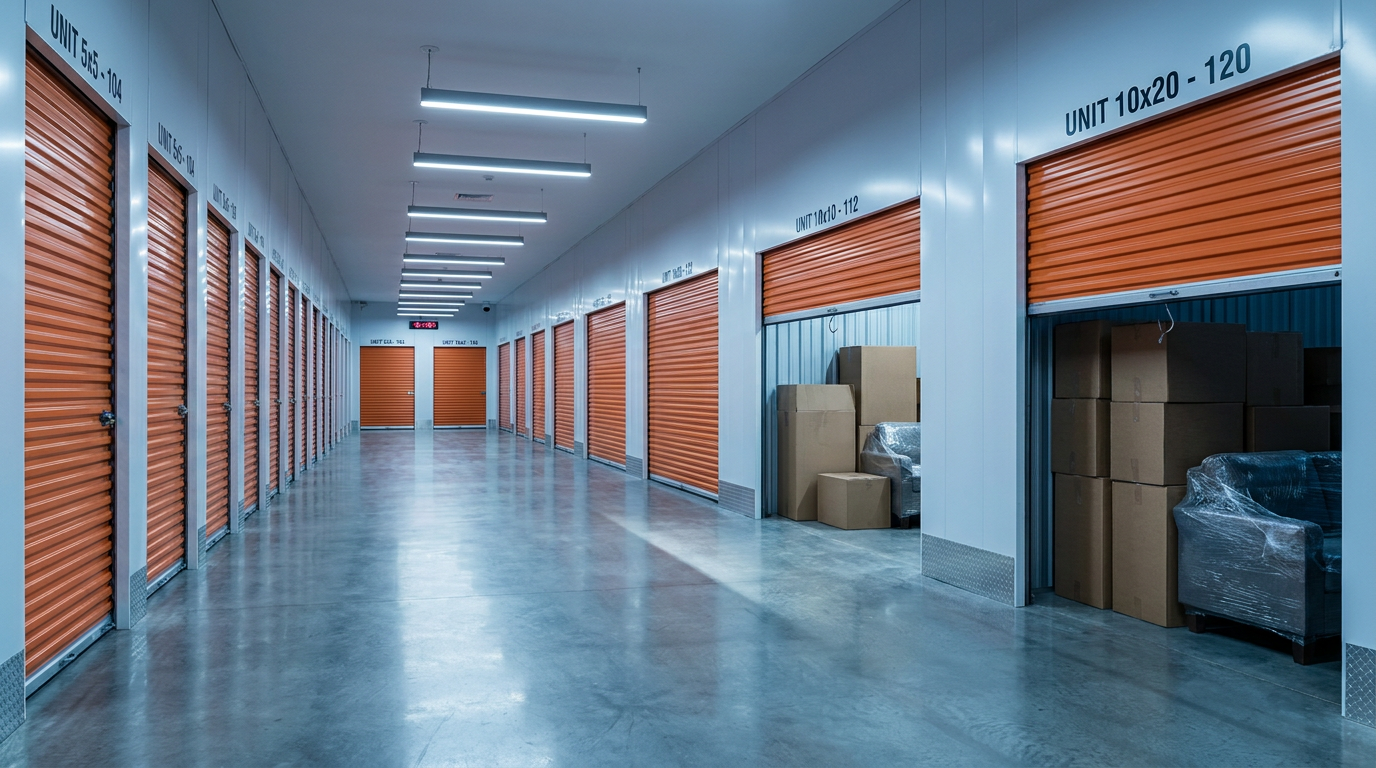
Unit accessibility affects practical usable space. Drive-up units allow vehicle access directly to your door, simplifying loading of heavy items. Interior units require carrying items through hallways and elevators.
For furniture, appliances, and frequent access needs, drive-up units provide significant advantages. The Airport location in Gunnison offers drive-up units with wide aisles for easy maneuvering of trucks and trailers.
Interior units often cost less and provide better protection from weather. Second-floor interior units at facilities throughout the Gunnison Valley work well for boxes, seasonal items, and belongings that do not require frequent access.
Making Your Final Decision
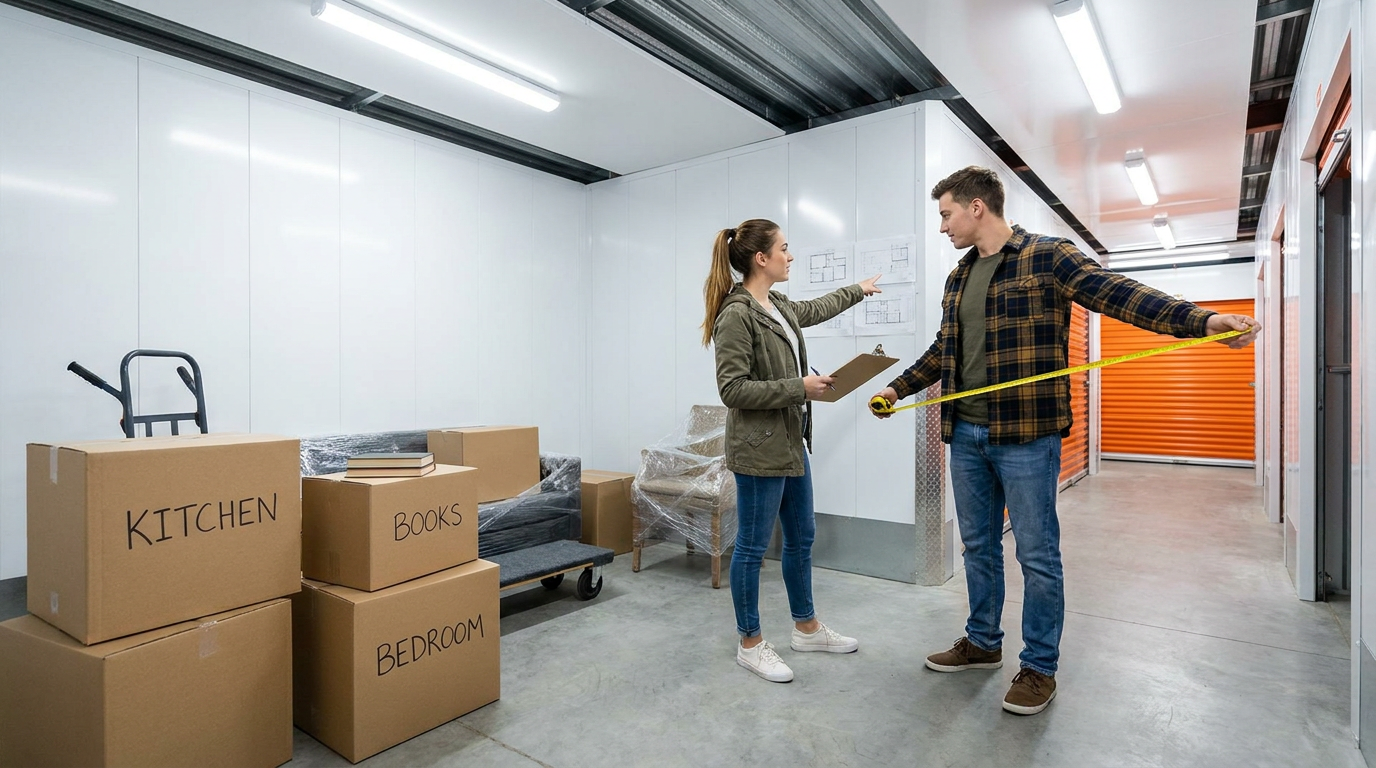
After calculating your room-by-room total, visit potential facilities to see units in person. Bring measurements of your largest items. Ask about ceiling height, door width, and any obstructions inside the unit.
Most facilities offer month-to-month leases, allowing size changes if your initial choice proves incorrect. Starting slightly larger than calculated provides flexibility without significant cost increase. Browse all Gunnison Valley storage facilities to compare sizes and features.
Request a walkthrough of available units in your target size range. Lighting, cleanliness, and ease of access vary between facilities. Check our storage FAQ for answers to common questions about access hours, payment options, and lease terms.
Protecting Your Stored Belongings
Proper sizing represents only part of successful storage. Protection plans cover losses from burglary, fire, water damage, and other risks. Review tenant protection options before finalizing your rental.
Quality packing materials prevent damage regardless of unit size. Use sturdy boxes, furniture covers, and moisture absorbers. Label boxes clearly and create an inventory list for insurance purposes.
|