Discount Storage Units Near Me: Compare Value, Sizes, Features |
| DISCOUNT STORAGE UNITS NEAR ME: HOW TO COMPARE VALUE, SIZES, AND FEATURES
⏱ 10 min read ·
📄 #1,912 words
Learn how to compare discount storage units by value, size, and features. Find the right unit for your budget with this complete guide to smart storage decisions.
|
C omparing discount storage units requires evaluating three factors: cost per square foot (typically $0.75 to $2.50), unit dimensions matched to your inventory, and essential features like climate control, drive-up access, and security systems. The cheapest unit is rarely the best value; a properly sized unit with the right features prevents damage and repeat trips.
| Key Points: | |
|---|---|
| • | Calculate cost per square foot by dividing monthly rent by unit size; aim for $1.00 to $1.50 for standard units |
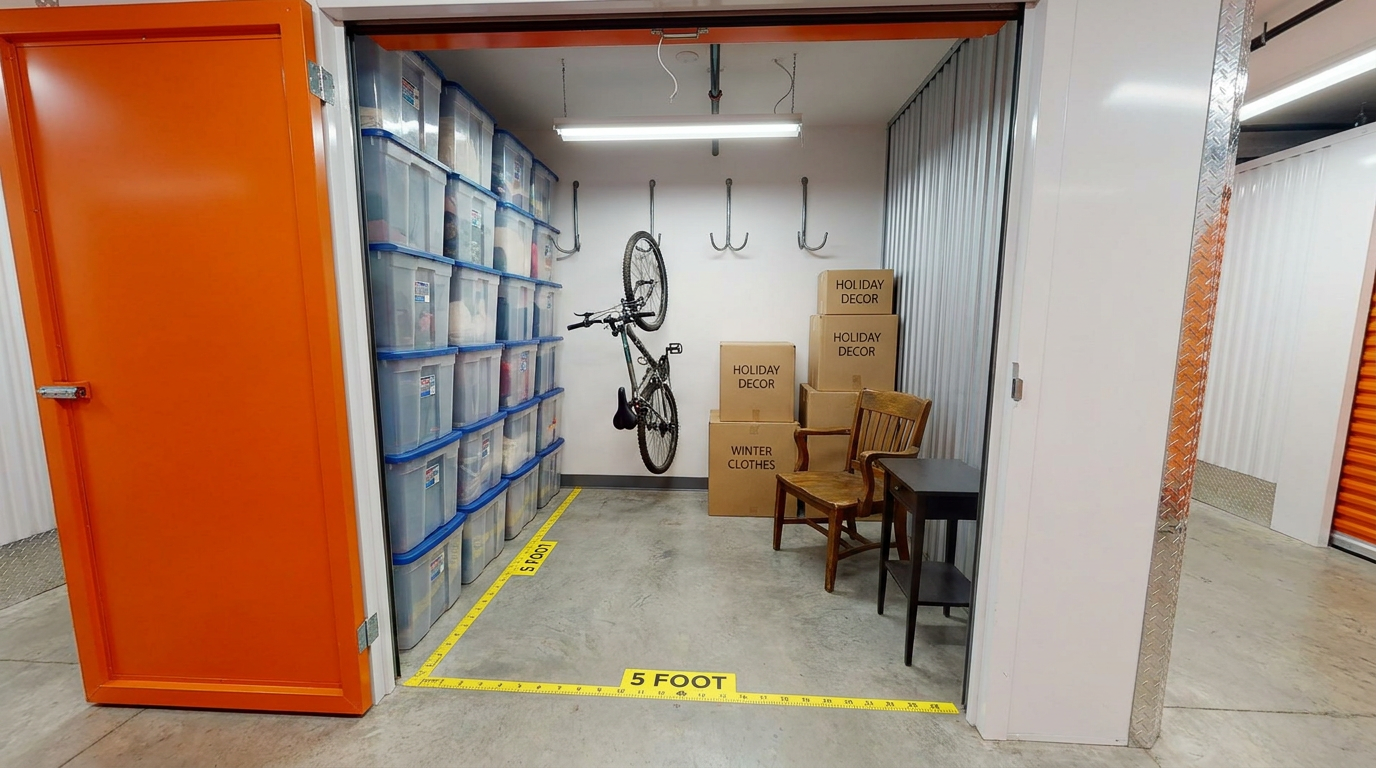
| • | A 10x10 unit (100 sq ft) holds contents of a one-bedroom apartment; 10x20 (200 sq ft) fits a 3-4 bedroom home |
| • | Climate-controlled units cost 25-50% more but prevent $500+ in potential damage to temperature-sensitive items |
| • | Drive-up access saves 30-60 minutes per loading session compared to interior hallway units |
| • | Month-to-month leases offer flexibility; avoid facilities requiring 6-12 month commitments upfront |
Understanding Storage Unit Pricing: What Makes a True Discount
The Self Storage Association reports the average 10x10 unit costs $94.28 per month nationally, according to their 2024 industry data. However, prices vary dramatically by region, with mountain resort areas and urban centers commanding premiums of 40-80% above national averages. A "discount" storage unit should fall 15-25% below your local market rate while maintaining essential security and access features.
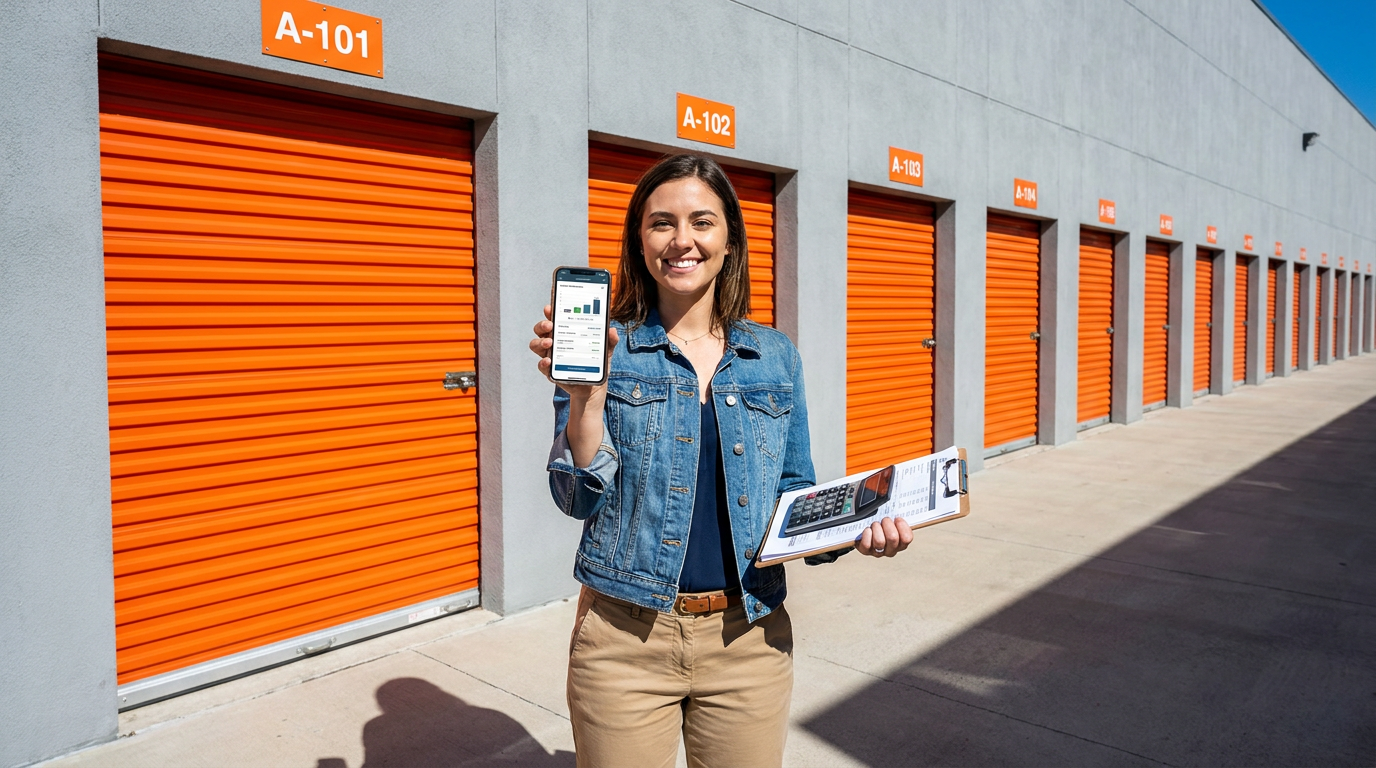
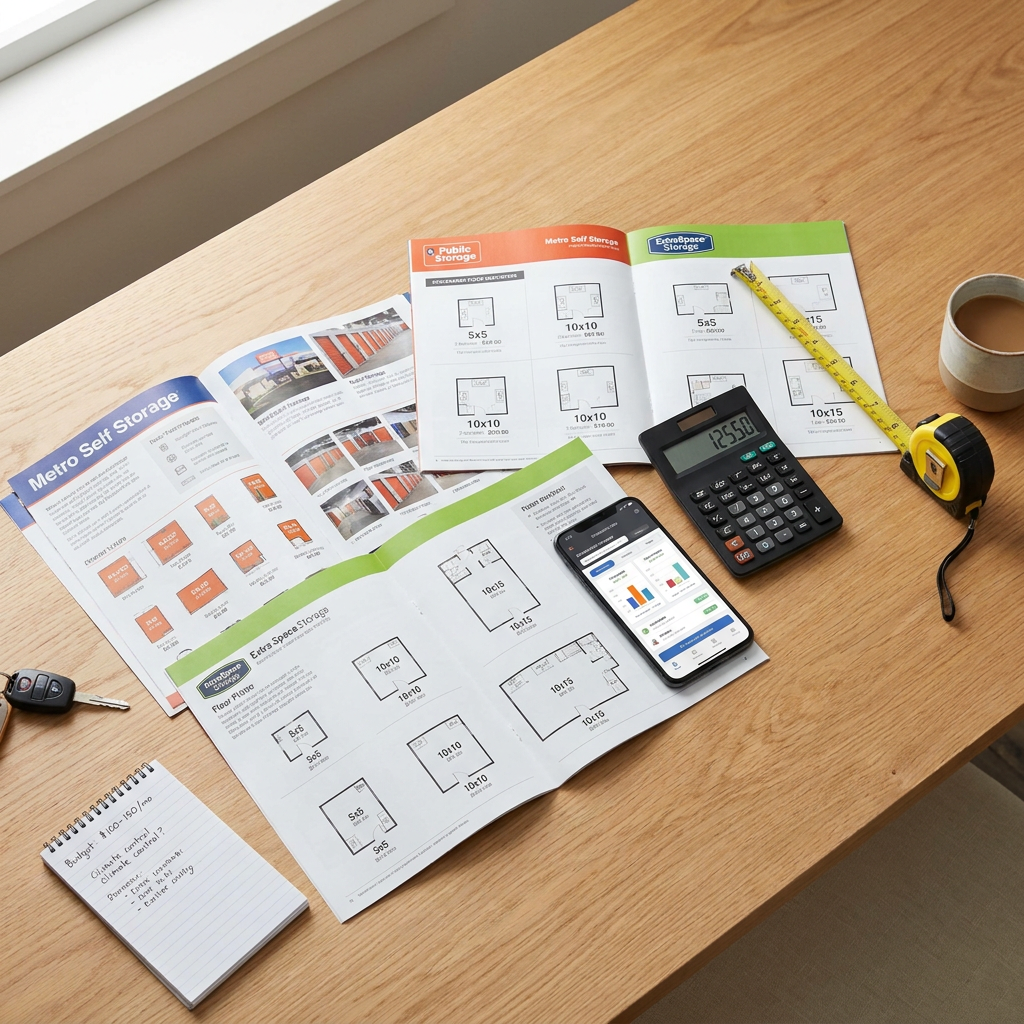
True value assessment requires calculating cost per square foot. Divide the monthly rental price by the unit's square footage. For example, a 5x10 unit at $145 per month equals $2.90 per square foot, while a 10x20 at $275 equals $1.38 per square foot. Larger units typically offer better per-square-foot rates, but only if you need the space.
Watch for hidden costs that inflate advertised prices. Administration fees ($15-35), mandatory insurance ($10-25 monthly), and lock purchases ($12-20) can add 20-30% to your first month's total. Facilities like Discount Self Storage in the Gunnison Valley offer optional tenant protection plans alongside transparent monthly rates, so you can choose the coverage that fits your budget.
Storage Unit Size Guide: Matching Dimensions to Your Needs
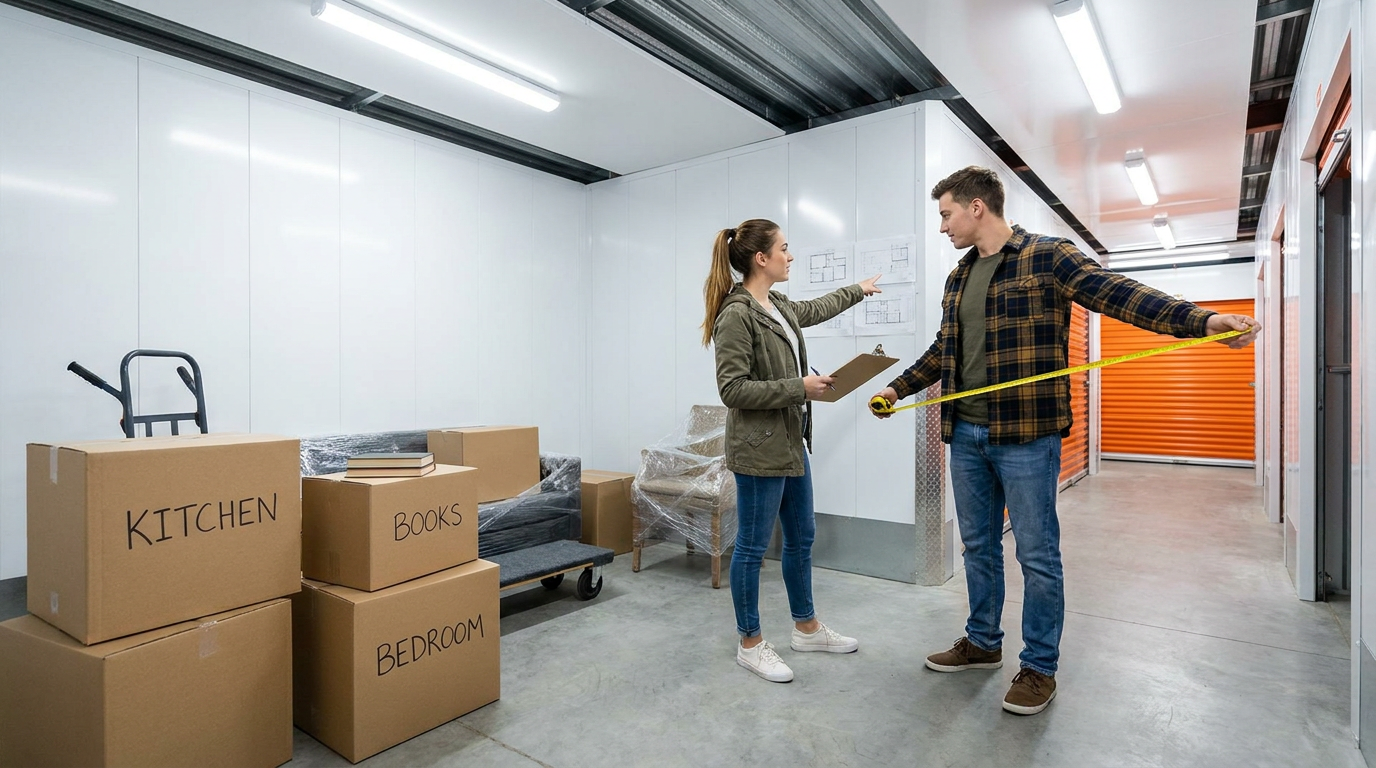
Selecting the correct unit size prevents two costly mistakes: paying for unused space or cramming items into a unit too small for safe access. The International Association of Certified Home Inspectors provides standardized guidelines for estimating storage needs based on room counts and item types.
| Unit Size | Square Feet | Best For | Typical Monthly Cost |
|---|---|---|---|
| 4x5 or 5x5 | 20-25 sq ft | Seasonal items, boxes, small furniture | $79-145 |
| 5x10 | 50 sq ft | Studio apartment, mattress set, 10-15 boxes | $89-185 |
| 10x10 | 100 sq ft | One-bedroom apartment, appliances, furniture | $195-295 |
| 10x20 | 200 sq ft | 3-4 bedroom home, vehicles, business inventory | $275-445 |
| 10x21+ | 210+ sq ft | RVs, boats, large vehicles, commercial use | $95-575 |
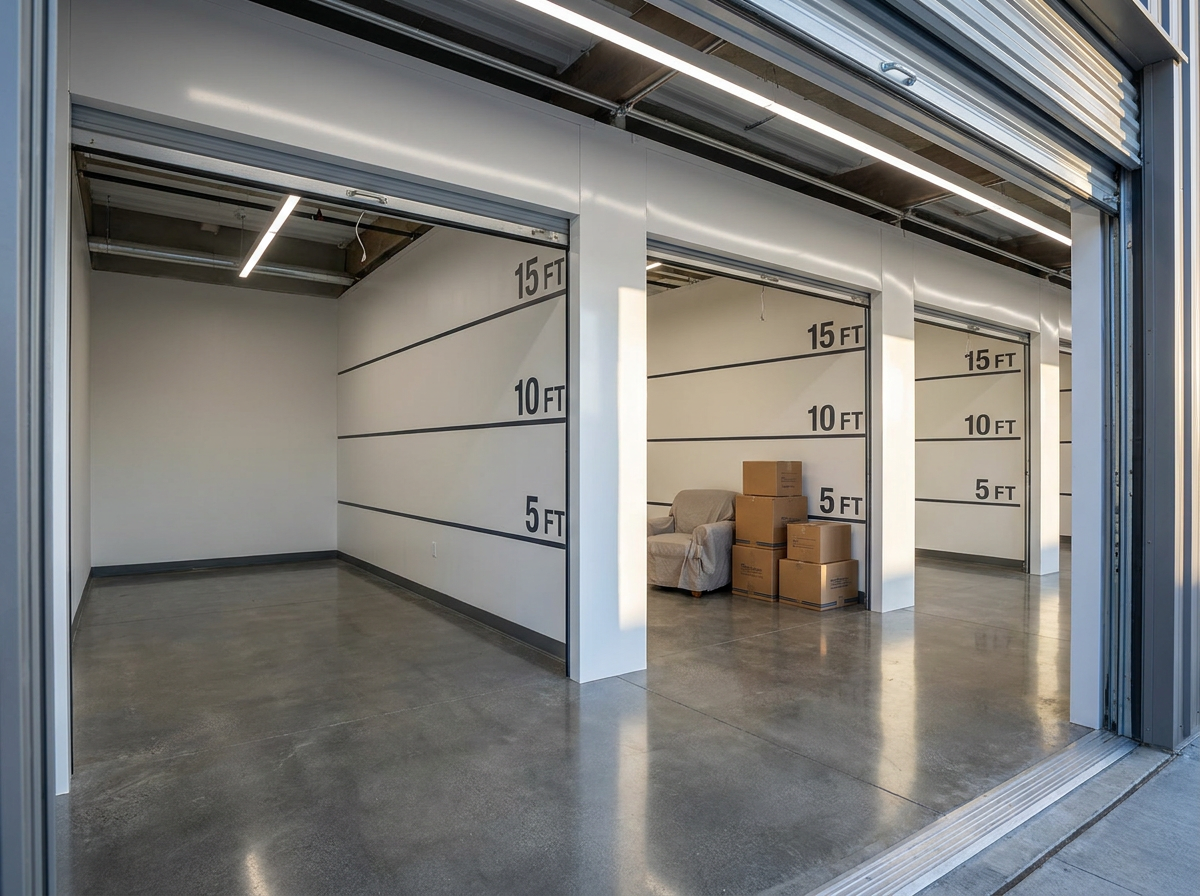
Use our storage unit size guide to calculate your specific needs. A common mistake is underestimating by 20-30%, which forces inefficient stacking and blocks access to items you need. When in doubt, choose one size up; the additional $20-50 monthly cost provides breathing room for organization.
Climate-Controlled vs. Standard Units: When the Premium Pays Off
Climate-controlled storage maintains temperatures between 55-80 degrees Fahrenheit and humidity levels below 55%, according to the U.S. Small Business Administration's storage guidelines. This protection costs 25-50% more than standard units but prevents irreversible damage to temperature-sensitive belongings.
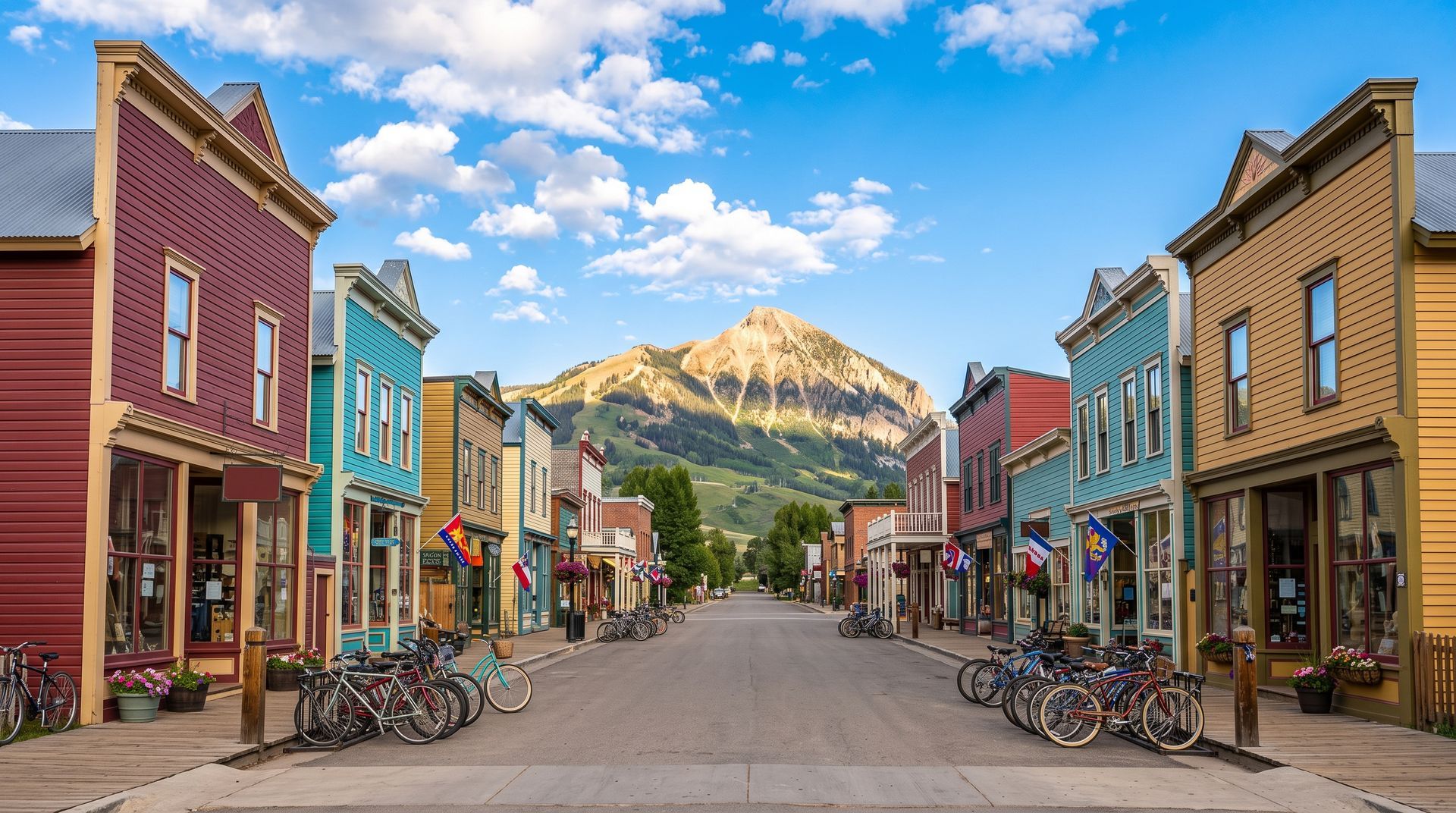
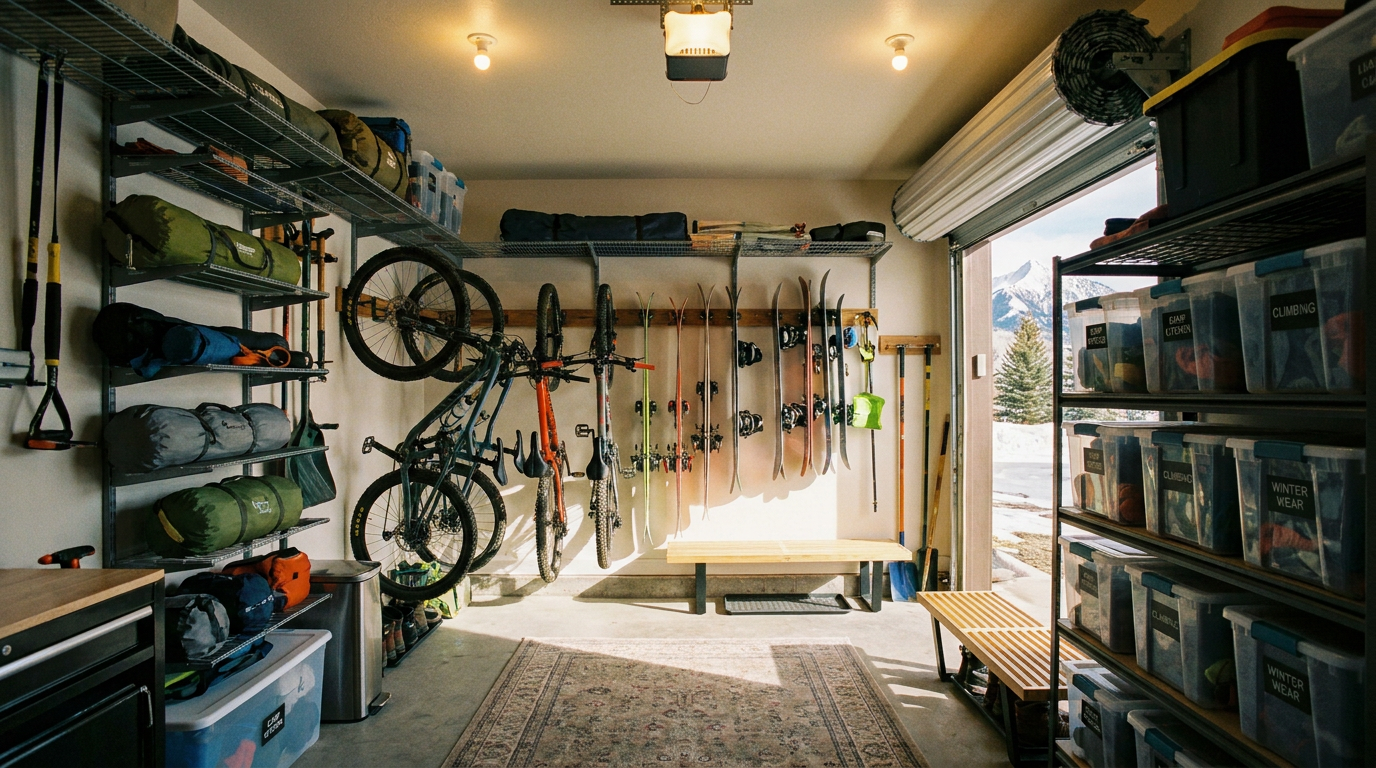
In mountain communities like Crested Butte and Gunnison, Colorado, winter temperatures regularly drop below zero degrees Fahrenheit. Standard storage units in these areas can reach -20 degrees Fahrenheit during January cold snaps. Electronics, wooden furniture, vinyl records, photographs, and leather goods suffer cracking, warping, and moisture damage under these conditions.
Items requiring climate control include: wooden or leather furniture (warping, cracking), electronics and appliances (condensation damage), photographs and documents (humidity deterioration), musical instruments (wood expansion and contraction), wine collections (temperature fluctuation spoilage), and artwork or antiques (irreversible degradation). All units at Slate River Storage are heated, protecting belongings through harsh Colorado winters.
Drive-Up Access vs. Interior Units: Convenience Factors
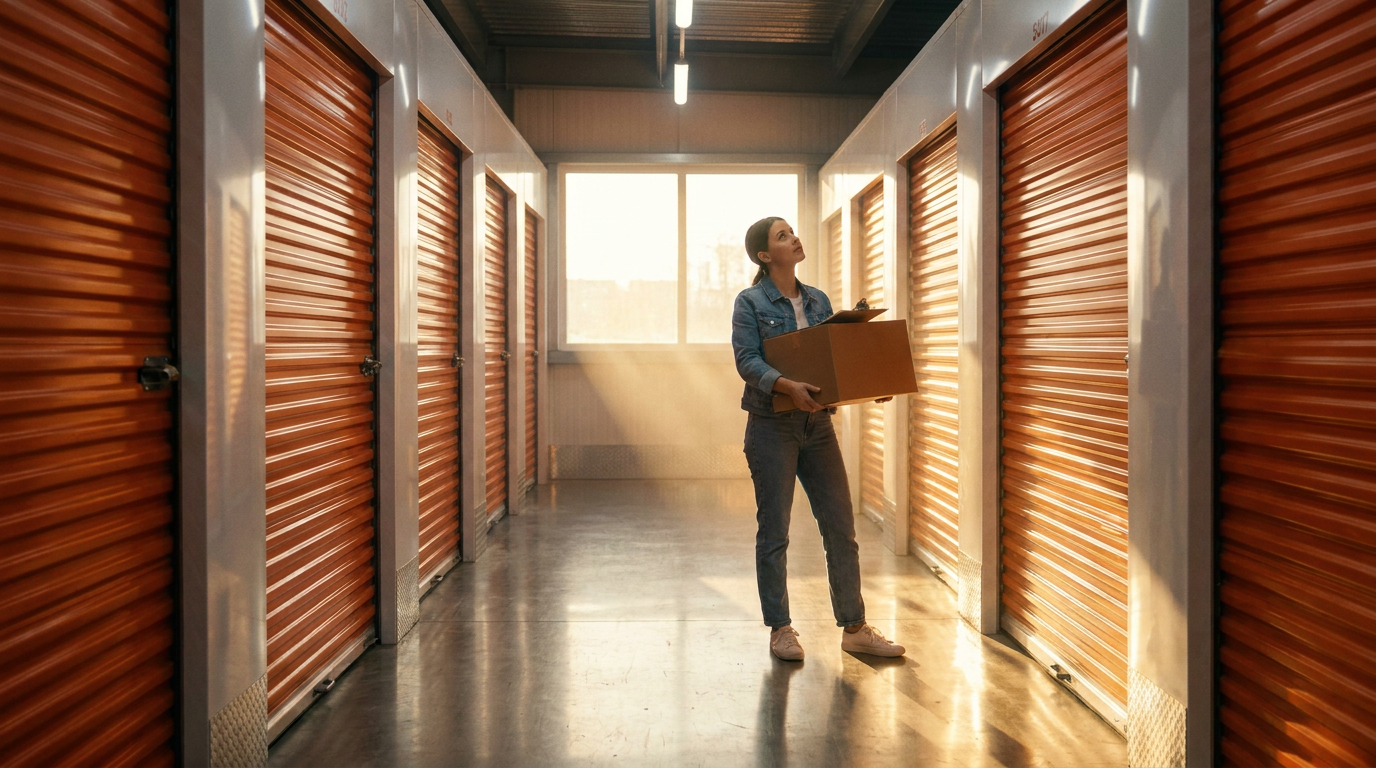
Drive-up storage units allow you to park directly in front of your unit door, eliminating hallway navigation, elevator use, and cart trips. This access type reduces loading time by 30-60 minutes per session and proves essential for heavy items like appliances, furniture, and recreational equipment.
Interior units offer different advantages. Second-floor interior units typically cost 10-20% less than ground-floor drive-up options. They also provide additional protection from weather exposure and potential vehicle-related incidents. For items you access infrequently, such as seasonal decorations or archived documents, interior units deliver adequate value.
Consider your access frequency when choosing. Weekly or bi-weekly visits justify drive-up convenience. Monthly or quarterly access makes interior units cost-effective. In Crested Butte, facilities like Elk Mountain Storage offer both options, with drive-up units featuring daily snow removal during winter months.
Security Features That Protect Your Investment
Storage facility security varies dramatically. The Federal Trade Commission recommends verifying specific security measures before signing any rental agreement, as outlined in their consumer protection guidelines. Minimum acceptable security includes perimeter fencing, electronic gate access with individual codes, and video surveillance covering all unit areas.
Advanced security features worth the premium include: 24-hour digital video surveillance with 30-day recording retention, LED lighting throughout the facility, individual unit alarms, on-site management presence, and monthly pest control treatments. These features typically add $10-25 monthly but prevent losses that insurance may not fully cover.
Verify insurance and protection options before renting. Many facilities offer tenant protection plans covering burglary, fire, water damage, and vandalism. Plans through providers like SafeLease cover losses with $100 deductibles, often waived for burglary claims when proper locks are used. Learn about tenant protection plans to understand coverage limits and exclusions.
Location Considerations: Balancing Price and Convenience
Storage facilities located 15-30 minutes outside urban centers or resort towns typically charge 20-40% less than centrally located options. However, this savings calculation must factor in fuel costs, time value, and access frequency. At current Colorado gas prices of approximately $3.50 per gallon, a 30-mile round trip costs $7-10 in fuel alone.
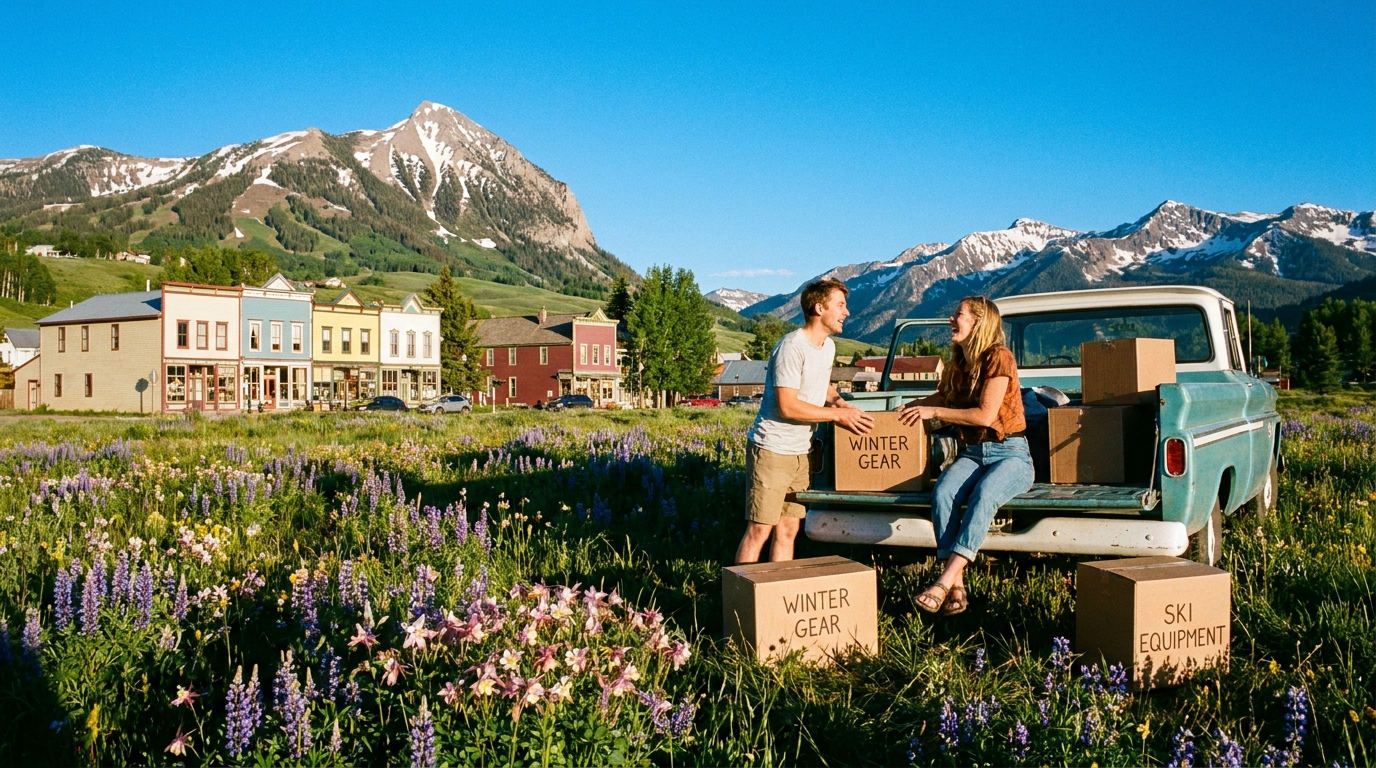
For Gunnison Valley residents, the choice between Gunnison and Crested Butte locations illustrates this tradeoff. Crested Butte facilities eliminate the 30-minute drive to Gunnison, saving 1-2 hours monthly for regular access needs. Second-home owners and seasonal visitors particularly benefit from proximity to their primary activities.
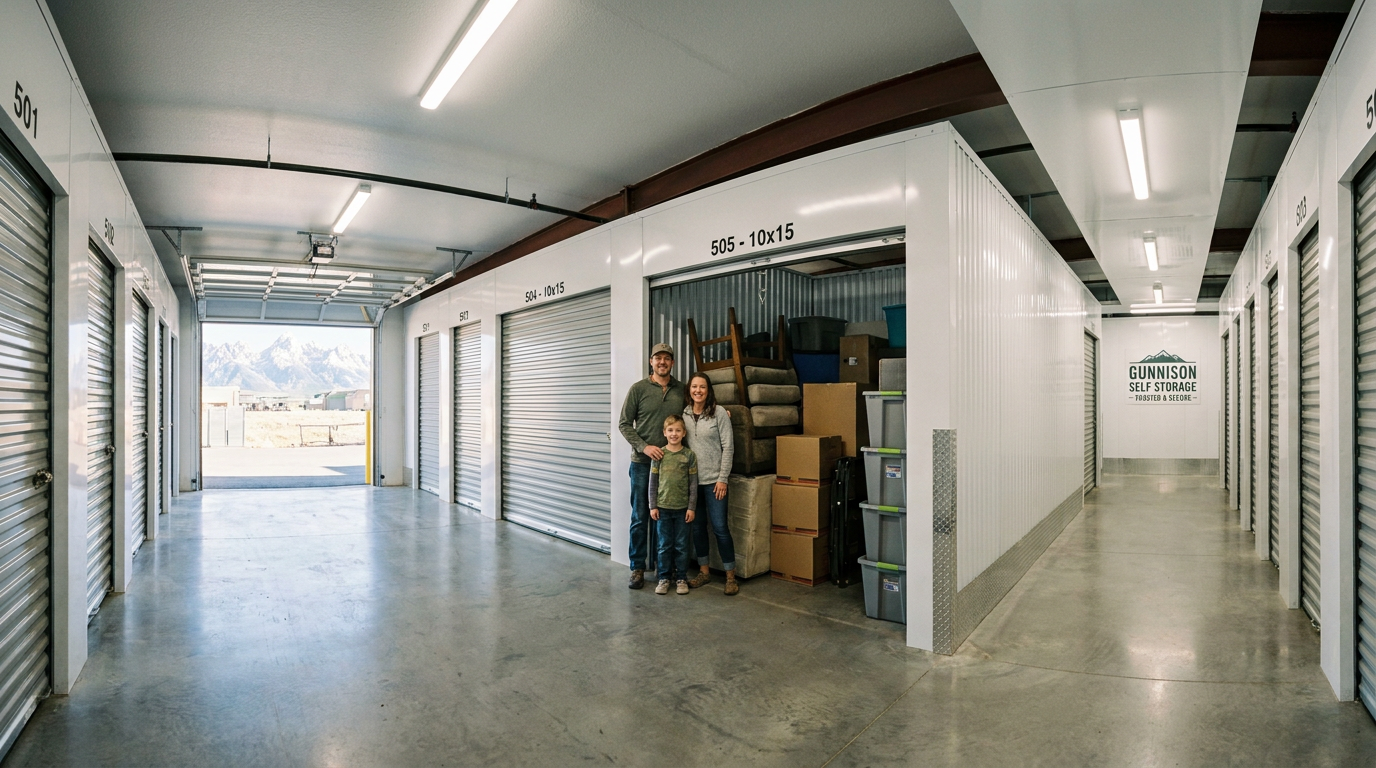
Discount Self Storage operates four facilities across Gunnison and Crested Butte, including locations on Highway 135 North, near the Gunnison airport, on Buckley Drive in Crested Butte, and on Riverland Drive. This network allows renters to choose based on their specific location needs while maintaining consistent pricing and service standards.
Comparing Value: A Decision Framework
Use this five-step framework to evaluate any storage facility:
Step 1: Calculate true monthly cost. Add base rent, mandatory insurance, administration fees, and lock costs. Divide by square footage for comparable pricing.
Step 2: Assess size requirements. Inventory your items, add 20% buffer space, then select the smallest unit that accommodates this total. Consult a storage unit size guide for room-by-room estimates.
Step 3: Determine climate control necessity. If storing electronics, wood furniture, documents, or temperature-sensitive items for more than 3 months, climate control prevents damage exceeding its cost premium.
Step 4: Evaluate access patterns. Weekly access justifies drive-up convenience. Monthly access makes interior units cost-effective. 24-hour access matters for unpredictable schedules.
Step 5: Verify security and protection. Confirm fencing, surveillance, electronic access, and available insurance options. Request documentation of security features.
Special Storage Needs: Vehicles, RVs, and Boats
Vehicle storage requires specific features beyond standard units. The Recreation Vehicle Industry Association reports that RV ownership reached 11.2 million households in 2023, driving demand for oversized storage options. Proper vehicle storage prevents $2,000-10,000 in weather and rodent damage annually.
Essential vehicle storage features include: units sized 10x20 minimum (200 sq ft) for standard vehicles, up to 20x20 (400 sq ft) for oversized vehicles, plus open parking spaces up to 12x50 (600 sq ft) for RVs and boats; ceiling heights of 8 feet or higher for lifted trucks and trailers; wide drive aisles accommodating turning radius; and monthly pest control preventing rodent nesting.
In mountain communities, winter storage protects recreational vehicles from snow load, freeze damage, and road salt corrosion. Facilities offering daily snow removal ensure year-round access. Elk Mountain Storage in downtown Crested Butte provides open parking and oversized drive-up units for boats, ATVs, snowmobiles, and RVs without requiring the drive to Gunnison.
Month-to-Month vs. Long-Term Leases
Month-to-month leases provide flexibility for uncertain timelines, typically costing 5-10% more than annual commitments. For moves, renovations, or seasonal storage needs lasting 3-9 months, this premium delivers significant value through avoided early termination fees.
Long-term lease discounts of 10-15% make sense for storage needs exceeding 12 months. However, verify cancellation terms before committing. Some facilities charge 2-3 months' rent for early termination, negating any discount savings.
Locally owned facilities often provide more flexible terms than national chains. Family-operated storage companies in the Gunnison Valley typically offer month-to-month flexibility with competitive pricing, avoiding the rigid contract structures of corporate competitors.
Questions to Ask Before Renting
Prepare these questions when visiting or calling storage facilities:
Pricing transparency: What is the total first-month cost including all fees? Are there annual rate increases, and if so, what percentage? Is insurance mandatory or optional?
Access details: What are the access hours? Is there a gate code, and how often does it change? Can I authorize others to access my unit?
Security specifics: How long is surveillance footage retained? Are individual units alarmed? What happens if there's a break-in?
Practical considerations: Are carts and dollies available? Is there an elevator for upper-floor units? What's the notice period for moving out?
Find answers to common questions in our self storage FAQ, including access hours, payment options, and rental procedures.
Frequently Asked Questions
How do I find the best discount storage unit near me?
Search for facilities within a 15-mile radius, then compare cost per square foot across 3-5 options. Request total first-month pricing including all fees. Verify security features and access hours match your needs. Locally owned facilities in areas like Gunnison and Crested Butte often provide better value than national chains due to lower overhead costs.
What size storage unit do I need for a one-bedroom apartment?
A 10x10 unit (100 square feet) typically accommodates a one-bedroom apartment's contents, including a bed, dresser, couch, dining set, and 15-20 boxes. If storing appliances like a refrigerator or washer/dryer, consider a 10x15 unit for adequate access space.
Is climate-controlled storage worth the extra cost?
Climate control is worth the 25-50% premium when storing electronics, wooden furniture, leather goods, photographs, documents, musical instruments, or wine for more than 3-6 months. In regions with extreme temperatures, like Colorado mountain towns where winters reach -20 degrees Fahrenheit, climate control prevents damage that would cost more to repair or replace than the storage premium.
What security features should a storage facility have?
Minimum security includes perimeter fencing, electronic gate access with individual codes, and video surveillance. Premium features worth paying for include 24-hour digital recording, LED lighting, individual unit alarms, and on-site management. Always verify tenant protection or insurance options before signing.
Can I store my RV or boat in a storage unit?
Yes, with appropriately sized units. Standard vehicles fit 10x20 units (200 sq ft), while large RVs and boats fit open parking spaces up to 12x50 (600 sq ft). Verify ceiling height for tall vehicles and confirm drive aisle width accommodates your vehicle's turning radius. Facilities in Crested Butte offer oversized vehicle storage without requiring transport to Gunnison.
|